HIBAPRESS – Shafiq Anouri
A few hours after the landing of King Juan Carlos and his wife, Queen Sofia, on November 5, 2007, in the occupied city of Ceuta, an extraordinary session began in the Moroccan House of Representatives, which included a strongly worded speech by the then Prime Minister, Abbas El Fassi, and similar interventions from the heads of parliamentary groups and blocs, before ending with a statement of condemnation.
The session, which began on the afternoon of Monday, November 5, has been almost 19 years old, and it has recorded the details of one of the worst diplomatic crises that erupted between Morocco and Spain, following the visit of King Juan Carlos to the occupied cities of Ceuta and Melilla. Despite the long time that has passed since its convening, the proceedings of the session are still written inside the minutes; which is considered one of the most important documents produced by Parliament. The minutes are not just a document kept in an archive, but rather a true mirror of the state and society, reflecting what concerns citizens, what worries politicians, and what interests and positions are in conflict. In it, you find the names of crises, problems, and challenges; international, diplomatic, political, social, economic, or even health, some of which have passed and expired, or been resolved and ended, and others remained and worsened or remained and were contained.

Thousands of pages of the minutes of the general sessions are written in each legislative session, but they are rarely read. The case is that it goes beyond being just a record, as it documents the transformations of public opinion, how vital laws were delayed for years, the way society's pressures triumphed in moments that no one remembers, and the mechanisms with which the state faced its internal and external crises, sometimes firmly and strongly, and flexibly in others. In this file, we approach the minutes of the general sessions as raw materials for history, not as bureaucratic tools, reviewing some of what they contain of stories, conflicts, and transformations, while touching on the opinions of experts in them, with the aim of calling for a different reading of Parliament, not through the text that it issues in the end, but through the long and complex dialogue that preceded it, which is the closest dialogue in expressing the state's position and the pulse of society.

Parliament.. The memory of the state
In addition to its role in enacting laws, the legislative institution is considered a social registration device that works continuously, even when it does not intend to do so, as the discussion of the problems of the health or educational system, and touching on the problems of roads in the Rif and Atlas mountains, is at the same time a history of a particular stage, which enables one to follow the extent of the development of society and the state over time. A parliamentary question (a deputy or advisor) about the malfunction of devices at the regional hospital in Tetouan, or the absence of doctors at the proximity hospital in Tarjist, or about the interruption of drinking water in the neighborhoods of the city of Tiflet, or about the increase in the rate of school dropout in the villages of the Draa-Tafilalt region, is not only included within the exercise of control, but it also records the event with its date, place, and context, and preserves for future generations a living picture of the problems of the state and society at that time. The repetition of the question, after years, on the lips of the same parliamentarian or another parliamentarian from the same region, does not only turn into evidence of the continuation of the deficit, but also into a historical document that reveals the depth and root of the crisis. And when the question develops from demanding a proximity hospital to calling for the provision of medical devices or health cadres, this reflects the shift of the problem from the absence of infrastructure to the disruption of employment and service conditions. Thus, the parliamentary archive becomes a mirror of the state's entire path, and a raw material indispensable for every researcher in the political and social history of Morocco. In this context, Abdel Rahim Al-Manar Islimi, professor of constitutional law and political science at the Faculty of Legal, Economic, and Social Sciences in Agdal, Rabat, says that "the archive is the memory of parliaments, as the Moroccan parliament has experienced many stations, and the archive that researchers and historians work on enables us to understand the political conflict in the country," explaining that returning to the "parliamentary archive, helps us to understand how the parliamentarian works, and how he performs the political representation process for citizens." Islimi presented in a statement to the "HIBAPRESS" newspaper an example of "the seventies, eighties, and the beginning of the nineties, which were very rich as there was a conflict between the opposition and the majority, the opposition and the government in particular", during the era of "national parties, and I mean here in particular the Socialist Union of Popular Forces Party", adding "we can go back in history and read and analyze the interventions of Ali Yata; the Party of Progress and Socialism, and Mohamed Ben Said Aït Yeder; the organization of labor, and Fathallah Oualalou, and Mohamed Yazghi."

Islimi pointed out that returning to these interventions enables "reading the politician in Morocco, and the parliamentarian at the time, in addition to reading the political situation in the country at that time, and how agreements were built," adding that "this historical aspect highlights the scientific value" of the parliamentary archive for researchers. Also, according to the same university professor, there is "a documentation aspect, because Parliament is a memory, and parliaments in the world are the memory of the state." Islimi added in his statement to "HIBAPRESS" that the British Parliament, for example, includes within it a space with "the clothes that parliamentarians wore in the past, and the traditions that are still present at the level of clothing", stressing that "there are also museums in some parliaments of the countries of the world, and this is what should be in Morocco, in order to preserve the parliamentary memory."

What do the minutes of the general sessions store?
The text of the minutes of the general sessions in the two houses of representatives and advisors includes the date of the session, its president, the time it started, in addition to its duration, its agenda, in addition to what all the interveners said, from the session chairman, deputies, or advisors, in addition to the responses of the head of government (the former prime minister) or ministers. In this regard, we return to the minutes of the session of the House of Representatives held on November 5, 2007, which is available on the official portal of the House of Representatives, which was chaired by Mustafa Al-Mansouri, the then Speaker of the House of Representatives, and included interventions by the heads of the parliamentary groups and blocs regarding the repercussions of the visit of the Spanish monarch to the cities of Ceuta and Melilla.

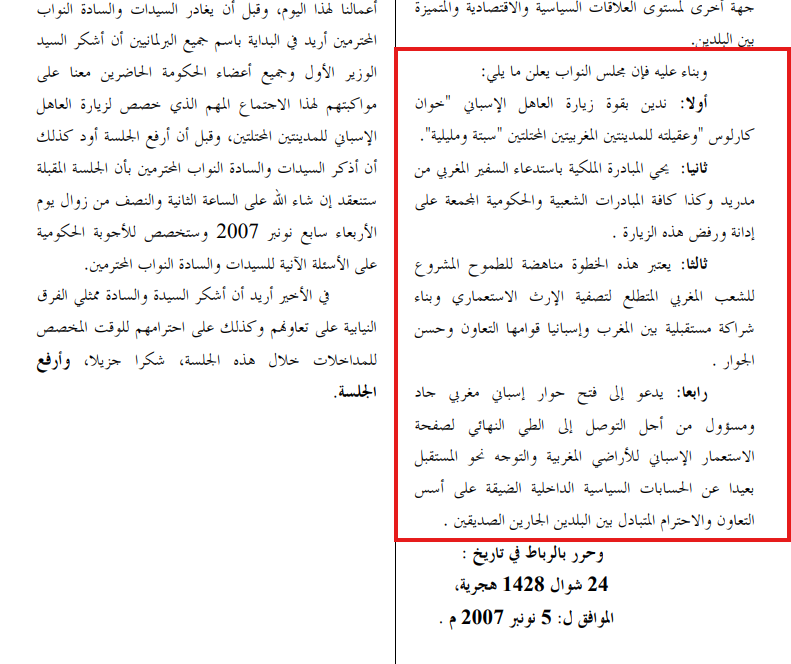
After the opening of the session, which lasted two hours, starting at 4:45 pm, Abbas El Fassi, the then Prime Minister, reviewed Morocco's position on the cities of Ceuta and Melilla, and the repercussions of King Juan Carlos's visit to these two outposts, which he described as "rejected, inappropriate, and provocative to the feelings of the entire Moroccan people, and which will not change anything from the reality that embodies the historical, geographical, and legal affiliation of the two cities and the Mediterranean islands of Morocco, and in our country's fixed, legitimate, and non-disposable right to restore these lands." After that, the heads of the parliamentary groups and blocs began to discuss the issue, starting with Latifa Bennani Smiers, the head of the Istiqlal Group for Unity and Equality, and passing through Mustafa Ramid, the head of the Justice and Development Party, then Said Amskan, the head of the Haraki group, and Abdelaziz Al-Hafidi Al-Alawi, the head of the National Rally of Independents group, and Ahmed Zaidi, the head of the Socialist group, and Najib Al-Wazzani, the head of the Authenticity and Modernity group, and Al-Chawi Belsal, the head of the Constitutional group, and Mohamed Benatia, from the group of the Democratic Progressive Forces alliance, and Al-Mukhtar Al-Rashidi, from the Democratic Left group, and concluding with Mustafa Ait Benali, from the Labor Party group.
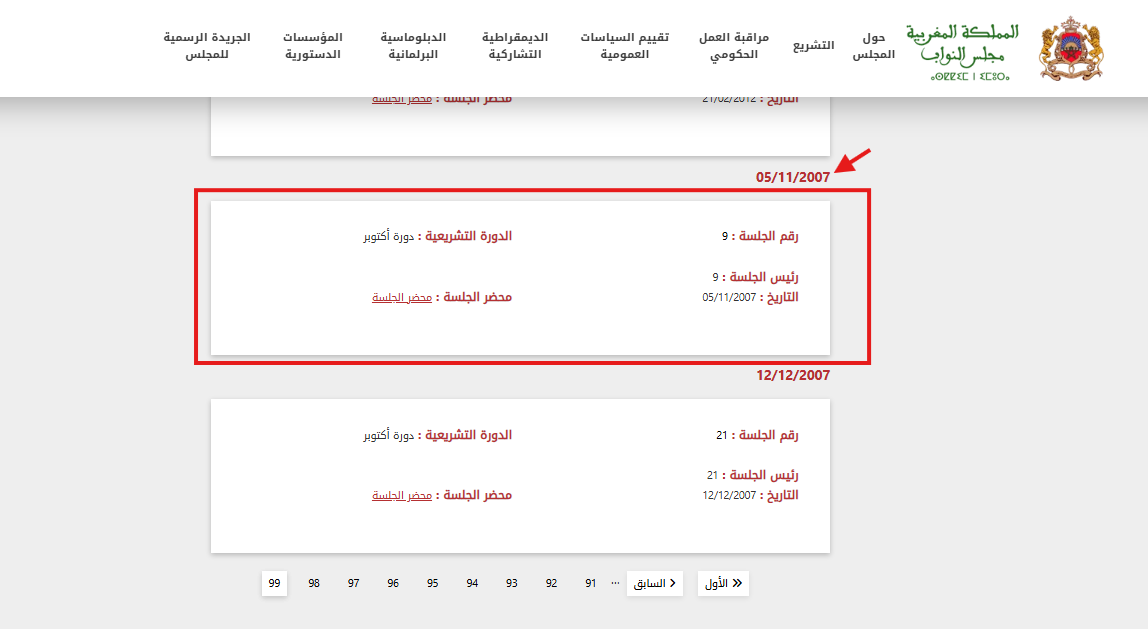
The general session concluded with a speech by Shafiq Rachadi, the Secretary of the Council, before ending with a statement by the House of Representatives, on "the reactions to the provocative step" represented by the visit of the Spanish monarch to Ceuta and Melilla, in which it "strongly" condemned this "provocative" visit, and praised "the king's summoning of the Moroccan ambassador in Madrid, and all the popular and governmental initiatives rejecting this step." He also considered that this step was contrary to the legitimate aspiration of the Moroccan people looking forward to liquidating the colonial legacy and building a future partnership between Morocco and Spain, based on "cooperation and good neighborliness", calling for "opening a serious and responsible Spanish-Moroccan dialogue in order to reach the final end of the Spanish colonization of the Moroccan territories and heading towards the future away from narrow internal political calculations on the basis of cooperation and mutual respect between the two friendly neighboring countries." In this context, Meryem Iblil, a researcher in constitutional law and political science, and the author of the book "The Open Parliament," confirmed that "the minutes of the general sessions are the most important documentation tools within Parliament, because they not only preserve the course of legislative and supervisory discussions, but also document a part of the political and constitutional memory of Morocco," explaining that the minutes of the general sessions "form an official archive that can be used to follow the positions of political actors, the development of public discussion, and the making of legislative decisions over time."
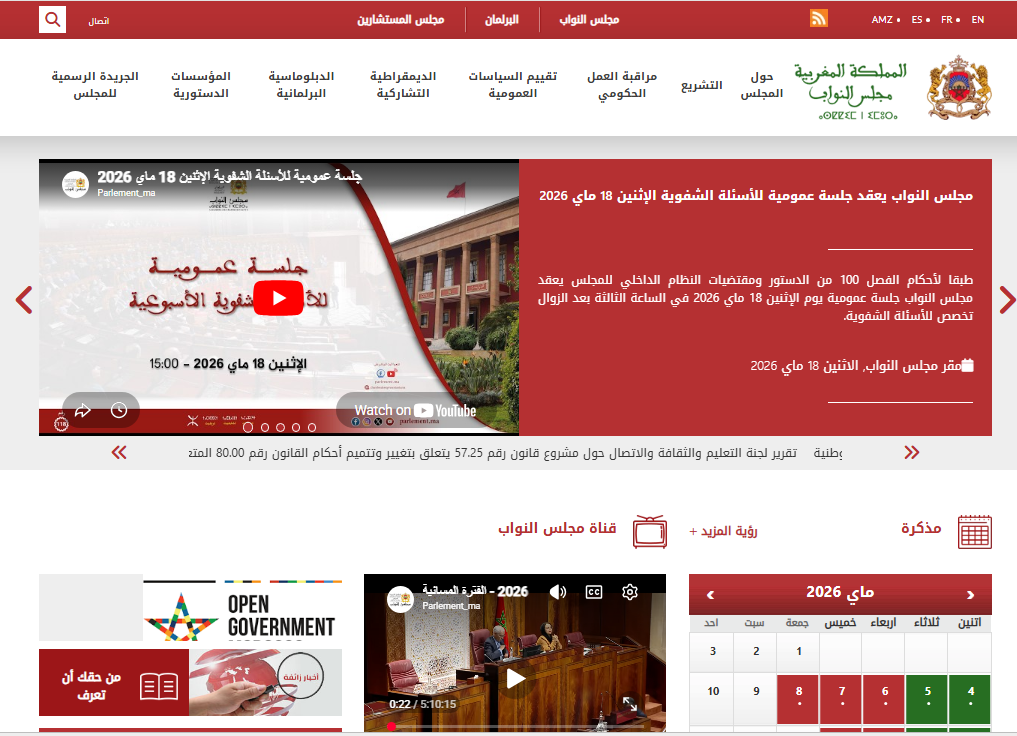
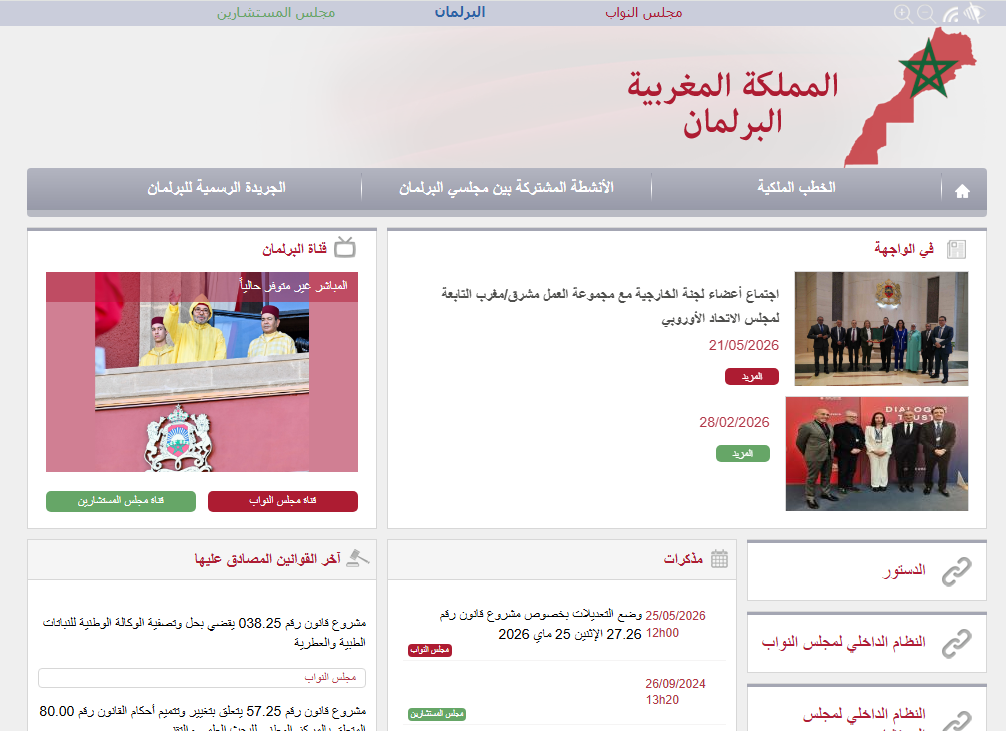
Iblil confirmed in a statement to "HIBAPRESS" that the challenge today "is not only in preserving the minutes, but also in how to make parliamentary information available quickly and openly, and according to pre-emptive publication standards. Here, the importance of digitization and the websites of parliamentary institutions becomes clear," explaining that "the House of Representatives took an important step after renewing its website in 2020 in a way that is consistent with a number of standards of the Inter-Parliamentary Union related to the digital parliament, while the website of the House of Councilors still needs more development." The researcher in constitutional law and political science highlighted that "parliamentary documentation is no longer limited to the written document, but also includes audio-visual archiving, which raises questions related to the parliamentary channel and the parliament's ability to produce modern and simplified content that brings the parliamentary institution closer to citizens, and provides an audio-visual archive," stressing, on the other hand, that "the issue of standing committees remains open for discussion, especially with regard to the balance between the confidentiality of the committees' work and the right of citizens to access parliamentary information."
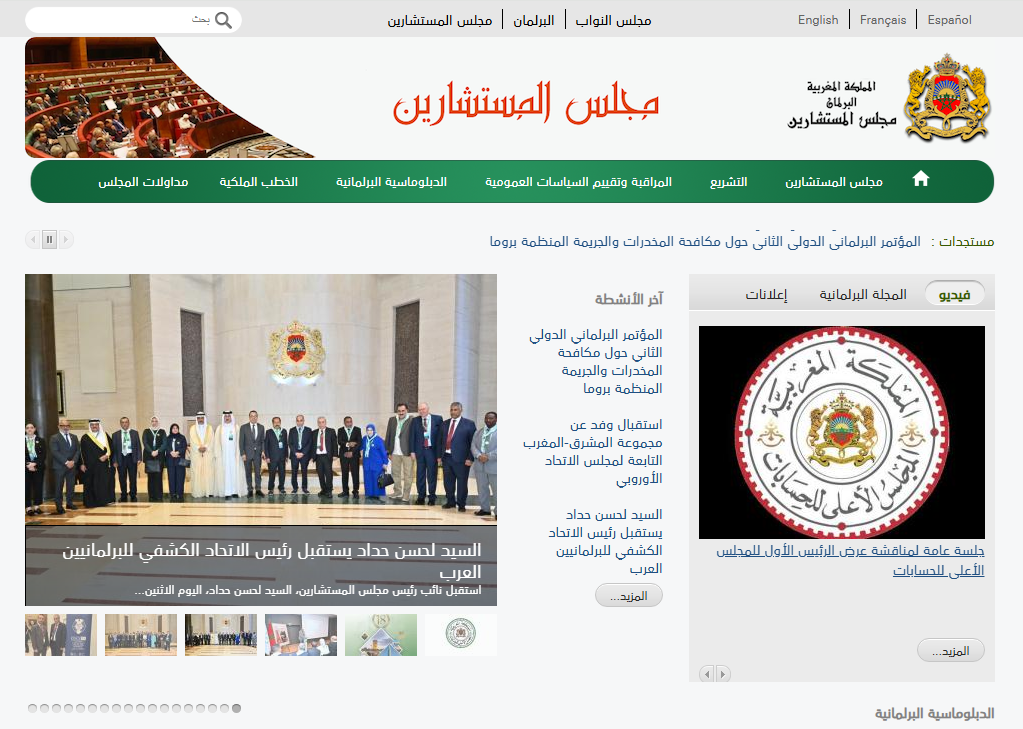
The researcher in constitutional law and political science highlighted that "parliamentary documentation is no longer limited to the written document, but also includes audio-visual archiving, which raises questions related to the parliamentary channel and the parliament's ability to produce modern and simplified content that brings the parliamentary institution closer to citizens, and provides an audio-visual archive," stressing, on the other hand, that "the issue of standing committees remains open for discussion, especially with regard to the balance between the confidentiality of the committees' work and the right of citizens to access parliamentary information."
Minutes of the general sessions.. Historical document and research tool
In addition to the fact that the minutes are a compilation of interventions, it also chronicles that stage at the same time, and reviews the details of one of the biggest crises between Morocco and Spain, and it is a scientific document for every researcher or academic who seeks to know what happened during that period, but the problem raised in this regard is the absence of a complete digital archive of the minutes of the general sessions of the House of Representatives since its establishment, as the most that can be reached on the website is the aforementioned session minutes dated November 5, 2007.
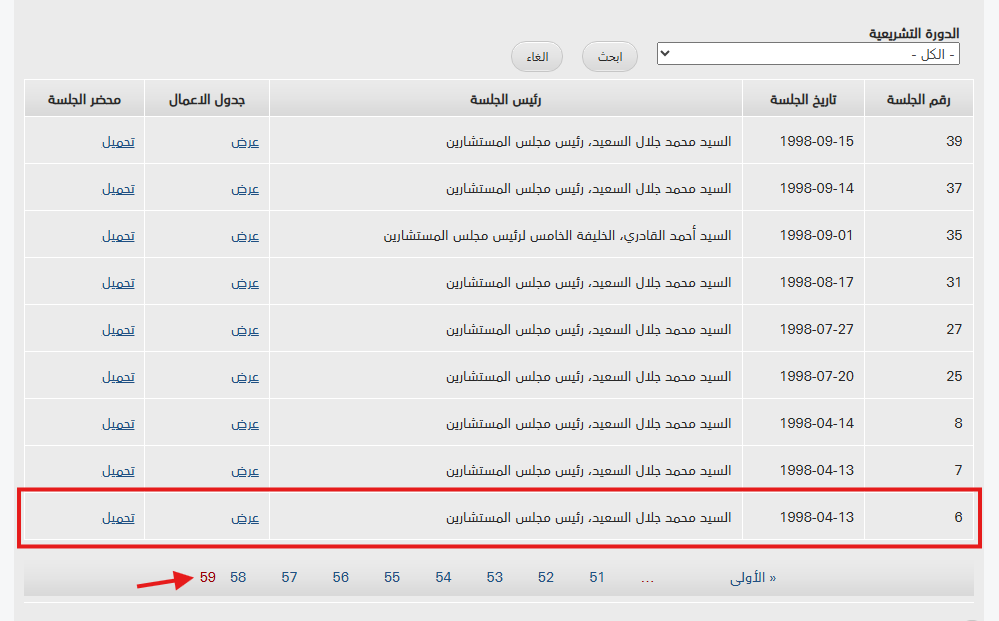
Unlike the House of Representatives, it is possible to return in the digital archive of the minutes of the general sessions of the House of Councilors to its first sessions (with few exceptions) after the "second founding" (following the constitution of October 7, 1996), including the 13th session held on May 5, 1998, which was chaired by Mohamed Jalal Al-Said, the Speaker of the House of Councilors, and lasted for two hours, starting at a quarter past three in the afternoon, and its agenda was "oral questions".
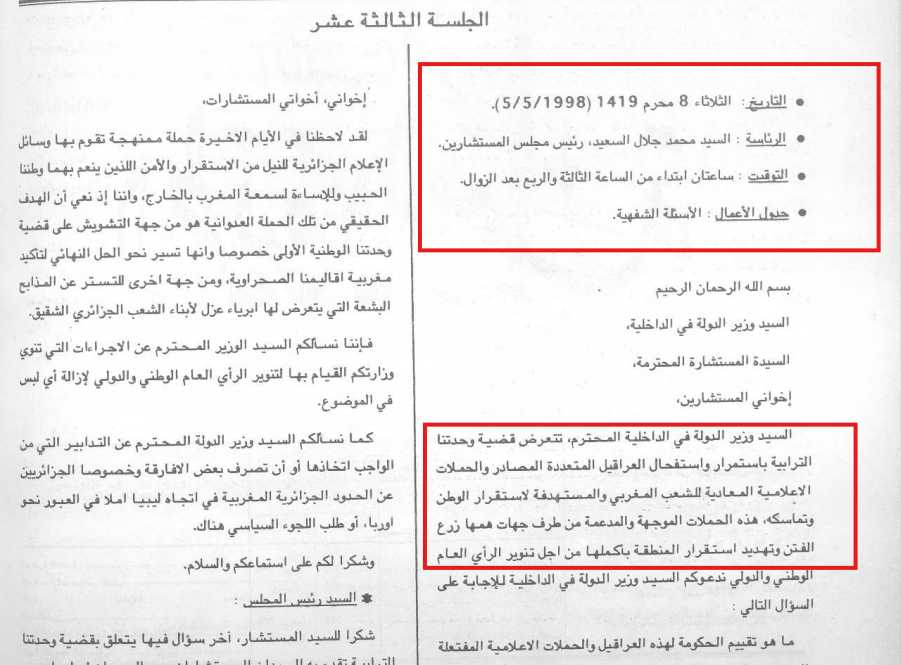
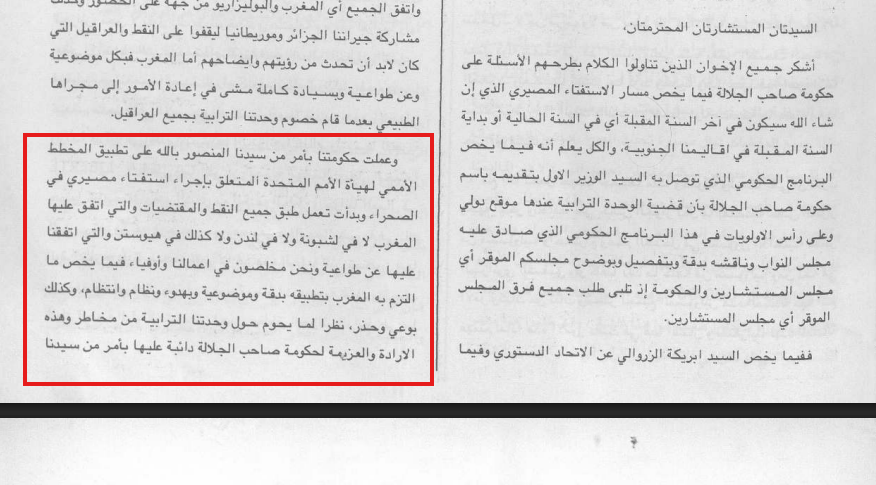
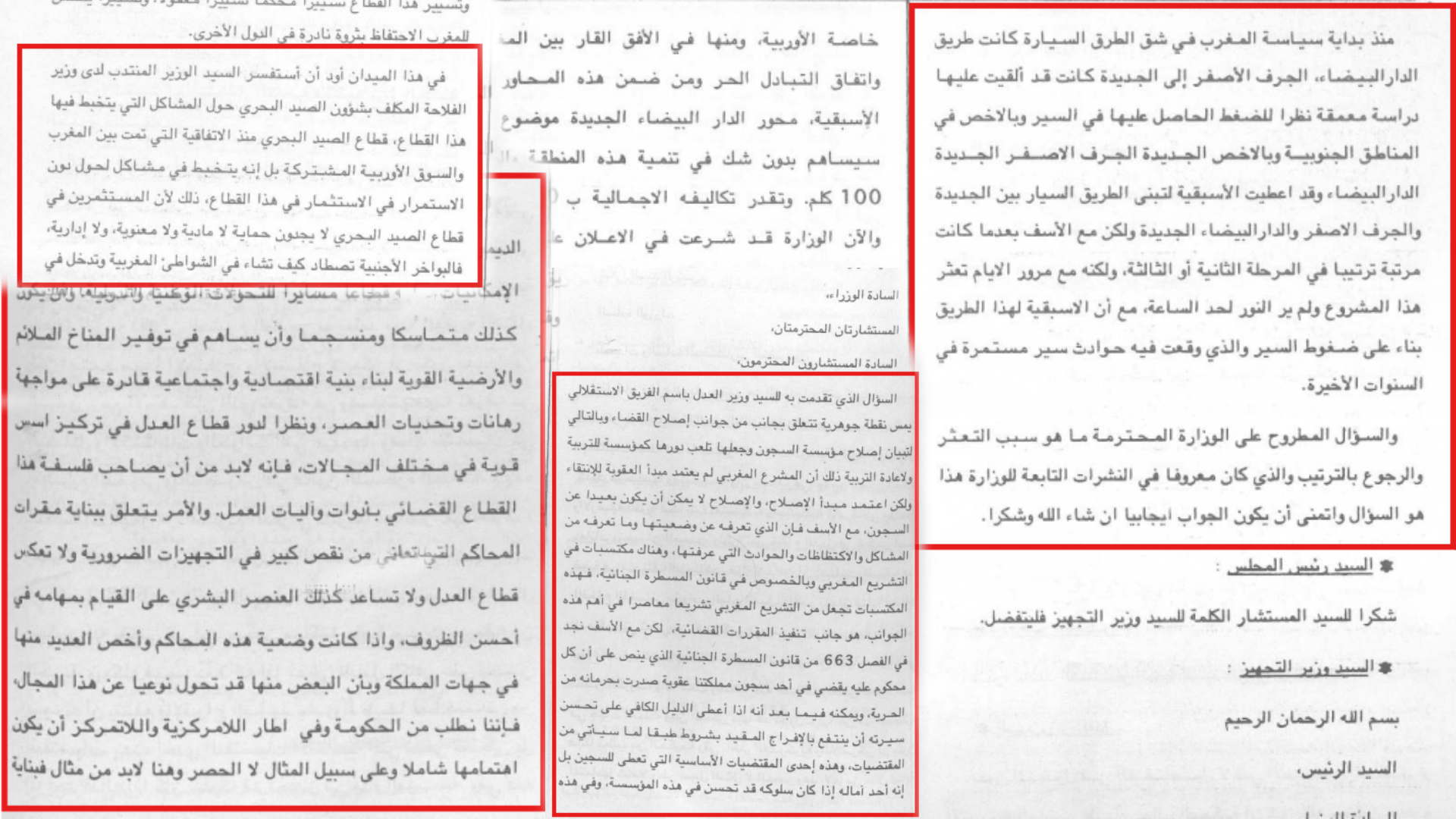
The first questions in the session focused on the issue of "territorial unity and the escalation of multi-source obstacles and hostile media campaigns", where the advisors discussed the "systematic campaign" launched by the Algerian media to "undermine the stability and security enjoyed by our beloved country and to insult Morocco's reputation abroad", before Idris Basri, the Minister of State in the Interior at the time, made a speech on the subject at the end of the discussion, in which he spoke about the reasons for the campaign, in addition to the practical steps taken by Morocco to resolve the conflict, through "the application of the United Nations plan for the United Nations Commission on a fateful referendum in the Sahara." Basri reviewed the developments in the identification process to register the voting list, which he said that the number of people from the Moroccan Sahara had reached 100,000 at the time, but Morocco was asked for something that contravened the United Nations agreement and what was clarified in Houston, which was rejected by the late King Hassan II at the time in a firm response addressed to the Secretary-General of the United Nations on March 22, 1998, according to the Moroccan government official's speech.
The subsequent questions during the session revolved around some problems of fishing, and demands for the reform of the prison institution, to transform it into an educational institution, in addition to reforming the situation of the prisons as a whole, the problems of the buildings of the court headquarters, and the reasons for the failure of the Casablanca-Jorf Lasfar-El Jadida highway project. The minutes also included the ministers' responses and the advisors' comments. The minutes of this general session recorded the most important problems that occupied the minds of national public opinion during the beginning of May 1998, starting with the issue of Morocco's territorial unity, which the minutes review the last days of the referendum proposal to resolve the conflict, before the impossibility of its application became apparent due to the fundamental differences over the electoral body, in addition to the daily problems of Moroccans; such as highways and the structures of court headquarters, and the challenges facing major economic sectors such as the fishing sector.
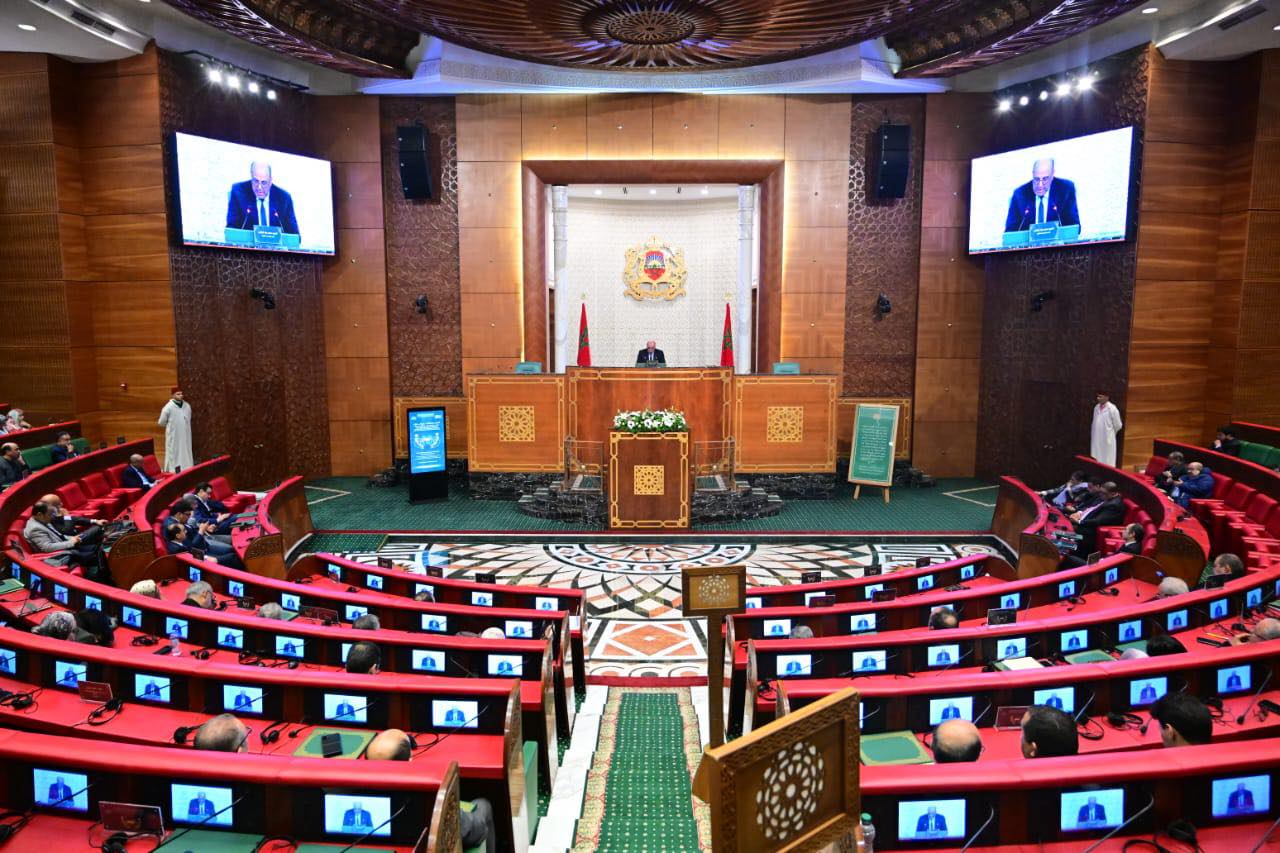
Within this context, Abdel Rahim Al-Manar Islimi stressed the scientific importance of the minutes of the general sessions of the House of Representatives and the House of Councilors, demanding that researchers "work on them, because they enable the reading of the political history of Morocco, and they are a material for any research," pointing out that "research requires raw materials, because writing about Parliament does not depend on the void," and it is necessary that there is material for research. The same expert in constitutional law and political science also pointed out, in his statement, that writing about parliaments is also possible "through discussions and electoral disputes before the constitutional chamber or the constitutional council at one of the stages", and "it is possible to write about the Moroccan parliamentarian and parliament." Islimi stressed in a related context the importance of "the architectural design of the parliament building as well, highlighting that "Parliament must retain the design of the building itself, and suffice with changes within the same design," pointing out that "some anthropological studies have even touched on the colors inside Parliament."
Minutes of the general session and the limits of documentation
Despite the discussions recorded by the minutes of the aforementioned session, much of what is said during the general session, whether in the House of Representatives or the House of Councilors, does not find its way to this document, and that is for several reasons framed by the internal regulations of each chamber, and limited by the framework of "what falls within the work", not "what happens outside it". In this context, Mohamed Sabari, the parliamentarian from the Authenticity and Modernity Party, who holds the position of First Deputy Speaker of the House of Representatives, said that the minutes of the general sessions "are framed by the provisions of the internal regulations of the House of Representatives, especially articles 164, 165, and 166 related to taking the floor and controlling the session, and articles 170 to 174 related to voting, and then article 176, which explicitly stipulates the preparation of the minutes of the discussions of the general sessions under the supervision of the secretaries of the council, with the assistance of modern technologies and audio-visual means."
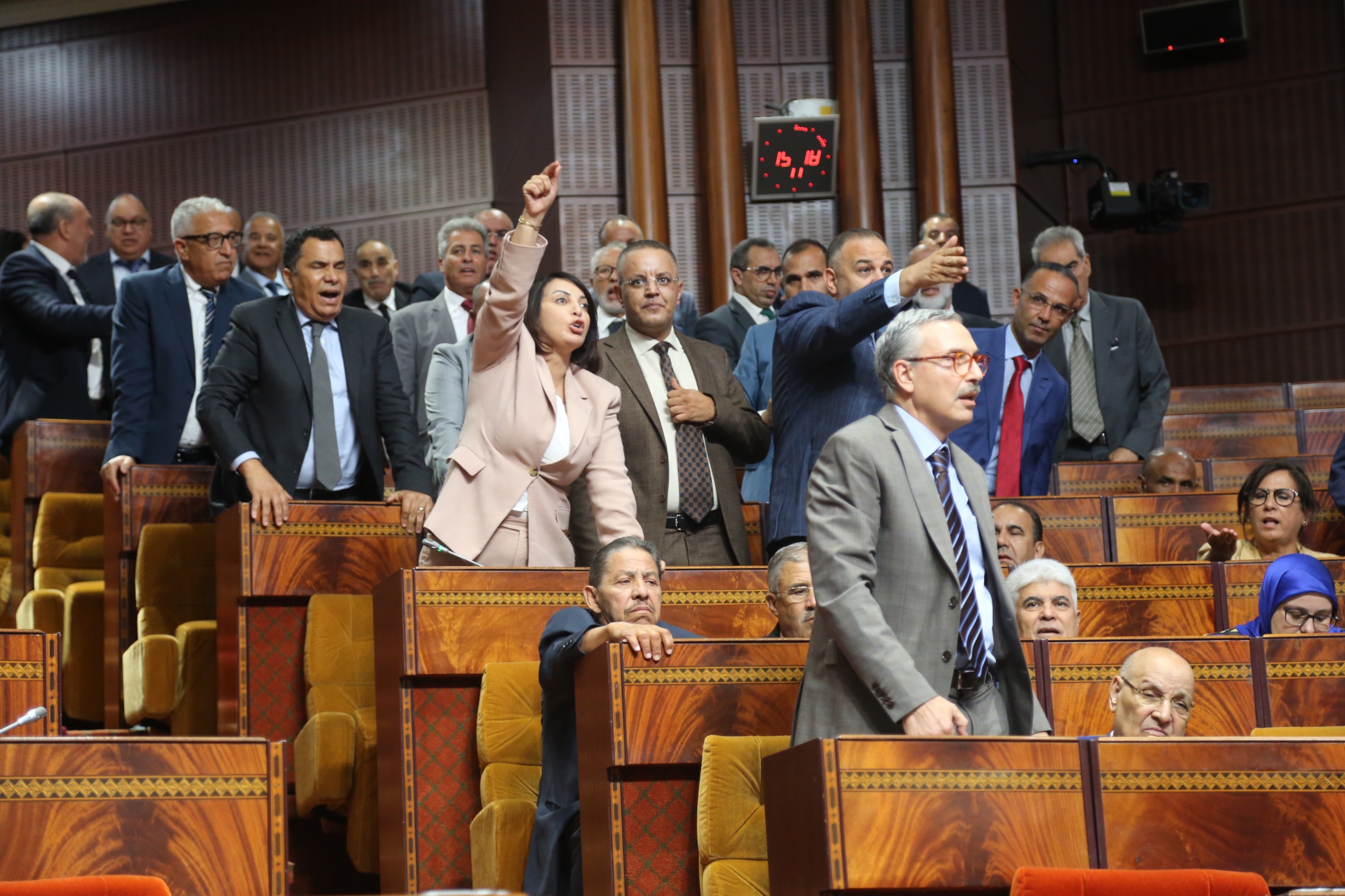
Regarding the Moroccan parliamentary experience, Sabari explains, in a statement to "HIBAPRESS", that "the standard adopted in this regard should not be with political backgrounds as much as it should be based on distinguishing between what falls within the regular work of the session and what happens outside it." He explained that "every intervention that was made within the framework of the word that was authorized and within respect for the topic and the time limit set under the supervision of the presidency, there is no doubt that it falls within the work that is subject to recording and documentation, and as for the random interruptions, or the unauthorized speech, or the one that is out of topic, or the cases that require the president's intervention to control the session in accordance with Article 165, I think that they do not necessarily acquire the same documentary nature within the official minutes." He continued that "the parliamentary practice in our country, as in various democracies, is negatively and positively affected by the general political climate, and by the level of party framing and the prevailing institutional culture within the legislative institution, and for this we find that the texts alone are not enough, but that the quality of practice also remains linked to the extent to which political actors respect the customs of parliamentary work and its spirit."
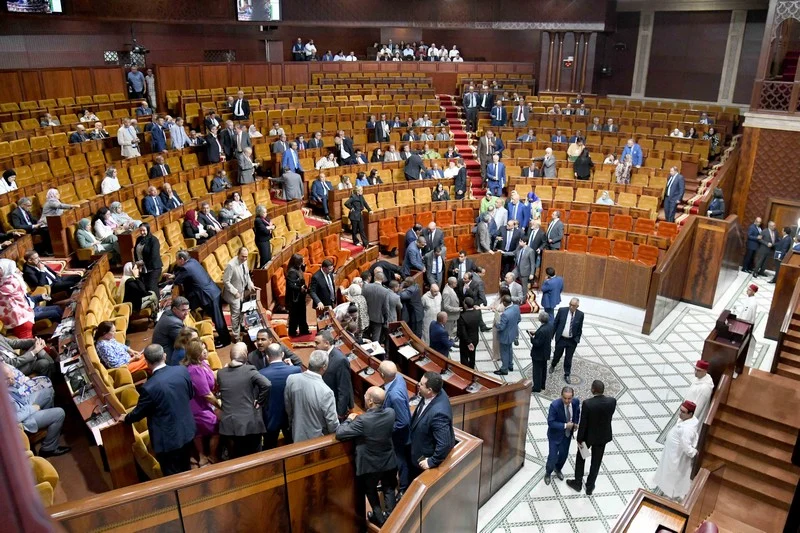
Sabari mentioned that the parliamentary practice, in his estimation, "is mainly based on accumulation and continuous development, and the internal regulations themselves remain an open institutional workshop that can, at each stage, address some aspects of deficiency or ambiguity in it through new provisions whenever the practical reasons for that appear." He concluded that "the Moroccan Parliament has accumulated, in recent years, an important experience with the benefit of a number of best practices used in comparative parliamentary democracies, but always in a way that is consistent with the constitutional, political, and institutional specificity of Morocco, and not with the logic of the literal transfer of foreign experiences."
Digitization of parliamentary work.. Continuous development
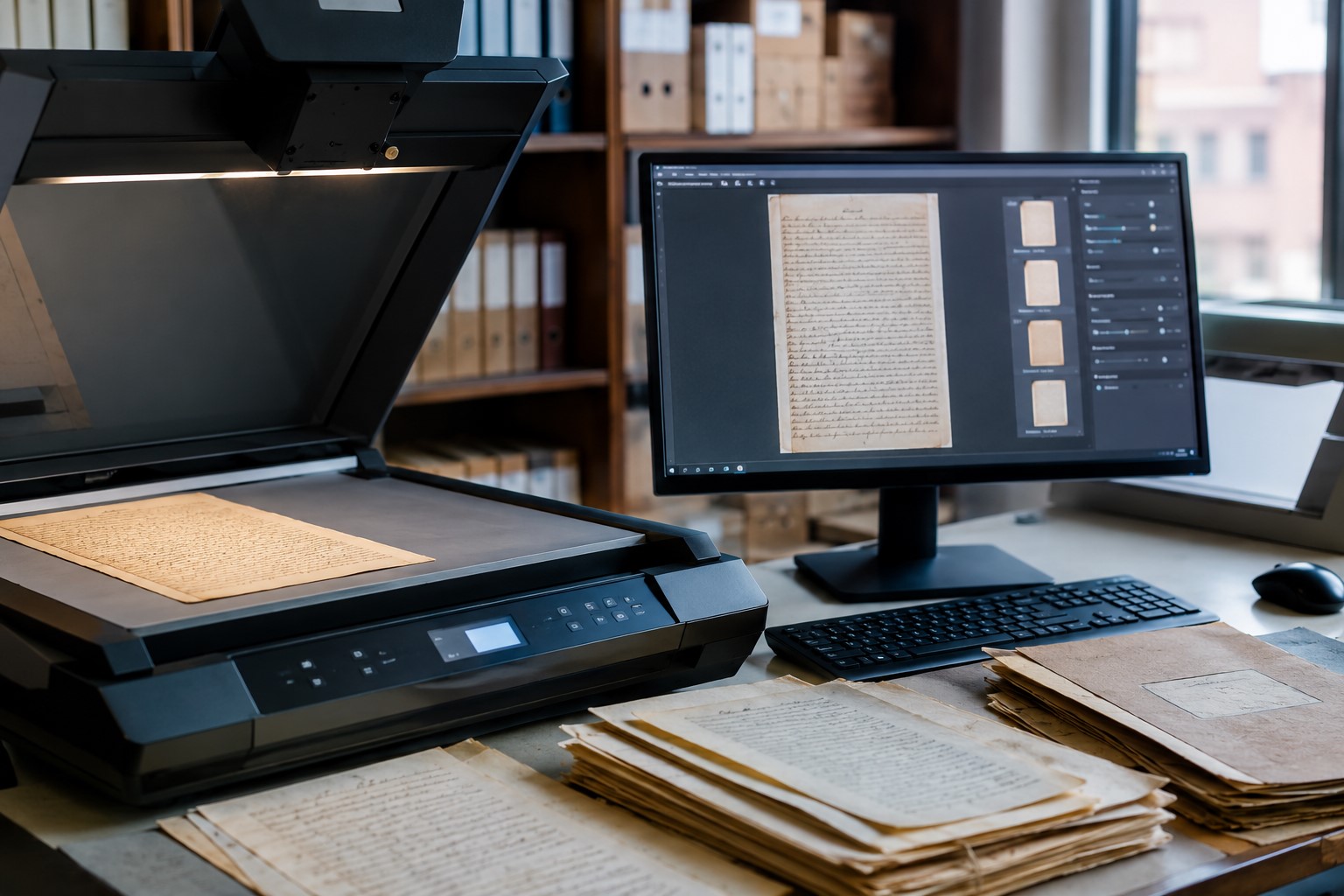
Given the scientific, historical, and documentary importance of the minutes of the general sessions, the topic of digitization emerges, as an important entry point for the development of parliamentary work, and bringing it closer to citizens, and also for preserving the paper archive from extinction. In this regard, Abdelali Benlias, professor of political science at the Faculty of Legal, Economic, and Social Sciences in Souissi, Rabat, explains that the House of Representatives launched the digitization process in 2015, as part of the modernization of the document and archiving management system.
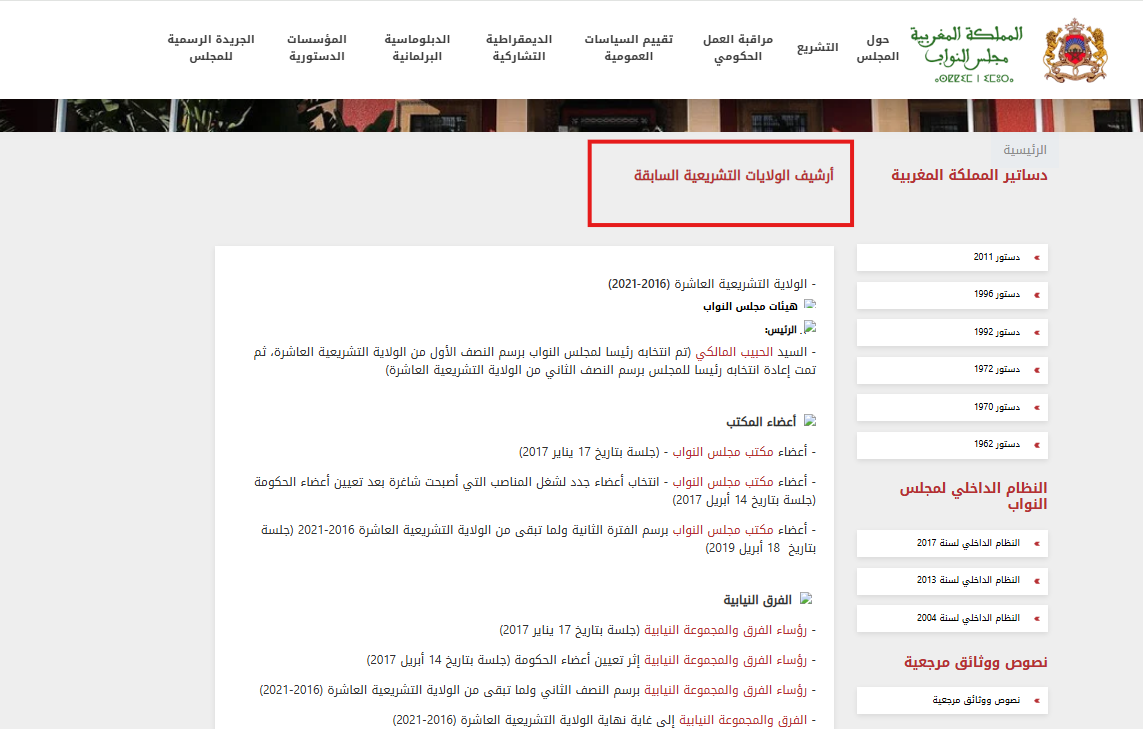
Benlias indicated in a statement to "HIBAPRESS" that the process included "more than three million documents, covering the various historical stations of the legislative institution since 1956", stressing that this project formed "an important step towards preserving parliamentary memory and facilitating access to documents and data." The university professor added that the digitization process is currently undergoing "continuous development, where it is likely that the number of digitized documents has exceeded five million documents," explaining that the parliamentary institution has moved to "a more advanced stage, which is represented in adopting electronic archiving and management of documents almost completely, through a special digital platform adopted by the various administrative units, which contributed to improving administrative efficiency and accelerating the processing and circulation of information." The expert in political science continued his speech by saying that "this digitization, without a doubt, facilitates the process of following up the legislative and supervisory activities of the House of Representatives and evaluating public policies and parliamentary diplomacy, as well as the various meetings and conferences held in Parliament."
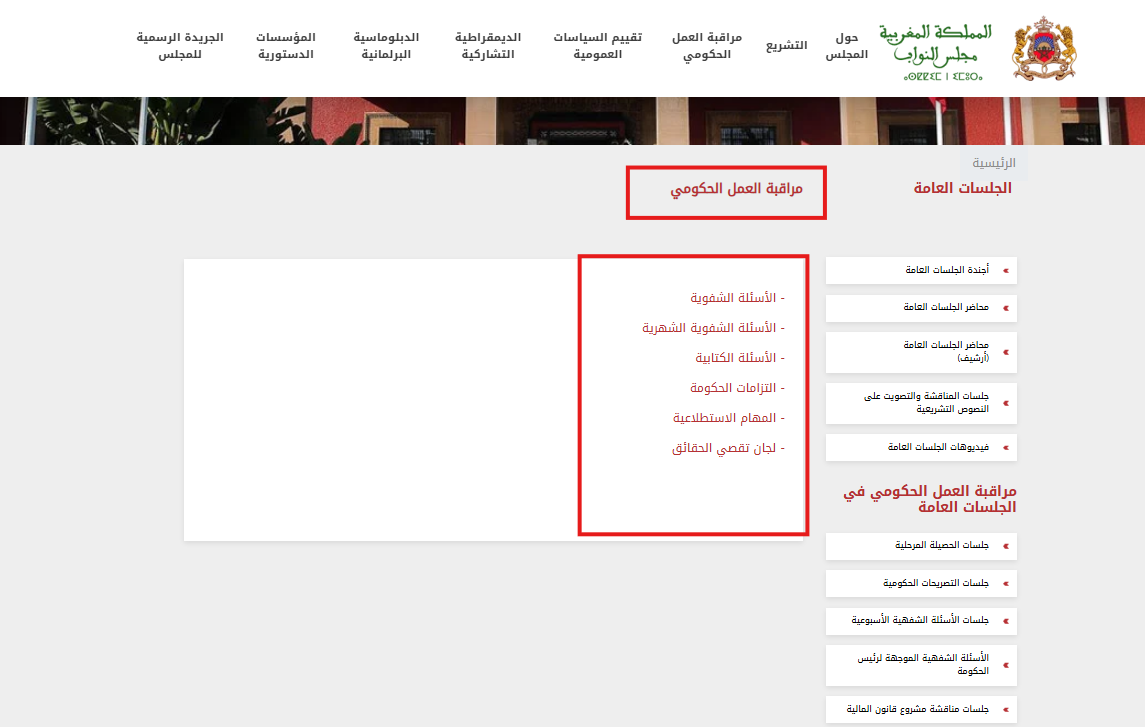
On the other hand, Benlias explains that the digitization of the reports of parliamentary committees and discussions of the general sessions and thematic committees forms "an important material reference and a large reservoir for the various political and intellectual discussions of the different issues that are the subject of dialogue between the various political and party components of Parliament, between the opposition and the majority, and between the executive and legislative authorities." The professor of political science acknowledged that "this digital archiving certainly includes rich material for researchers and those interested in following the path of the development of the parliamentary experience from different angles, from the angle of performance and efficiency, and from the angle of political discourse, and from the angle of measuring the extent of the maturity of the experience through the succession of legislative terms."
Digitization.. An entry point for transparency and preserving popular memory
Despite the efforts made in this regard, Amin Sami, the expert and international consultant in the field of economics and strategic planning, confirms that digitization is not limited to the process of "scanning documents and uploading them to a website, or live streaming committee meetings or general sessions." Sami considered, in a statement to "HIBAPRESS", that "the actual digitization of parliamentary work does not only mean converting paper documents into PDF files or broadcasting sessions live, but rather the transition from an administrative parliament to a smart parliament based on data, institutional memory, social interaction, and the ability to produce public trust continuously."
Therefore, the expert explains that "real digitization begins when Parliament becomes a dynamic platform for the production of public knowledge, and not just a space for the making of laws. Therefore, we move from the logic of archiving information to the logic of open public decision-making engineering." Sami drew attention to the fact that the world is heading today towards "the algorithmic parliament or the parliament enhanced by artificial intelligence, where data, impact indicators, voting analysis, tracking the implementation of laws, and measuring social interaction will become part of the daily structure of legislative and supervisory work." Regarding this matter, the expert confirms that "the actual digitization of parliamentary work is based on five interconnected levels: First: Digitization of the legislative memory; i.e. building a collective national memory that is open and includes: all laws and amendments, committee deliberations, positions of parliamentary groups, voting paths." This open memory should also include, according to Sami, "the evaluation of the impact of public policies, and the audio-visual and cognitive archive," pointing out, in this regard, that the value of "institutional memory as a strategic capital for the state, appears here, because countries that lose their institutional memory repeat their mistakes continuously."
The second level, according to Sami, relates to "digitization of transparency", because "transparency no longer only means publishing information, but also means: accessibility, ease of understanding, speed of updating, and the possibility of tracking and analysis." Sami himself confirms that "real digital transparency makes the citizen able to know: who voted? Why did he vote? What is the impact of the law? What is the cost of the decision? What is the implementation rate? Who benefits and who is harmed?", which means, according to the same expert, "the transition from informational transparency to interpretive and evaluative transparency."
Deep digitization and creating an open national memory for generations
The expert in economics and strategic planning stated that the third level of the digitization of parliamentary work relates to "digitization of civil participation", because it "transforms the citizen from a passive recipient to an "indirect legislative actor." He went on to say that this matter will form a global transformation towards "digital participatory democracy; smart public consultation; analysis of the societal mood; open legislative platforms; collective intelligence", pointing out that digital platforms will become here "a space to capture the early societal signals before they turn into social or political crises." The fourth level of actual digitization is linked to "digitization of parliamentary control", because "control in the future will not only depend on oral questions, but also on: digital dashboards and indicators of program implementation, open data, predictive analysis, and artificial intelligence, in addition to tracking public spending in real time." Here, the economic expert and international consultant in strategic planning explained that Parliament will gradually turn into a "command, analysis, and impact measurement center" and not just a discussion institution. The fifth level is "digital sovereign security." Regarding the impact of deep digitization, Sami points out that it will bring about four major transformations, which are "rebuilding trust, as in many countries, the crisis of democracy today is not only a crisis of representation, but also a crisis of trust", pointing out that the rise in the ability to track and digital accountability, necessarily means "a rise in the level of institutional trust."

This means, according to Sami, "reducing the distance between the citizen and the institution, as it reduces the psychological and political distance between Parliament and society, especially among the youth," and it will also contribute, according to the same expert, to "raising the quality of public decision-making because the decision based on data and real-time analysis becomes less subject to randomness and impressionism." Sami stressed the importance of creating an open national memory for generations, through the digitization of parliamentary work, because "parliaments do not only produce laws, but also produce the narrative of the state and the history of national transformations," continuing: "but behind this path there are challenges that must be worked on to overcome and overcome them." Among these challenges, according to the same expert, "the digital divide, weak digital culture, the danger of digital populism, misinformation, the reduction of public discussion in rapid interaction, and the dominance of algorithms in shaping public opinion." Sami warned against the danger of turning participation into "digital noise" instead of a real cognitive contribution, pointing in this context to what he called "the most important weak signal", which is that "the future will not be a conflict between a digital parliament and a traditional parliament, but between: a parliament that produces meaning, trust, and knowledge, and a parliament that is content with producing documents."
How do we transform Parliament into a living institutional mind for the state and society?
By way of anticipation, Amin Sami says that global parliaments are heading towards new models, which are "open data parliaments, artificial intelligence parliaments, and predictive parliaments, the digital twin of institutions, the immediate analysis of public opinion, digital legislative simulation before issuing laws," which means, according to him, that we may reach in the future "a stage in which the impact of any economic or social law will be tested through digital simulation models before voting on it." Sami pointed out that "in the Moroccan case, parliamentary digitization can turn into a major strategic lever, if it is linked to the new development model, the social state workshop, advanced regionalization, the right to access information, Digital Morocco 2030, sovereign artificial intelligence, open data, and territorial participatory democracy," adding that the question is no longer: will we digitize Parliament? But: “How do we transform Parliament into a living institutional mind for the state and society?”