HIBAPRESS – A. Mahyaoui
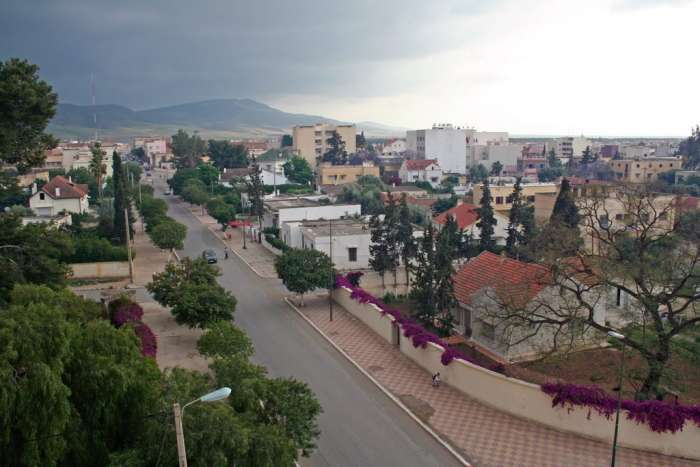
The Sidi Kacem region has been experiencing accumulated development challenges for years, leading a number of its residents to urgently pose a question that is being repeated in various communities and rural centers: Who will save the region from marginalization?
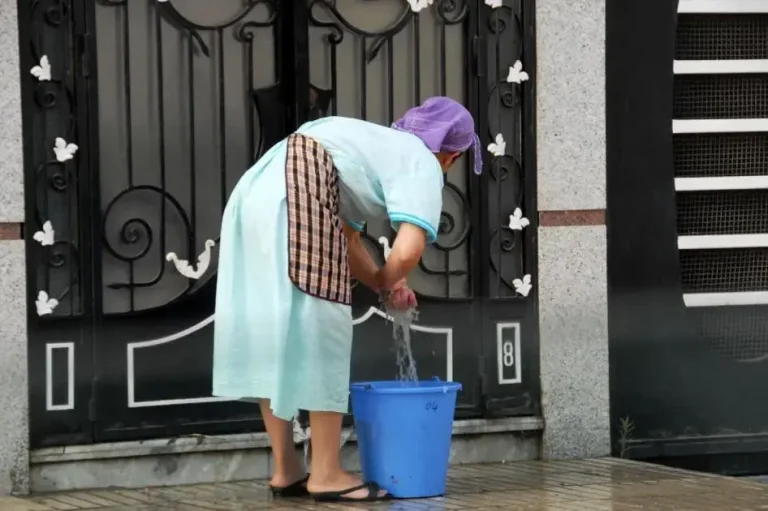
Despite the agricultural and natural potentials that the region possesses, and the geographical location that qualifies it to be a promising development pole in the Rabat-Salé-Kenitra region, the reality of a number of areas reveals the continuation of structural imbalances affecting vital sectors, foremost of which are infrastructure, employment, health, and education, in addition to the water, sanitation, and basic services crisis in a number of communities. Many villages and rural centers are experiencing difficult conditions due to the weakness of road networks and the deterioration of water and electricity networks, at a time when large segments of young people suffer from unemployment and the absence of investment opportunities, which drives many to migrate to major cities in search of better living conditions. The recurring crises related to drinking water in a number of communities, the latest of which was what the Sidi Al-Kamil community witnessed of continuous water cuts, also reflect the size of the constraints facing the region at the level of managing basic facilities, amid increasing demands for the necessity of accelerating the launch of structured projects capable of responding to the needs of the population. Local actors believe that the region today needs a new development vision based on spatial justice and linking responsibility with accountability, while going beyond the logic of circumstantial management towards an approach that relies on strategic planning, investment in basic structures, creating job opportunities, and improving the quality of public services. In the same context, civil society activists confirm that the advancement of the Sidi Kacem region cannot be achieved without collective mobilization that includes various stakeholders, from local authorities, elected councils, public institutions, and the private sector, in order to restore the citizen's confidence and achieve real development that reflects on the daily reality of the population. Observers of local affairs also stress that the region, which has been outside the dynamics of major projects for years, needs a real development attention that ends the state of long waiting, and restores consideration to its rural areas and fragile communities, especially in light of the increasing social and economic challenges. The question remains urgent today among the population of the region: Does the next stage carry actual solutions that will bring Sidi Kacem out of the circle of marginalization, or will the suffering of the population continue in light of the slow implementation of projects and the weakness of development indicators?