HIBAPRESS – Fikri Ouldali
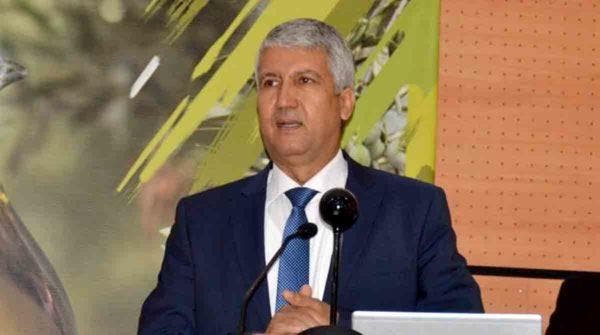
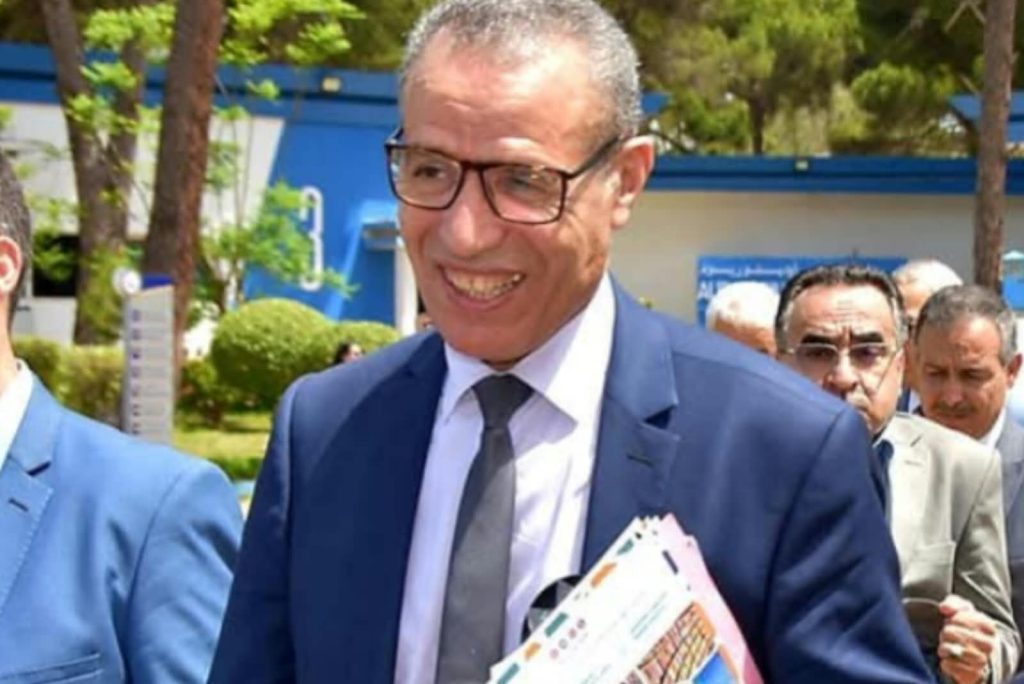
Since assuming the presidency of Abdelmalek Essaâdi University, the name of Professor Bouchta El Momni has emerged as one of the academic figures who bet on making the university a space for development, renewal, and openness, through an approach based on enhancing the quality of training and scientific research, developing institutional performance, and linking the university to its economic and social environment.
During his first term, which began in 2020, Bouchta El Momni worked to keep pace with the transformations in the higher education and scientific research sector, in a national context characterized by rising expectations from students and university staff, and the growing need for universities that are more open to their surroundings and more capable of responding to development needs.
The university projects launched during this period were part of a dynamic aimed at improving the performance of Abdelmalek Essaâdi University and enhancing its attractiveness, whether in terms of training, scientific research, or cooperation and partnerships. The university presidency also was keen to consolidate the institution's presence in its regional environment and to open up to economic and social actors, thereby strengthening the university's role as a key partner in development.
El Momni's experience gains special importance given the academic and administrative path he has accumulated within the higher education system. He has previously held a number of responsibilities, including the deanship of the Multi-disciplinary Faculty in Larache, vice-president of Abdelmalek Essaâdi University, and acting director of the National School of Commerce and Management in Tangier. This experience enabled him to grasp the various levels of university management and understand the challenges facing university institutions and ways to develop their performance.
Bouchta El Momni's involvement was not limited to the administrative aspect, but also remained connected to scientific research and academic training, as a professor and researcher in the field of marine sciences, with a scientific career spanning many years. This overlap between scientific expertise and managerial experience has shaped a style of university leadership that combines academic knowledge with the requirements of institutional governance.
Managing a university the size of Abdelmalek Essaâdi University, which includes a number of university institutions and attracts significant numbers of students, presents multiple challenges, from managing resources and infrastructure, to keeping pace with students, professors, and researchers, to enhancing the quality of training, research, and innovation. In this context, El Momni sought to continue building an institutional dynamic that makes the university a key player in its regional and national environment.
The reappointed president is also credited with his commitment to strengthening the university's relations with its environment, whether through academic and scientific cooperation or by opening up to economic and social actors. Today's university is no longer just a training institution; it is now required to contribute to knowledge production and innovation, qualify competencies, and participate in addressing development issues.
The renewal of confidence in Bouchta El Momni for a second term at the head of Abdelmalek Essaâdi University represents, in this context, an extension of a path begun during the first term, and places before him the responsibility of continuing the open projects, consolidating achievements, and raising the bar for ambitions related to the quality of higher education, scientific research, and serving students and researchers.
Given his academic and administrative experience, the next phase allows for continued consolidation of Abdelmalek Essaâdi University's position as an active university institution in the Tangier-Tetouan-Al Hoceima region, and enhancing its presence in the Moroccan university landscape, while expanding horizons of cooperation and openness to its national and international environment.
Thus, Bouchta El Momni's experience at the head of the university is linked to a fundamental bet that the development of the university institution does not only pass through structures and equipment, but also through investment in people, encouragement of scientific research, improvement of training quality, and openness to society and the economy. These are stakes that remain at the core of the university's future during his second term.