Hibapress
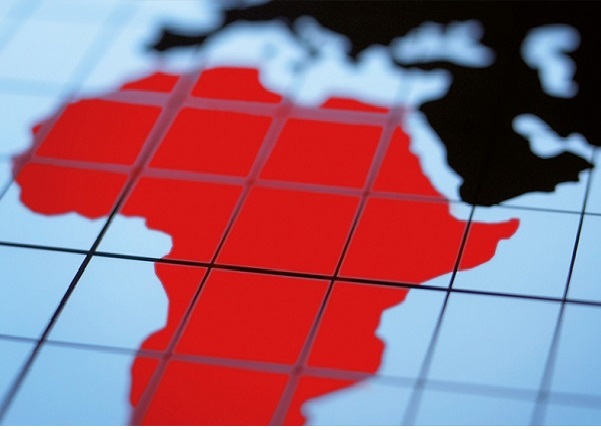
Africa’s perceived high risk profile, fueled by stereotypical narratives in global media, could cost the continent up to $4.2 billion a year in inflated interest payments on its borrowing, a published study reveals SATURDAY.
The study, titled “The Cost of Media Stereotyping for Africa,” was conducted by strategic consultancy Africa Practice and Africa No Filter, a non-profit organization.
She says negative narratives and biases have real-world consequences because they inflate perceptions of risk, leading to unfairly high borrowing costs.
The researchers explain that negative media coverage increases a country’s perception of risk, which leads to higher borrowing costs. Conversely, positive media sentiment is correlated with a lower risk profile and reduced bond yields.
“African countries are unfairly perceived as higher risk by international investors, leading to significantly higher credit costs compared to countries with similar political and socio-economic conditions,” they note.
They highlighted that African media often focused on negative stories, relating to topics such as poverty, conflict and disease, and failed to report on positive developments and achievements, particularly in the areas of education and health care.
“The media has stereotyped and grouped African cultures, economies and political systems and often presented this information through a Western prism, leading to misinterpretations,” the researchers note.
The study concludes that “media sentiment is a key determinant of investor sentiment” and their perception of risk, which plays a critical role in decision-making regarding capital allocation and the rate at which African countries can borrow.