This article was automatically translated from HIBAPRESS, the Arabic version:
This article was automatically translated from HIBAPRESS, the Arabic version:
Heba Press: Muhammad Zariyouh
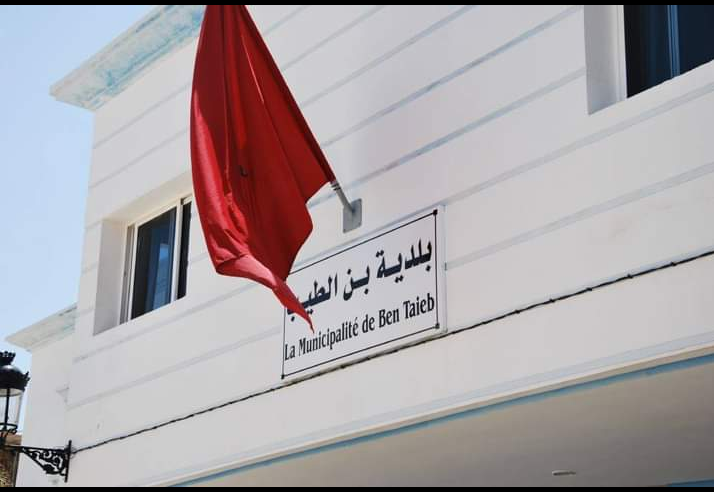
On Thursday, the Oujda administrative court decided to revoke the membership of nine councilors of the Ibn Tayeb community council in the Driouch region, after they voted against their party’s candidate during this year’s presidential elections. training which took place last September.
The Popular Movement Party had approached the administrative court to challenge the retention of these advisers, after they had changed their political position following the restructuring of the group’s council following the dismissal of former president Muhammad al Fadhili . This process resulted in the election of Mohamed Zerouali, candidate of the Party of Progress and Socialism, as president of the group.
The Popular Movement Party issued a strong statement following these events, targeting the former head of its National Council, Muhammad al-Fadhili, blaming him for the party’s loss of leadership of the Ibn al-Tayeb group, a historic bastion of the party. . The statement said Al-Fadili’s dismissal occurred against the backdrop of “serious imbalances” in the construction and financial management sectors during his presidency.
The regional editorial staff of the Al-Dariush Popular Movement Party did not hesitate to directly attack Al-Fadili, calling his actions “irresponsible”, which caused great harm to the party, especially with the victory of the candidate of the Party of Progress and Socialism. presidency even though the council included 19 members, all belonging to the Popular Movement Party.
In the released statement, the party described Al-Fadili’s actions as “reckless actions” that led to the loss of the Ibn al-Tayeb group, noting that what happened was not the result of a fair democratic process, but rather the result of a fair democratic process. “unethical and suspicious methods”. The party pledged not to tolerate what it calls “election brokers”, while stressing that it would pursue the matter in a judicial and partisan manner to define responsibilities and deal with the new situation.
The party believes that this crisis represents a hard blow for it in the region, expressing its determination to take all the necessary legal and organizational measures to regain control of the group and reorganize its cards to face the next stage.