This article was automatically translated from HIBAPRESS, the Arabic version:
This article was automatically translated from HIBAPRESS, the Arabic version:
Heba Press. Rabat
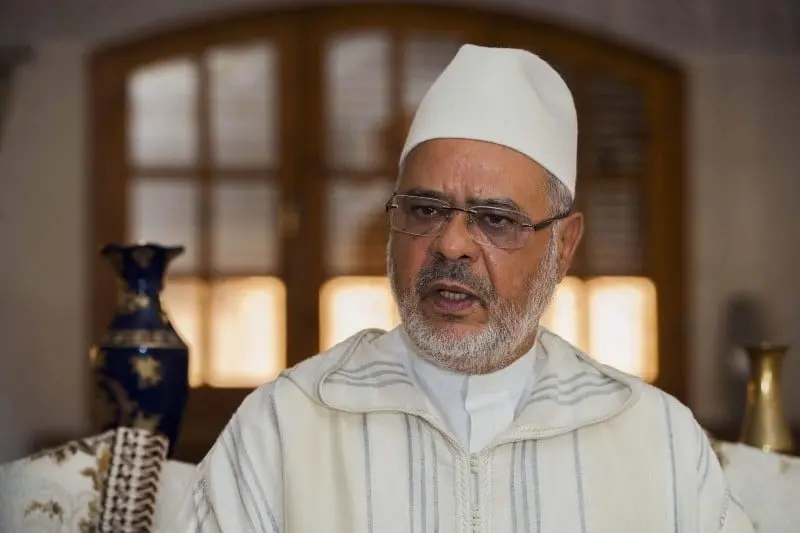
Ahmed Al-Raissouni expressed his opinion regarding the proposed amendments to the Family Code, noting that official jurisprudence is moving towards imposing more restrictions on men at different stages of married life, from before marriage, during the period of marriage, until after divorce and even after death.
Raissouni stressed that these jurisprudential and legal options are subject to diligent review and amendment, but he warned that this approach could lead to an increase in the reluctance of young people to marry and a growing fear of commitment, especially in light of what he sees as the facilities and temptations that encourage a life of celibacy and free relationships.
He stressed that these negative repercussions will negatively affect the family and society as a whole, explaining that women could be the most affected. Even if she has additional rights and powers, she may have greater difficulty finding a life partner.
In the context of his comment, Raissouni cited an example from some Hindu traditions, according to which, in the future, a woman may have to offer a large dowry to a man for him to agree to marry her, if the situation current persists.
.