This article was automatically translated from HIBAPRESS, the Arabic version:
This article was automatically translated from HIBAPRESS, the Arabic version:
Heba Press – Ahmed Al-Musaed
On Wednesday January 22, the Algerian authorities released a new batch of young Moroccans designated to emigrate via the Maghnia-Oujda land corridor. This batch included approximately 34 young men.
According to a report from the Moroccan Association for Assistance to Migrants in Difficult Situations, it followed up on their file, which falls under the file of missing persons, prisoners and detainees applying for immigration, including the file of migrants using various migratory routes. whether in Tunisia, Libya or sister Algeria, which includes more than 450 files.
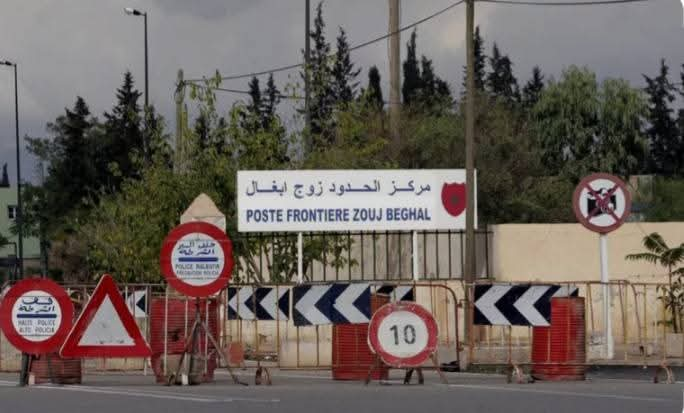
The handover process took place, adds the report, at the border post of Jog Beghal, in Oujda, and to Colonel Lotfi Mughniyeh, of Moroccan detainees and prisoners after having served their sentence in Algerian prisons. The Moroccan Association for Assistance to Migrants in Difficult Situations in Oujda witnessed this process today. According to data made available to the association, these released young people come from the cities of Fez, Jeddah, Taza, Taounate, Zayou, Touljerada, Taourirt, Rabat, Kalaa, Midelt, Beni Mellal, Tétouan and Guercif.
As previously reported, some of them completed their prison sentences and remained in administrative detention for more than five months. As the association closely follows numerous cases, it confirms that there are still many young people in administrative detention awaiting deportation.
The association reiterates, in the same communication, its assertion that this process is still hampered by several technical and procedural difficulties, which the association tries to resolve by presenting it at international meetings and forums, the most recent of which is the Conference International Conference on Missing Persons and Enforced Disappearances, which was held in Geneva, Switzerland, on January 15 and 16.
The association is also working hard to expel the rest and reveal the fate of the missing, including our brothers from Algerian families, in addition to revealing the fate of (06) bodies, including those of two girls from the Eastern region, including the families await their release and reception, like the rest of the bodies. The association has previously worked to facilitate judicial and administrative measures. As a reminder, the association has already corresponded twice with the National Human Rights Council in Morocco and has also held several meetings on these issues with several regional and international actors.
The presence of the association at the Geneva conference was an opportunity to recall the file of missing persons, detainees and prisoners, and the opportunity to re-present the file of detainees, detainees, missing persons and deceased candidates for immigration through immigration routes, and call to plead in the case.
The association hopes that this approach, like the previous ones, will also be an additional step towards real progress, the return of all young people and prisoners detained and arrested as candidates for immigration to Algeria to their families, the remains of the deceased being handed over to their families and the identification of all missing persons.
The Moroccan Association for Assistance to Migrants in Difficult Situations confirms:
– She will spare no effort to denounce these mafias and brokers who trade in family dramas and exploit the psychological and social conditions in which they live, and that she will take all legal measures to follow up and demand the opening of investigations into this matter. and to legally pursue these mafias and brokers, and that it works hard, voluntarily and for free, and according to its limited capacities, to support the families and plead their cause to know the fate of the missing people and free them. detainees and prisoners candidates for immigration to Algerian, Libyan and Tunisian territory and the Turk. Many young people are still waiting for decisions and expulsion procedures from neighboring Algeria.