This article was automatically translated from HIBAPRESS, the Arabic version:
Hibapress
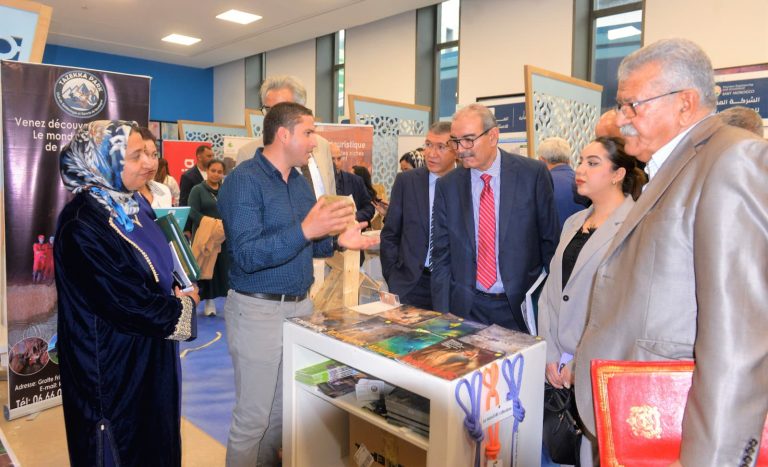
The Ministry of Equipment and Water, in partnership with the German Embassy and the Denmark Embassy in Morocco, launched a new water cooperation project on Monday, placed on Monday, Under the theme “Sustainable territories – durable and resilient lifestyles in Morocco”.
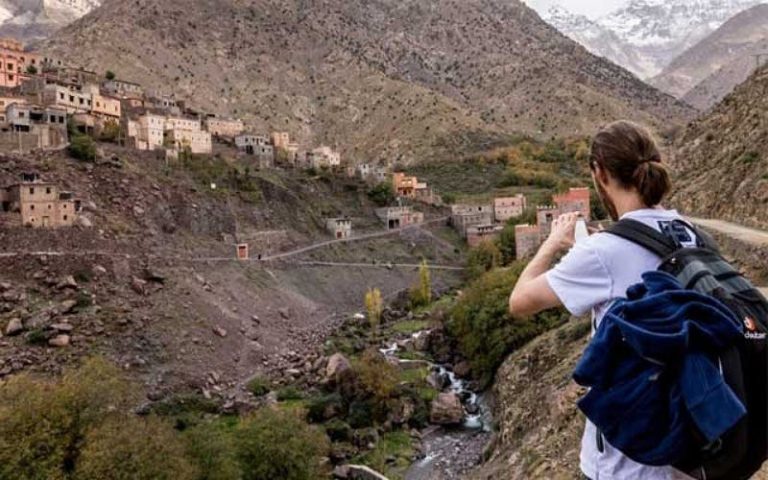
This project, whose forecast budget amounts to 12 million euros, aims to improve water availability and stimulate inclusive economic development in the High Atlas region, strongly affected by the September 2023 earthquake.
Benefiting from a co -financing of the German and Danish governments, this project, which will be implemented by the German Development Cooperation Agency (GIZ), aims to support territories impacted by the earthquake and develop a mode of innovative governance of natural resources, through the establishment of the Ourika river contract.
It revolves around four main axes, namely the governance of water resources, reconstruction, economic recovery, as well as the development of the skills necessary to generalize and reproduce innovative practices tested within the framework of the project.
Speaking on this occasion, the Minister of Equipment and Water, Nizar Baraka, said that, since the 2023 earthquake and in application of the high directives of King Mohammed VI, the Moroccan government has implemented a Series of initiatives aimed at meeting the urgent needs of disaster victims, while adopting a strategic vision for the management of water resources.
He thus specified that several measures have been deployed to guarantee the availability of drinking water, strengthen water infrastructure and preserve natural resources essential to the life of rural populations, welcoming German and Danish cooperation for their support for the sector of ‘Water in Morocco, and in particular to this project.
For his part, the ambassador of the Federal Republic of Germany to Morocco, Robert Dölger underlined the need to implement, through this project, integrated adaptation approaches leading to an improvement in the living conditions of the local populations While ensuring the sustainability of their economic activities, recalling the importance for Germany to contribute to common efforts to adapt to climate change.
For her part, the ambassador of the Kingdom of Denmark to Morocco, Berit Basse noted that the integrated adaptation approaches as well as the ambitious objectives of the project require innovations both socially and technical, noting that Denmark is delighted to Contribute, through this project, to the improvement of the living conditions of the local population as well as to the promotion of nature -based solutions.
As for the Director General of ANEF, Abderrahim Houmy, he said that this is an initiative carrying hope and opportunities for the regions affected by the earthquake and a strong commitment to the resilience of populations, sustainable management of natural resources and the fight against impacts of climate change.
In this sense, he explained that Morocco faces major environmental and water issues, with extreme phenomena exacerbated by climate change, resulting in an increase in temperatures and a drop in precipitation, adding in this regard that the earthquake recalled the urgency of adopting integrated and resilient approaches to rebuild and protect our territories, hence the relevance of this project which fits perfectly into this vision.
For the concrete implementation of the initiatives of the “Sustainable Territories – Sustainable Living and Resilients Project in Morocco”, an execution contract was signed by the Director General of Hydraulic Engineering, Abdelaziz Zerouali, the head of the Africa Department From the north of the GIZ, Doreen Fontaine and the main technical advisor of the new project, Anne Chaponnière.
A second partnership agreement was also signed by the director of the agency of the Tensift hydraulic basin (ABHT), Mohamed Chtioui, the regional director of the Anef de Marrakech Safi, Abdelaziz Hajjaji and Mrs. Chaponnière, consisting in defining the conditions and the methods of implementing the project activities as well as the means to be initiated.