This article was automatically translated from HIBAPRESS, the Arabic version:
Hibapress
Several regions of the kingdom have recorded significant precipitation over the weekend, ending a first half of winter marked by a rainfall deficit, said on Monday, the head of the Partnership and Communication Service at the Directorate General of Meteorology (DGM), Houcine Youabed.
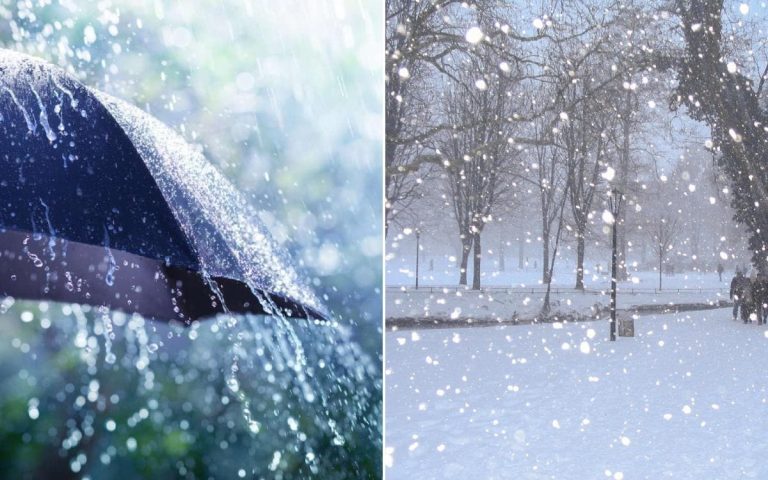
“This precipitation concerned the whole country, from north to the southern provinces, passing by the interior regions, the center and eastern Morocco,” said Mr. Youabed, specifying that during the last 48 hours, “we recorded more than 82 mm of rain in Tangier, 66 mm in Rabat and 42 mm in Casablanca. The reliefs of the Atlas and the Souss regions were also affected. ”
This precipitation result from a deep depression baptized “Jana” which affected Western Europe before reaching Morocco, he continued, explaining that this depression has generated significant quantities of rain, essential after several months of drought.
Weather disturbances are expected to maintain itself throughout the week. “A succession of depression will persist in the country, with precipitation expected on the Rif, the Middle and the High Atlas, as well as on the North Atlantic Plains,” said Mr. Youabed.
Snowfall is also planned on the reliefs exceeding 1,600 meters above sea level, he noted, noting that “by Thursday, moderate to strong precipitation will affect several regions, including Tangier, the Rif and the Atlantic Plains”.
He highlighted the importance of this precipitation, although late, and which remain beneficial for agriculture and water resources in the country, claiming that they will contribute to the reconstruction of water tables and will benefit spring cultures.
However, the DGM calls for vigilance due to the risk of floods and sudden floods. “It is important to follow the meteorological alert bulletins and to avoid any recklessness, especially in the wadis,” warned Mr. Youabed.
After a dry start of winter, this rainy sequence represents an opportunity for agriculture and the management of water resources, in a climate context marked by increasingly marked fluctuations.