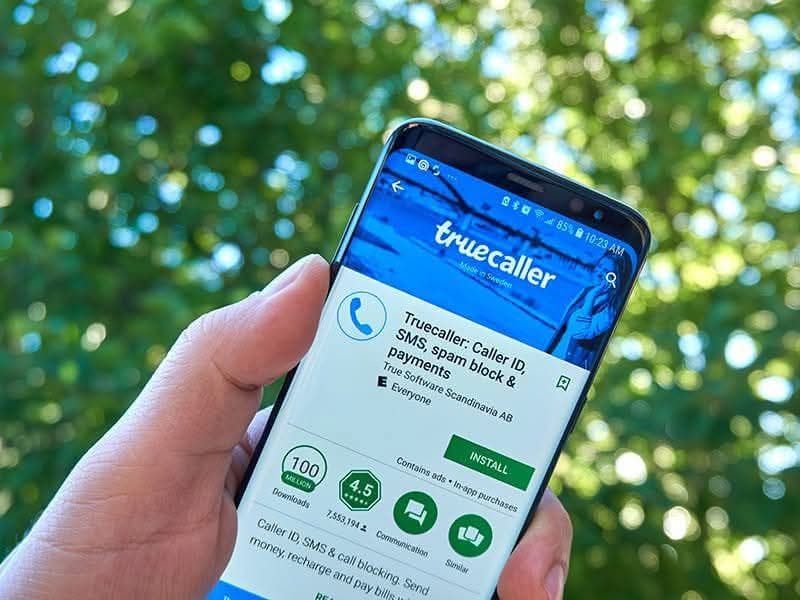
In the tranquil city of Chefchaouen, where stories flow like the mountains in the mist, a different kind of storm brewed—not from clouds or wind, but from a small application on a smartphone called Truecaller.
One day, with deceptive simplicity, a young man asked his friend to lend him his phone to make an urgent call to his sister, who wasn’t answering his WhatsApp messages. His friend, without hesitation, trustingly handed over his phone, unaware of the heavy surprises hidden on its small screen. As soon as the accused opened the phone and searched for his sister’s number, the name registered on Truecaller popped up… It wasn’t “So-and-so’s sister,” nor even her real name, but “MY LOVE.” That single moment was enough to turn his world upside down. His blood boiled, his veins tensed, and his wild imagination began to paint scenes of betrayal and treachery. He didn’t give his friend a chance to explain, he didn’t ask or clarify. In a blind emotional outburst, he beat him, stopping only when his friend fell to the ground with a broken arm, their friendship shattered along with the trust between them.
The victim, who never expected this tragic end to a good deed, filed a formal complaint with the authorities. The Public Prosecution followed up on the case while the accused remained in custody, and the Chefchaouen Primary Court delivered its verdict: five months imprisonment, as punishment for the violence that exceeded all logic.
However, in a surprising final scene, and just as the story began between friends, it seems it will end with a hint of forgiveness. It has been reported that the victim withdrew his complaint before the Court of Appeal, perhaps a sign of hope in rebuilding the bridge of friendship that was destroyed by a misunderstanding… and a ruthless application.
In this age of technology, it’s not enough to trust those around us… we must also be optimistic about what appears on our screens.