HIBAPRESS – Yassine Dhmiri
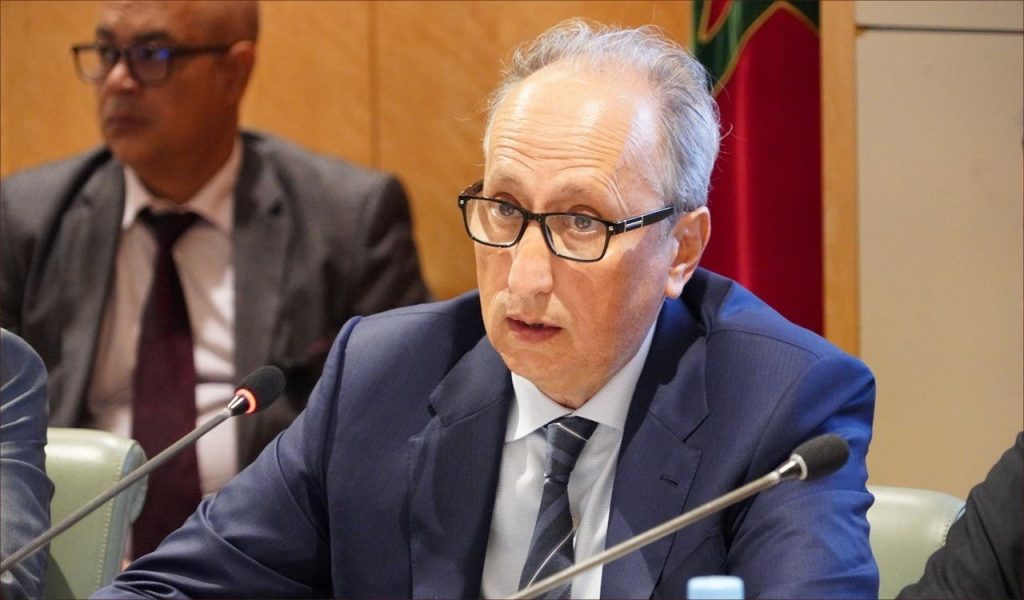
Mohamed Saâd Barrada, Minister of National Education, Preschool and Sports, clarified during a meeting held by the Education, Culture and Communication Committee in the House of Representatives, that the draft law No. 59.21 related to school education, is not limited to pedagogical and organizational aspects, but also includes improving working and study conditions within educational institutions in various parts of the Kingdom, including rural and mountainous areas.
Barrada emphasized in this context that spatial justice in education cannot be achieved without guaranteeing the minimum level of basic services within all institutions, adding: "It is not possible to leave a school branch in a mountain without anyone to look after it and without cleanliness." Barrada stressed that the school, wherever it is, must provide a safe and clean environment befitting the students and the educational staff, because the dignity of the school is part of the dignity of society, and therefore, it was necessary to specify in this law the conclusion of partnerships with associations and local groups to support this ambitious program. The Minister pointed out that the Ministry is working on developing an integrated vision for managing human resources and parallel services within educational institutions, with the aim of ensuring the permanent presence of school guards and cleaning workers, especially in remote areas that suffer from a lack of resources, and especially through partnerships with local groups. The aforementioned ministerial official also highlighted that improving infrastructure and providing support services are two essential conditions for the success of any real educational reform. Barrada concluded his intervention by emphasizing that achieving justice and equity in education requires collective will and institutional coordination between various sectors, noting that the reform of the Moroccan school is not limited to developing curricula, but also includes qualifying the learning space to be an environment that encourages achievement and mutual respect.