HIBAPRESS – MAP
The Secretary of State in charge of Traditional Industry and Social and Solidarity Economy, Lahcen Saadi, said on Wednesday in Rabat that the social and solidarity economy sector contributed to the creation of 24,558 jobs during the year 2025.
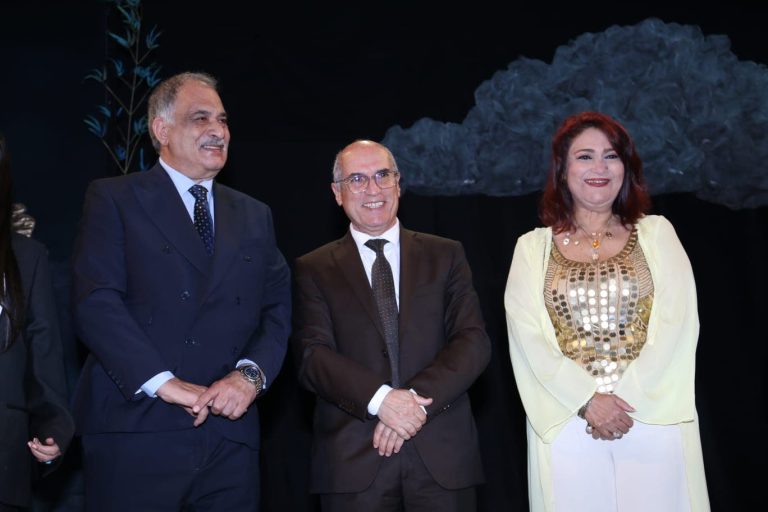
Saadi affirmed, during the closing ceremony of the International Year of Cooperatives, organized on the initiative of the Secretariat of State in charge of Traditional Industry and Social and Solidarity Economy, in partnership with the Office for the Development of Cooperation, under the slogan "Now is the time for cooperatives", that Morocco, under the wise leadership of His Majesty King Mohammed VI, is consolidating its leadership in the social and solidarity economy sector, through a model that combines economic efficiency and social solidarity, indicating that work is underway to implement a new framework law that will create a legislative leap that enhances the structuring of the sector. On this occasion, Saadi reviewed a set of new initiatives aimed at modernizing the sector, foremost among them the launch of the "Project Bank", which provides ready-made investment opportunities for the benefit of young people and women, in addition to establishing an electronic portal for training in Amazigh and Arabic (Classical and Darija) languages, ensuring the comprehensiveness of the benefit, especially in remote areas, as well as launching an electronic marketing platform for cooperative products, which aims to enhance their competitiveness. Regarding financial support programs, the government official explained that the "Muazara" program will work to finance more than 500 projects between 2025 and 2026, a figure that equals the total projects funded since 2021, adding that the "Tafiz Niswa" program, implemented in partnership with the Spanish Agency for International Cooperation for Development, aims in its first phase to create 5,000 jobs for women entrepreneurs, in four regions of the Kingdom. For her part, the Director-General of the Office for the Development of Cooperation, Aisha Rifaai, said that the regions of the Kingdom currently include 65,315 cooperatives, under which approximately 789,000 members are affiliated, including 272,000 women and 18,000 young people. She clarified that this sector directly contributes to the creation of more than 120,000 jobs, with the emergence of a number of "large cooperatives" (333 cooperatives) that contribute to economic transformation, achieving a turnover of approximately 14 billion dirhams. She added that this dynamic is in line with global trends, which culminated in the decision of the United Nations General Assembly to make the International Year of Cooperatives a periodic event every ten years, pointing out that Morocco has presented an exemplary model in implementing this vision on the ground. At the level of strategic mechanisms, Rifaai confirmed that the action plan for this sector was based on four structured axes, including strengthening radiation and awareness, by organizing more than 597 awareness sessions and hundreds of regional and national exhibitions, developing the entrepreneurial system in partnership with private sector institutions and public institutions, modernizing the legal arsenal and strengthening governance, based on the outputs of the fifth session of the National Conference on Social and Solidarity Economy. For her part, the Regional Director of the International Cooperative Alliance – Africa, Rose Kremi Kiwanuka, confirmed that the celebration of the closing of the International Year of Cooperatives 2025 is not just a symbolic event, but rather represents a global affirmation of the pivotal role that the solidarity economy plays in achieving sustainable development. Kiwanuka mentioned in a speech read on her behalf by the Director of Legislation at the International Cooperative Alliance, Santosh Kumar, that the United Nations General Assembly adopted on December 15, 2025, Resolution No. 80/182, which calls on governments to strengthen the legal and fiscal frameworks that support cooperatives, and recognizes the organization of an international year of cooperatives on a periodic basis every ten years, reflecting the increasing importance of this sector in the international agenda. In the context of her discussion of the Moroccan model, Kiwanuka praised the distinctive Moroccan experience, describing the Kingdom as a "gem" within the Cooperative Alliance system, while at the same time praising the leading role of the Office for the Development of Cooperation. She added that Moroccan cooperatives, especially in the fields of traditional industry, carpets, and argan oil, have succeeded in transforming cultural heritage into a real economic lever. The ceremony, which was attended, in particular, by the National Coordinator of the National Initiative for Human Development, Mohamed Dardouri, the presidents of the professional chambers, and representatives of the cooperative fabric, witnessed the signing of a partnership agreement between the National Cooperation Foundation and the Office for the Development of Cooperation, aimed at strengthening the socio-economic integration of women, youth, and people with disabilities. This agreement seeks to develop and implement joint programs and projects aimed at creating income-generating activities for the benefit of vulnerable groups, ensuring their economic empowerment, and integrating them into the national productive fabric. It is worth noting that 2025 is a pivotal year for cooperatives after its declaration by the United Nations as "International Year of Cooperatives", especially after formalizing this initiative by adopting a resolution of the United Nations General Assembly that calls on all member states and UN agencies to promote the cooperative model and highlight its positive effects in achieving the sustainable development goals.