HIBAPRESS from Meknes
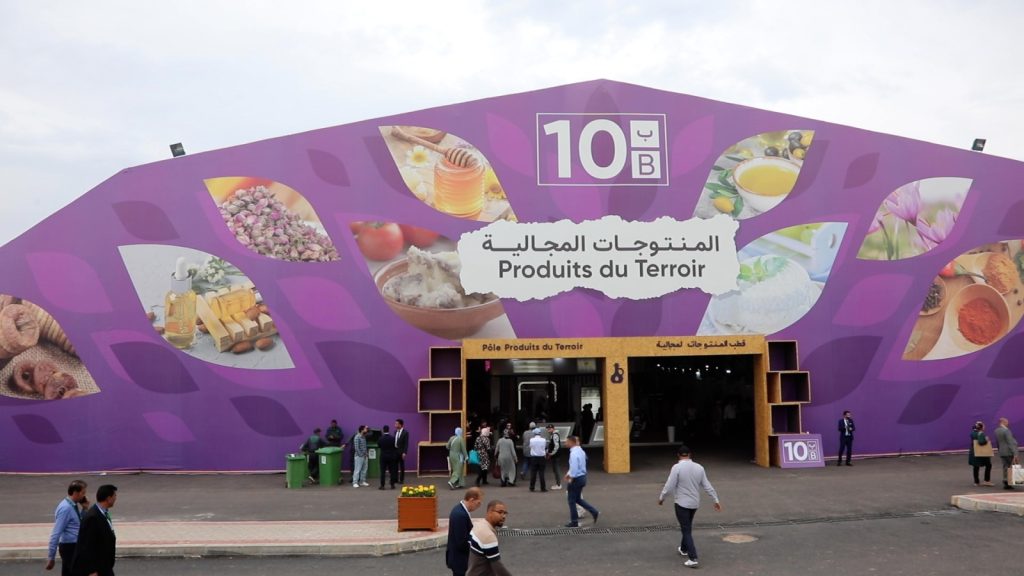
Within the framework of the 18th edition of the International Agriculture Exhibition in Meknes, the cooperative pavilion attracts the attention of visitors, as it is a space that reflects the vitality of solidarity agriculture, by presenting an integrated picture of the diversity and richness of local products in various regions of the Kingdom.
Dynamism of Cooperatives and Diversity of Offer
This pavilion displays local agricultural products that reflect territorial specificities, such as honey, natural oils, plant and aromatic products, in addition to traditional food products that have managed to establish their presence within the market thanks to their quality and authenticity.
This diversity comes as a result of the involvement of cooperatives in valuing local resources, as the pavilion forms a platform for introducing these products and establishing professional relationships with economic actors, which opens up new prospects for marketing and promotion.
Valuing Local Products and Quality Standards
The cooperative pole focuses on highlighting the quality of local products, especially those that benefit from distinctive marks, which enhances their value within the market and reinforces consumer confidence in local products.
The pavilion also reflects the development of production and valuation methods, by improving transformation and packaging processes, in line with modern standards and strengthening the competitiveness of cooperatives at the national and international levels.
A Pivotal Role in Rural Development
The wide participation of cooperatives confirms the role they play in supporting the rural economy, by creating job opportunities and improving the living standards of the local population, especially women and youth.
This dynamism is highlighted through examples of successful projects that have been able to value local products and achieve added value, which makes cooperatives a key player in achieving local development.
Sustainability Challenges in Light of Climate Challenges
In the context of climate change, cooperatives are moving towards adopting sustainable production practices, which are based on preserving natural resources and developing production chains capable of adapting to environmental changes.
This trend reflects consistency with national agricultural strategies, which are betting on supporting solidarity agriculture and enhancing the role of cooperatives as a lever for achieving sustainable and comprehensive development.