HIBAPRESS – Mohamed Zariouh
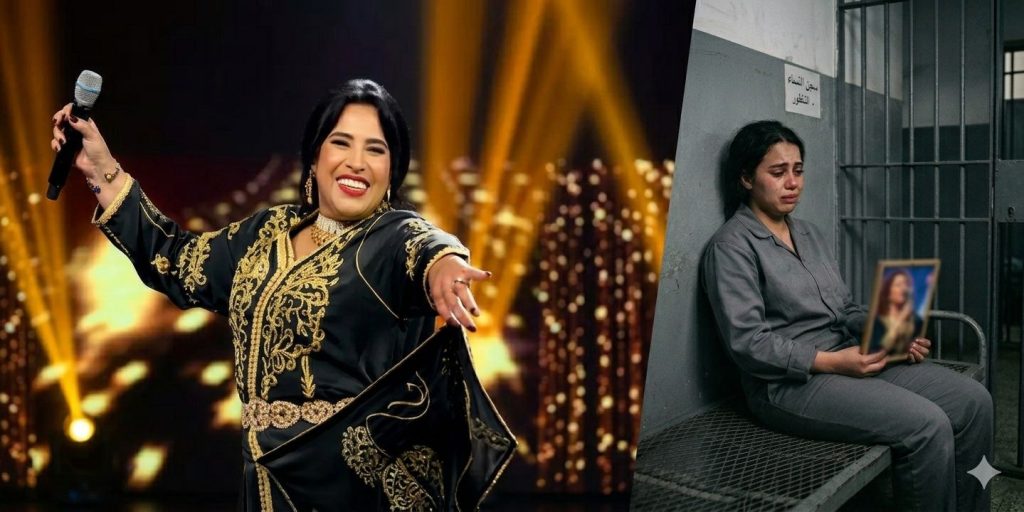
A wave of intense controversy is currently escalating across social media platforms, just before the launch of the anticipated concert of the popular artist Najat Aatabou in Brussels on Saturday, April 25, 2026.
This uproar comes in a very sensitive humanitarian context, where the hustle and bustle of the stages intersects with the moaning of a horrific road tragedy, after news spread about the artist's daughter's involvement in a fatal traffic accident that claimed the life of a young woman and sent her companion to the intensive care unit, a situation that placed the daughter under custodial measures pending judicial investigation.
While the organizers of the Brussels evening are sticking to the date of the artistic performance, the division in the digital space has ignited between the logic of "contractual commitment" and the duty of "humanitarian support."
While some believe that the artist's professional contracts and international obligations are not subject to postponement, activists emphasize that the sanctity of the human soul imposes a different ethical approach, considering that taking the stage in the presence of a victim and judicial follow-up of the artist's own flesh and blood represents a crack in the wall of social responsibility that the artistic symbol must possess.
This sharp division in public opinion raised fundamental questions about the "ethics of art" in moments of great crises; where followers denounced the insistence on holding the concert as if nothing had happened, considering it a kind of mockery of the feelings of the victims' families.
In contrast, a group emerges that defends the need for complete separation between personal life and professional career, confirming that the artist remains bound by strict legal contracts and an awaiting audience, which puts him in an unenviable position between a rock and a hard place.
The controversy has extended to include "the culture of empathy" in the artistic scene, where many criticized the focus on the legal repercussions facing the artist's daughter, in exchange for marginalizing the suffering of the victims who lost their lives in the accident.
The blue space turned into a field for judging values, where the angry see that the artist's presence on the stage at this very moment is giving preference to material interests over human value, which may directly affect her moral balance with her large audience.
While eyes are turning to the Belgian capital on Saturday night, the file remains open to all possibilities, awaiting what the coming hours will bring in terms of decisions.
Will the language of contracting and the sparkle of lights prevail, or will the language of mourning and apology prevail out of respect for the sanctity of death? This question remains pending, awaiting an official stance that puts an end to this conflict that mixed the hustle and bustle of stardom with the bitterness of human loss.