HIBAPRESS – By Abdellatif Baraka
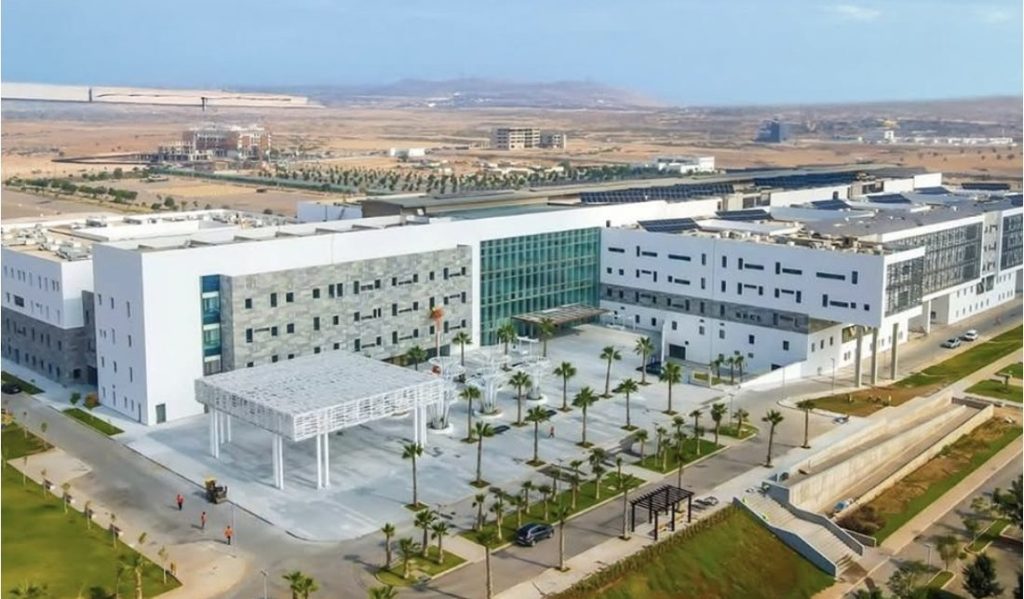
The health system in the Souss-Massa region is experiencing increasing pressure, placing the Mohammed VI University Hospital in Agadir before unprecedented challenges, in light of the transfer of the burden of reception and treatment to it after the closure of the Hassan II Regional Hospital.
According to converging data from professional and union sources, this sudden shift has exacerbated overcrowding and disrupted patient care pathways, in addition to recording imbalances in reception and the billing system. Sources from within the health sector in the region confirm that the institution, which was relied upon to lead a new phase of improving the health offer, is now facing severe organizational difficulties that threaten the quality of services, at a time when the demand for treatment is increasing beyond the current capacity. These sources describe the situation as a "structural pressure" that requires urgent intervention to restore balance. In contrast, union representations of health and administrative cadres have warned of the exacerbation of the crisis, pointing out that rounds of dialogue with the administration have not achieved tangible results, and that a number of the problems raised are still unresolved. They also criticized what they considered a lack of clarity in managing the stage, considering that some of the adopted approaches do not reflect the size of the challenges posed on the ground. These data coincide with the estimates of professionals in the sector, who believe that the continuation of the current situation may lead to a decline in indicators of the quality of health services, from treatment to the poor guidance of patients and other organizational problems, unless urgent measures are adopted that include improving governance, strengthening human resources, and modernizing management mechanisms, while ensuring transparency and linking responsibility with accountability. In light of these indicators, it seems that the largest hospital institution in the region is facing a crucial turning point, where saving its balance remains dependent on the ability of the actors to overcome the current imbalances and establish a comprehensive reform approach that meets the expectations of patients and professionals alike.