HIBAPRESS – Mohamed Zariouh
The Spanish authorities in the occupied city of Melilla have opened a serious file related to "modern slavery," following extensive investigations into the involvement of businessmen in exploiting Moroccan minors in hard labor.
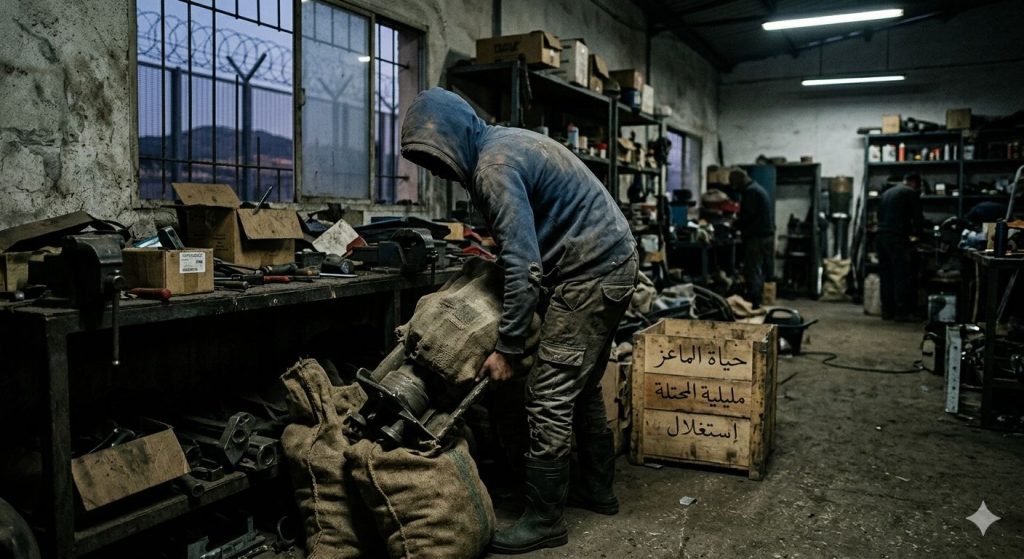
These moves come after the arrest of a contractor suspected of employing a 17-year-old boy in "inhumane" conditions, sparking questions about the extent of the "goat life" phenomenon within the occupied enclave, where immigrants are forced to work under threat and precariousness. Investigations launched by the Unit for Combating Immigration Networks (UCRIF) revealed shocking details; it turned out that the minor victim worked for long hours in exchange for a meager wage not exceeding one euro per hour, without any health coverage or legal contract. Despite the fact that the boy was officially under the guardianship of the Directorate of Minors affiliated with the local government, the employer exploited his weak legal status and his need for money to evade control, in flagrant violation of labor and child protection laws. Field reports indicate that the expression "goat life" has become a common term describing the daily hell of these boys, who flee poverty in search of the "European dream," only to find themselves prisoners of economic exploitation networks that treat them as cheap commodities. These minors, who entered the city illegally, are isolated and exploited by their fear of deportation to subject them to hard professions that lack the minimum conditions of safety and human dignity. In a related context, the security services launched secret search operations that included factories, major stores, and warehouses suspected of turning into centers of humiliating exploitation. Sources indicate that the investigations are not limited to isolated cases, but rather target the dismantling of a network of unauthorized professional relationships, which relies on "hunting" unaccompanied minors as soon as they arrive in the city, before they are turned into forced labor in the service and construction sectors. The completed files have been referred to the competent judiciary in Melilla to rule on the charges against the arrested businessmen, which range from violating workers' rights and exploiting minors in a difficult situation. This case puts the Spanish authorities before an ethical and legal challenge regarding the effectiveness of the system for protecting immigrant children, in light of the escalating warnings of the city turning into a breeding ground for practices that reproduce slavery with modern economic mechanisms.