HIBAPRESS – Abdellatif Baraka
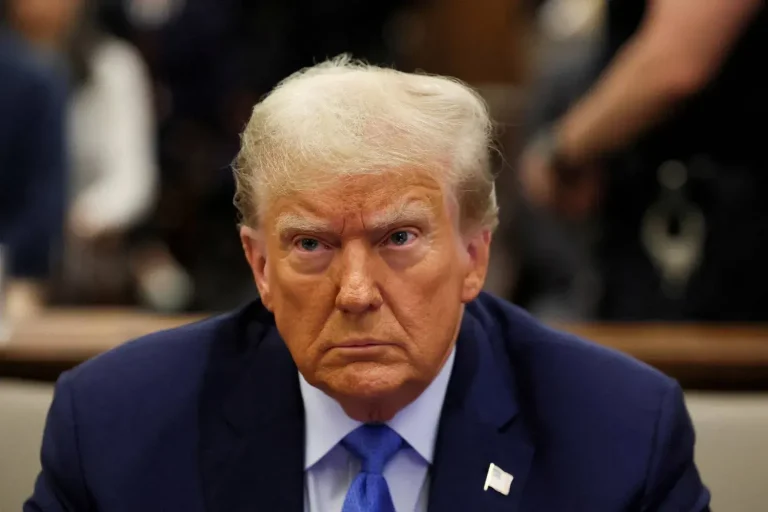
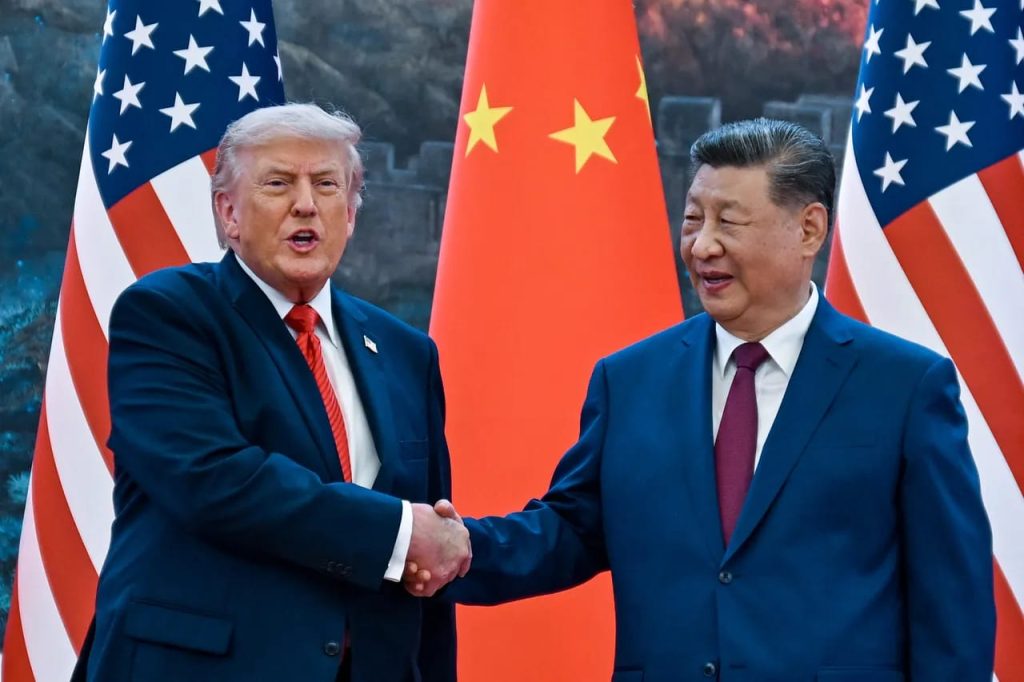
In an international moment charged with geopolitical tensions, US President Donald Trump landed in the Chinese capital, Beijing, on an official visit that lasted from (May 13-15) and was described as one of the most sensitive in the course of American-Chinese relations.
While the files of trade, technology, and the war in the Middle East topped the agenda, the Taiwan file emerged as the most prominent title, and even as the "central knot" that sums up the depth of the conflict between the two powers.
For years, Taiwan has been a sharp point of friction between Washington and Beijing. China considers the island an integral part of its territories and pledges to restore it by all possible means, including force if necessary. In contrast, the United States continues its military and political support for Taipei, within the framework of a policy of "strategic ambiguity," without officially recognizing its independence. This fragile balance has made Taiwan a file that could ignite at any moment.
During Trump's visit, this file was not just an item on the agenda, but it turned into a heavy negotiating card, as the summit came amid escalating tensions due to recent American arms deals for Taiwan, which Beijing considered a direct provocation and interference in its internal affairs.
According to overlapping data, the Chinese leadership strongly pressured the American administration to curb this military support, or at least reduce it, in exchange for potential Chinese flexibility in economic and trade files.
What is interesting about this visit is the "deal-making" nature that characterized the approach of the Trump administration. Instead of sticking to rigid positions, it was clear that Washington was ready to open flexible negotiation channels, where Taiwan was no longer just a matter of sovereignty or moral obligation, but rather became an element within a broader game of balances that includes tariffs, supply chains, and competition in the field of artificial intelligence.
In this context, Taiwan acquires double importance, not only because of its geopolitical position, but also as the beating heart of the semiconductor industry in the world. This vital industry, which is the backbone of the global digital economy, makes the island a strategic target that neither of the two powers can relinquish. For Washington, Taiwan represents the first line of defense of its technological superiority, while Beijing sees it as a key to liberation from Western hegemony in this field.
Despite the sensitivity of the file, the summit did not result in any official agreement regarding Taiwan. However, what was actually achieved was the avoidance of escalation and the opening of new channels of dialogue to control tension. China reiterated that Taiwan is a "red line," while the United States maintained its support without announcing new escalation steps. This balance reflects a complex reality; no one is prepared to back down, but everyone is aware of the cost of the confrontation.
A deeper reading of the outcomes of the visit reveals that the world is moving towards a stage of "crisis management" instead of solving it. Washington and Beijing are not seeking to resolve the conflict, but to control its pace, in a way that prevents a slide towards a direct confrontation that could be disastrous for the global economy and international stability.
And Trump's visit to Beijing confirms that Taiwan is no longer just a disputed island, but has become a multi-dimensional global conflict محور, in which politics intersects with economics, and technology with geography. Between China's desire to regain what it considers "territorial unity" and the United States' insistence on protecting the balance of power in Asia, Taiwan remains on hot coals… and the whole world is in a state of anticipation.