HIBAPRESS – Ayman Lamghabber
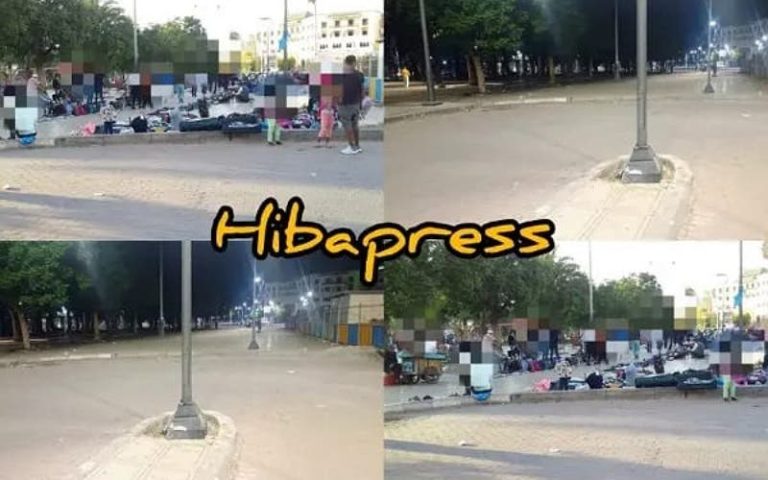
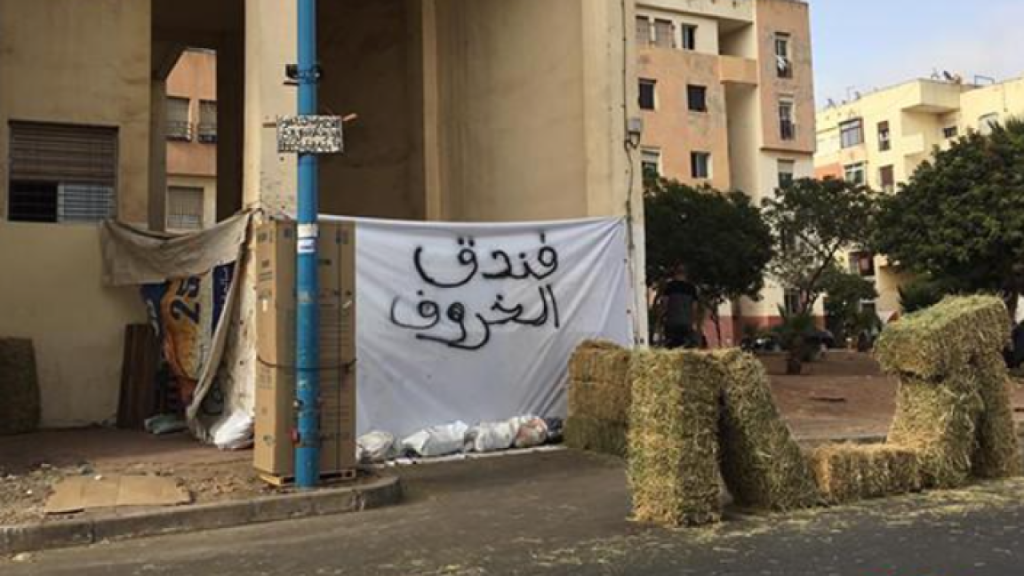
The decision to ban the sale of sacrifices inside shops and "garages", along with the ban on what is known as "sheep hotels", in the Hay Hassani district, has sparked a state of resentment and confusion among a number of families, especially with the approach of Eid al-Adha and the absence of any clear alternatives that enable citizens to purchase sacrifices or house them in suitable conditions.
Despite the local authorities starting to implement the ban decision and monitor the shops that were exploited during this occasion, the residents found themselves, according to observers, facing a new reality that forced them to move to other areas outside the Hay Hassani district, and even outside the city of Casablanca, in search of sheep in the absence of a "Rahba" or a temporary market dedicated to this occasion within the region. A number of citizens consider that the problem is no longer only related to the ban on random sales or limiting the manifestations of occupying public property, but mainly to the absence of a clear vision that takes into account the needs of families who are accustomed every year to purchasing sacrifices within their residential environment, especially for families who prefer to buy the sacrifice a few days before Eid and need spaces to house them after the ban on "sheep hotels". At a time when citizens were expecting this decision to be accompanied by the establishment of organized spaces subject to health monitoring, the controversy is increasing about the role of the elected bodies, whether the Casablanca community or the Hay Hassani district, in alleviating the suffering of the residents and finding practical solutions that guarantee a balance between organization and the needs of citizens. Observers also believe that merely banning sales inside shops without providing alternative markets may contribute to the phenomenon spreading to other areas, and double the burdens of transportation and costs on families, especially in light of the great demand that this religious and social occasion witnesses every year. A number of local actors demand the need to adopt a clear organizational approach based on preparing temporary and framed spaces for selling sacrifices, instead of leaving citizens facing the reality of searching for the sacrifice outside the region, with all the pressure and additional suffering it entails for the residents.