HIBAPRESS – Abdelatif Baraka
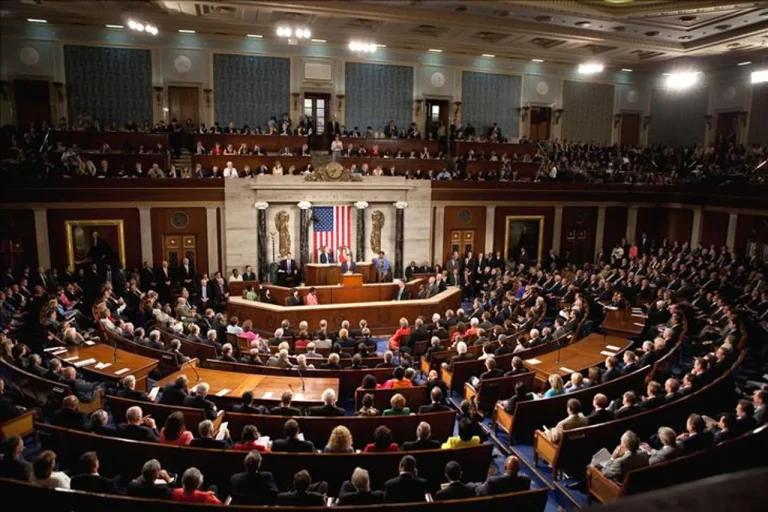
In an atmosphere charged with discussion and debate, the Justice, Legislation, Human Rights and Freedoms Committee in the House of Representatives concluded one of the hottest sessions, after it took more than eight consecutive hours to resolve hundreds of amendments related to the draft law regulating the legal profession. A heavy session in terms of numbers and bets, ended with the ratification of the amended text by a clear majority, thus placing a new brick in the path of rearranging the defense house.
The project, which was subjected to 502 amendments by the majority and opposition components, did not come out as it entered. The committee redrew the features of access to the profession, by raising the age ceiling to 45 years, in a step that is understood as an attempt to open the door to competencies that remained outside the race, in exchange for unprecedented tightening of integrity standards, as mere restoration of honor is no longer sufficient in cases of money and forgery, which reflects a trend towards "purging" the profession from any suspicion.
At the heart of the reform, a clear will emerged to restructure the formation, by adopting a new path within the institute that grants the status of "student" for a full year before obtaining the certificate of competence, with the extension of the registration period in the training schedule, in an attempt to reduce time pressure and improve the quality of qualification. The role of the Ministry of Justice was also established in organizing the entrance exam, which enhances the centrality of supervision of this crucial stage.
The amendments did not overlook the category of university professors, as the conditions for exemption were expanded in their favor, in a way that reflects recognition of their academic experience, while removing age restrictions that were considered unfair. In contrast, the text emphasized controlling the relationship of foreign lawyers with the profession within Morocco, by subjecting them to precise procedures, the most prominent of which is the need to register them in separate lists and present cooperation contracts to the competent bodies.
The project did not stop at the limits of access and training, but extended to include expanding the tasks of the lawyer to include new fields, including mediation in sports and artistic professions, in a reference to the openness of the profession to market transformations and modern legal services. The mandatory written documentation of professional relationships was also approved, which enhances transparency and protects the rights of the parties.
On the disciplinary side, the text carried a strict spirit, by establishing a system that distinguishes between the institute student and the trainee lawyer, with the creation of new investigation and disciplinary mechanisms, guaranteeing the rights of defense and framing the procedure with clear time guarantees, in a step aimed at achieving a balance between strictness and justice.
As for the management of the bodies, a new electoral system based on proportional representation according to seniority was adopted, which ensures a more balanced distribution within the councils, with the determination of the term of office of the captain in three non-renewable years, in an attempt to inject new blood and avoid monopolizing positions. The presence of women was also enhanced through a preferential mechanism in the event of a tie, in a reference to a trend towards more equitable representation.
With these amendments, it seems that the draft law on lawyers is no longer just a regulatory text, but has turned into an integrated reform workshop, which seeks to redefine the profession between the requirements of ethics, the challenges of openness, and the pressures of digital transformation, awaiting what the remaining stages of legislation within Parliament will result in.