HIBAPRESS – Fez
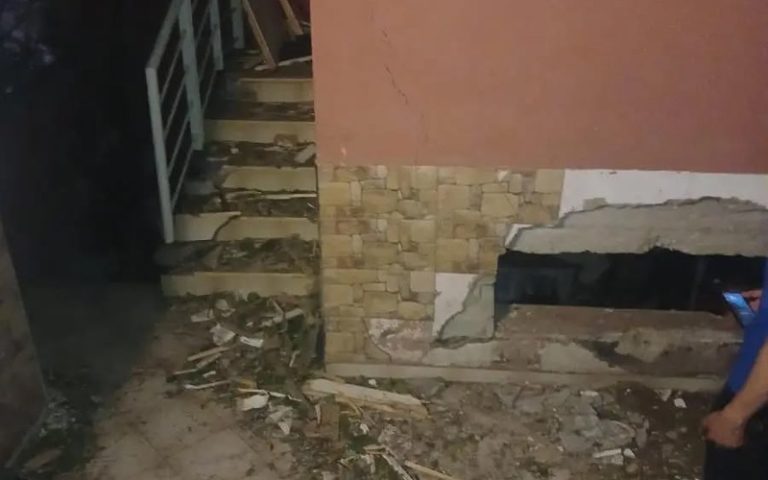
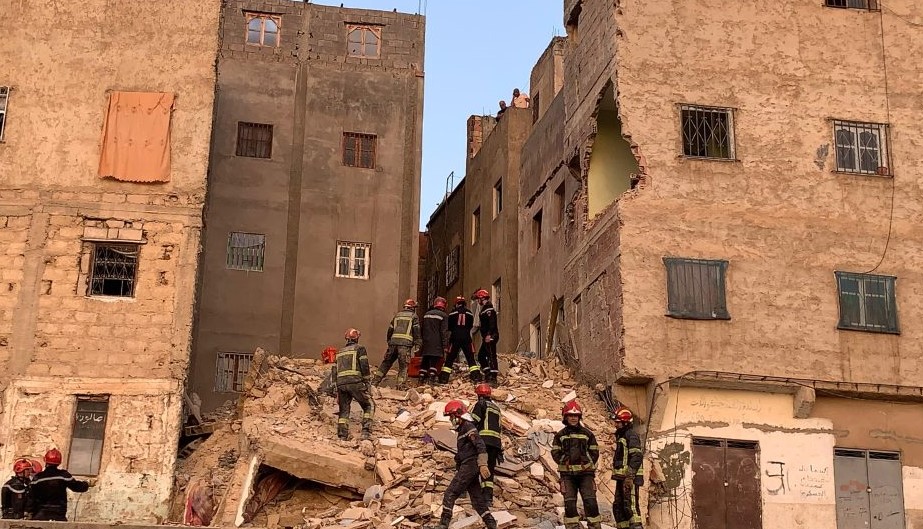
Once again, the city of Fez wakes up to a painful tragedy this week due to the collapse of a dilapidated building in the Ain Naqbi district, in a scene that brings to the forefront the question of political and institutional responsibility, and reveals the size of the gap between the suffering of citizens and the seasonal speeches of the elected officials.
After every tragic incident, social media pages rush to publish condolences and expressions of sorrow, while the real question is absent: Where were the representatives of the nation and local elected officials before the disaster occurred? And where is their supervisory and legislative role in defending marginalized neighborhoods and buildings threatened with collapse within the parliament and elected councils? The file of dilapidated buildings in the city of Fez is not a product of today, but rather an open urban and humanitarian wound that has been ongoing for years, experienced by thousands of families under the threat of death at any moment, amidst repeated promises and programs that do not see their way to full implementation. Despite repeated warnings from civil society and the media, the file remained confined to slogans, taking pictures, and appropriate statements. The residents today do not only need words of consolation, but rather courageous stances, real accountability, and urgent policies that save what remains of lives within the ancient city and fragile neighborhoods. Political responsibility is not measured by the number of condolence statements, but by the elected official's ability to seriously advocate, exercise institutional pressure, and turn the suffering of citizens into a national priority. The tragedy of Ain Naqbi is not an isolated incident, but a new danger bell that rings loudly, and places everyone before a historical responsibility: either to take actual action to protect citizens, or to await other tragedies to be added to the record of neglect and forgetfulness.