HIBAPRESS – A. Mahyaoui
Ibrahim Abouzid, the governor of Safi province, chaired an expanded meeting on Tuesday, September 8, 2026, dedicated to identifying and coordinating various proactive measures and operational procedures to confront potential natural risks, foremost among them cold waves, snowfall, heavy rainfall, and floods.
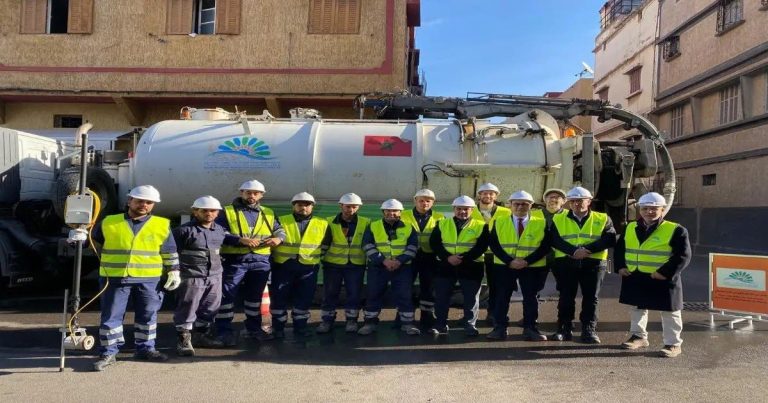
The meeting was attended by the head of internal affairs, local and security authorities, relevant decentralized services, and representatives of the regional multi-service company. The meeting served as an opportunity to assess the regional preparedness level and unify the efforts of various stakeholders to ensure rapid and effective intervention in case of any weather disturbances.
The meeting specifically addressed the management of warnings related to bad weather conditions, identifying the main risks the province might face, especially during cold waves and the accompanying snowfall and frost, and the resulting difficulties in traffic, road closures, and isolation of several population clusters.
The risks associated with heavy rainfall were also considered, including potential torrents, floods, rising wadi levels, soil erosion, and the closure of some road arteries, in addition to the possibility of damage to infrastructure and essential facilities.
In this context, emphasis was placed on adopting a clear regional command and coordination system, based on the provincial command center, local command centers, and various intervening services, along with adopting preventive and proactive measures, and others that are activated in the field when danger approaches or occurs.
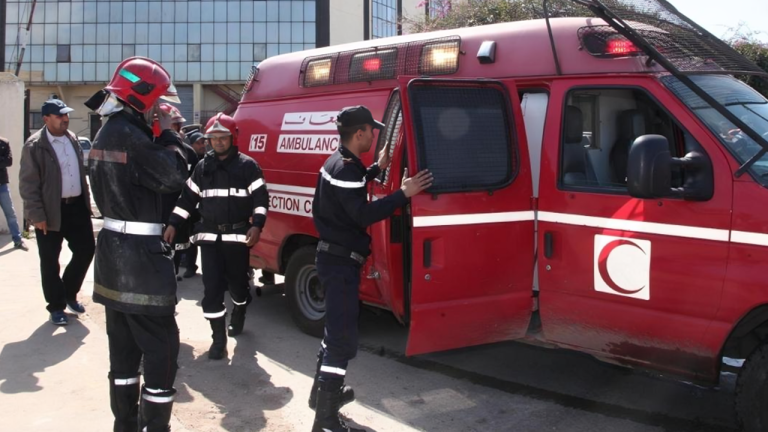
This system aims to ensure a rapid transition from weather warnings issued by the General Directorate of Meteorology to practical field actions, allowing for timely intervention to protect lives and property, secure vital infrastructure, ensure the continuity of essential services, and then work to restore normal operations as soon as possible.
A risk map was also adopted to identify priority communes and areas, determine the location of resources and equipment, and guide reconnaissance teams, in addition to mobilizing intervention teams and keeping reserve resources and units ready to intervene in case the situation worsens or exceeds local capacities.
Vulnerable groups, douars, and isolated areas received special attention within the planned measures, with emphasis on ensuring the safety of residents, facilitating access to health facilities and essential services, and ensuring the continuity of movement, especially in areas that may be affected by snowfall or floods.
On the logistical level, the available resources for enhancing monitoring and tracking of precipitation in various regions of the province were reviewed, given the recorded variations in the nature and quantities of rainfall and snowfall, in addition to the readiness to utilize various machinery and equipment available from public sectors, as well as mobilizing private resources when needed.
The readiness of shelter centers affiliated with the education, youth, and national solidarity sectors was also assessed. These centers, numbering 48, have a capacity of approximately 3715 beds, providing additional support for interventions aimed at protecting individuals who may find themselves isolated or facing mobility difficulties during periods of severe weather.
At the end of the meeting, the governor of Safi province stressed the need to raise the level of vigilance and preparedness, enhance coordination and communication among all stakeholders, and adopt an approach based on anticipation, prevention, and rapid intervention, to ensure the protection of lives and property and reduce the impact of natural risks.
The governor emphasized that confronting weather fluctuations and severe conditions requires continuous mobilization and an integrated intervention system, characterized by constant vigilance, prior preparation, and field coordination, while ensuring the continuity of essential facilities and services and a return to normal conditions as soon as possible.