HIBAPRESS – Abdelatif Barka
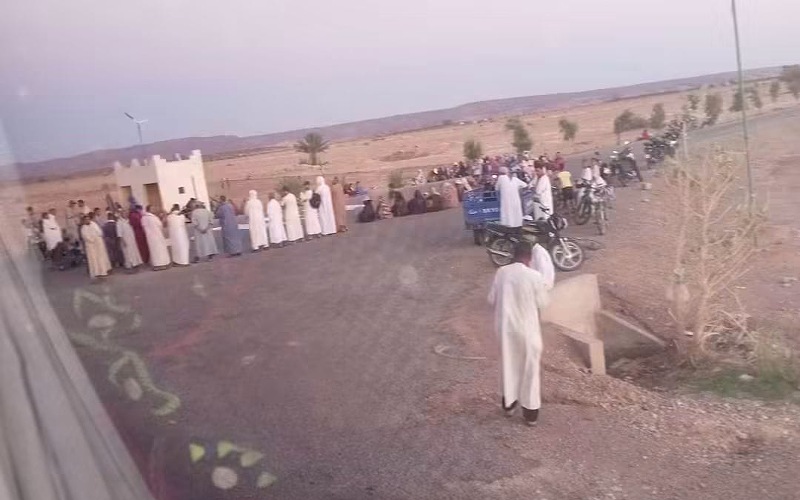
The protests of the residents of Igdi in the Tata province continue, amidst escalating demands for improving health services and putting an end to the imbalances plaguing the region's health system, amid growing anger and resentment over the difficulties patients face in accessing treatment and emergency care.
These protests bring to the forefront the suffering of broad segments of citizens, especially pregnant women, victims of snakebites, poisoning, and traffic accidents, as well as patients who require medical examinations and specializations that are not adequately available. These situations raise questions about the readiness of the provincial hospital and local health centers to respond to emergencies and guarantee the right to treatment.
The residents' demands are not limited to promises or the announcement of projects and budgets, but are primarily focused on providing the necessary medical staff and equipment, improving the quality of services, and speeding up patient care, in a way that preserves the dignity of citizens and limits the risks to their lives.
These protests confirm that the right to health can no longer be postponed, and that responding to the demands of the residents of Igdi and Tata in general requires a responsible action to address the shortcomings, link responsibility with accountability, and ensure health services that meet the actual needs of citizens, far from mere announcements.
Amidst the continuation of protests and the increasing demands, the challenge facing the concerned authorities is to transform the right to treatment from a demand raised by citizens in the street into a tangible service that saves lives and preserves the dignity of patients.