HIBAPRESS – Khalil Fezzazi
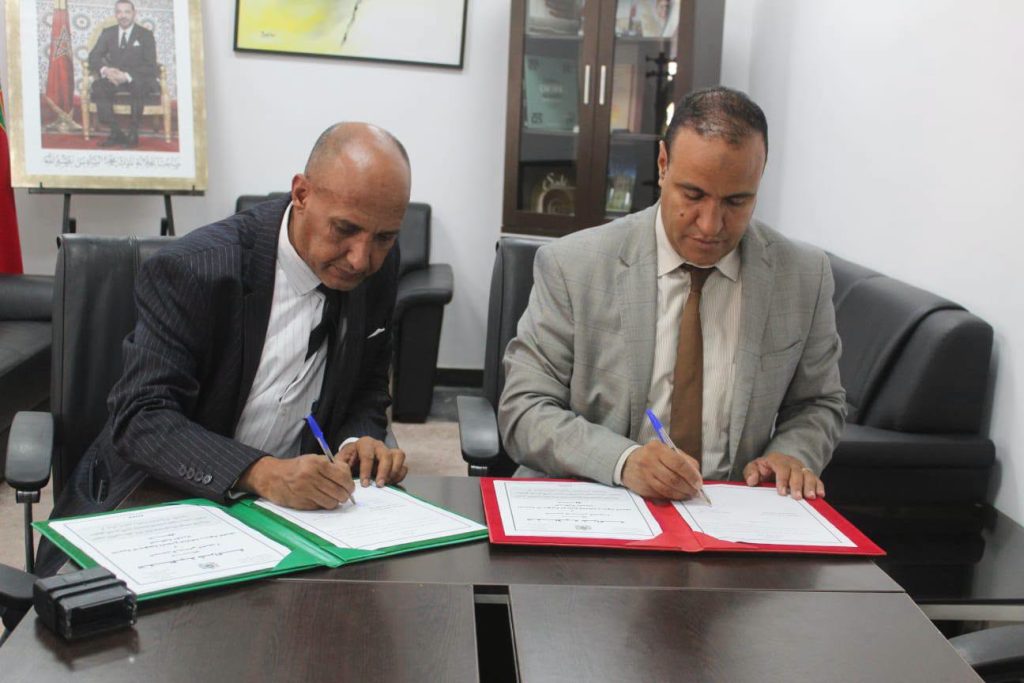
In a move aimed at strengthening the role of culture in rehabilitation and social reintegration, a partnership agreement was signed on Monday, October 19, 2026, at the headquarters of the local prison Laayoune 2, between the Regional Directorate of the Ministry of Culture in the Laayoune-Sakia El Hamra region and the prison administration. The agreement aims to develop cooperation in cultural and artistic mentoring for beneficiaries of alternative sanctions.
This agreement aims to implement the provisions of Law No. 43.22 concerning alternative sanctions, by establishing cooperation mechanisms between the two institutions. This will allow for the utilization of cultural and artistic activities to support rehabilitation paths, instill values of citizenship and responsibility, and enhance opportunities for social integration.
This step is a culmination of a history of cooperation between the two parties, which has previously resulted in the organization of a series of cultural and artistic activities for the inmates of the prison. This is within a framework that aims to make culture a driving force for training and rehabilitation, and a means to contribute to building new paths for social integration.
This partnership is also based on the experience accumulated by both parties in implementing alternative sanctions at the "Al-Wifaq" reading point. According to the provided data, this experience demonstrated the potential of utilizing cultural spaces to support beneficiaries of these sanctions and provide them with opportunities to participate in activities with cultural, educational, and social dimensions.
This agreement will open broader horizons for developing joint initiatives between the Ministry of Culture and the administration of the local prison Laayoune 2, and expand the fields of artistic and cultural mentoring. This will enhance the integration between cultural work and efforts aimed at rehabilitation and reintegration.
This initiative highlights the importance of institutional partnerships in activating the reformative dimensions of alternative sanctions. It does so through approaches that go beyond the punitive aspect to include rehabilitation, skill acquisition, and the instillation of responsible behavior, all of which serve social reintegration.