HIBAPRESS
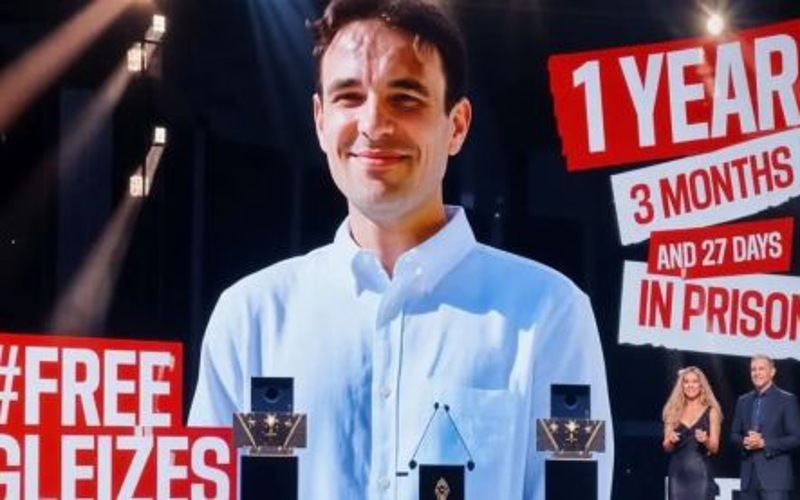
The sparkle of the 2026 Ballon d'Or has revealed another facet of the Algerian scene, as the case of French journalist Christophe Glez, imprisoned in Algeria, resurfaced through a message of solidarity addressed to him during the ceremony. This moment transcended the boundaries of sports to shed light on the reality of press freedom and freedom of expression.
While the world's eyes were gathered to celebrate the brightest stars of football, French star Thierry Henry raised the issue of the French journalist's arrest, exposing the Algerian regime in a moment of solidarity and a rejection of the suppression of freedoms.
This gesture has once again highlighted the case of a French journalist imprisoned in Algeria and raised questions about the Algerian authorities' handling of media freedom and journalists' right to practice their profession.
This case places the Algerian regime under criticism regarding its respect for freedoms, especially since press freedom is not a privilege that authorities grant whenever they wish, but rather a fundamental right that requires protection and guarantee.
Furthermore, the imprisonment of journalists opens the door to a serious discussion about the limits of power, media independence, and the public's right to access information.
Christophe Glez's case can no longer be confined to its narrow judicial framework, as it has become an occasion to re-pose embarrassing questions about the reality of freedoms in Algeria. When the case of an imprisoned journalist reaches a global forum like the Ballon d'Or, the message transcends the individual concerned to affect the country's image and the credibility of its discourse on rights and freedoms.
Thus, a moment of solidarity at an international football ceremony has become a reminder that the sparkle of awards does not hide human rights issues, and that respect for press freedom remains a fundamental standard for measuring a country's commitment to human rights. Christophe Glez's case remains a title for a discussion that transcends the boundaries of stadiums, placing the responsibility of protecting journalists and their rights at the forefront of attention.