This article was automatically translated from HIBAPRESS, the Arabic version:
This article was automatically translated from HIBAPRESS, the Arabic version:
Heba Press – Oujda
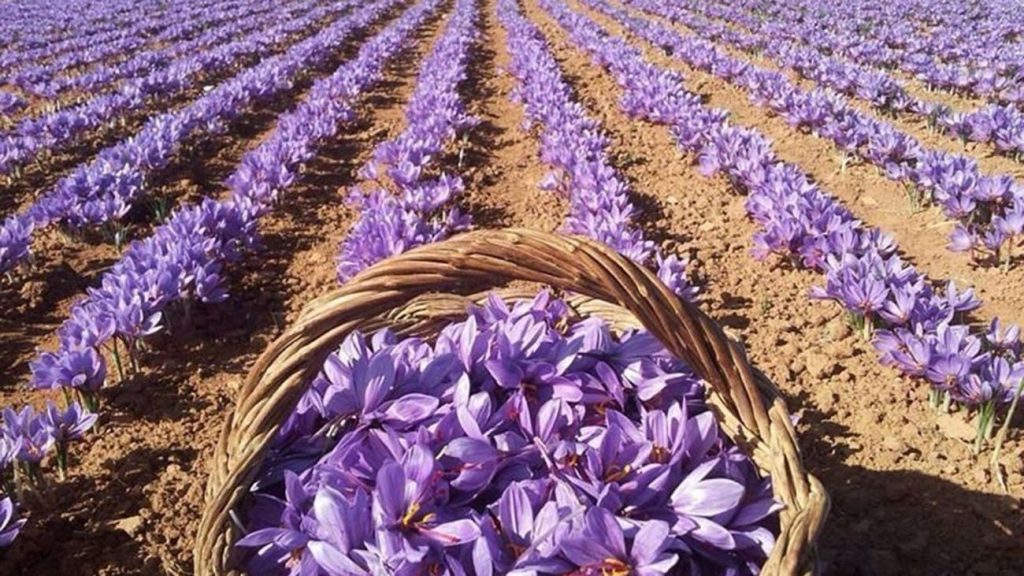
The Berkane region is witnessing an innovative experiment in the agricultural field, where the cultivation of drought-resistant saffron is being tested, in light of current climatic challenges. This experience is considered a new step towards the adoption of sustainable alternative crops, in addition to the success of quinoa cultivation, which has proven its feasibility in the region.
This initiative is implemented in the mountains of Beni Yaznassen, with the participation of a group of young farmers, including a graduate from the family home in the village of Beni Yaznassen (2012-2013 cohort), where these farmers manage a model farm saffron. This experience aims to promote economic and social development in rural areas by offering new employment opportunities, particularly for women and young people.
This initiative embodies one of the strategic objectives of Generation Green, which seeks to improve quality of life and support drought-resistant agriculture. In this context, the efforts of the village family house are integrated with those of local cooperatives to qualify farmers and strengthen their skills in the agricultural sector.
The main objectives of this experiment are to propose alternative agriculture capable of improving the income of local farmers, as well as providing effective solutions to the climatic challenges they face. The initiative aims to improve the sustainability of the agricultural sector in the region and provide stable sources of income for village communities.
Emphasis is also placed on the role of the initiative in training young people from rural areas, where they have the opportunity to acquire skills in modern agriculture, which contributes to their integration into professional life and to the provision of sustainable employment opportunities, particularly in the agricultural sector. areas of advanced agriculture compatible with current environmental challenges.
Saffron cultivation is one of the most promising projects in the region, as it is expected to contribute to the diversification of agricultural production, which improves economic opportunities in the east and contributes to the adaptation of farmers to climate change , thus providing sustainable solutions that meet needs. of the agricultural community.