This article was automatically translated from HIBAPRESS, the Arabic version:
This article was automatically translated from HIBAPRESS, the Arabic version:
Tariq Abla from the Netherlands
December 25, known as Kerstmas, is one of the most important festive days in the Netherlands.
It is a day that celebrates love and peace, and brings together diverse families and traditions, with a distinctive imprint added by different communities, notably the Moroccan community.
Over time, Christmas has become a global occasion that embodies the values of giving, solidarity and family.
This holiday is distinguished by many traditions, such as the Christmas tree decorated with lights and bright colors, the exchange of gifts between loved ones and Christmas carols which add a special atmosphere, as well as seasonal foods such as grilled meats and sweets (puddings). and cakes).
In the Netherlands, Christmas has a distinctive character that combines traditional celebrations with modernity and represents an opportunity for everyone, regardless of their origin, to come together and celebrate.
This day is considered the ultimate family day, as families gather at home around the Christmas tree or at distinctive restaurants to eat special meals.
Today, there are also many traditional activities, including the family dinner, considered the most important event, and the presentation of delicious dishes such as “Gourmetten”, which are dishes cooked directly on the table with the participation of all members of the family.
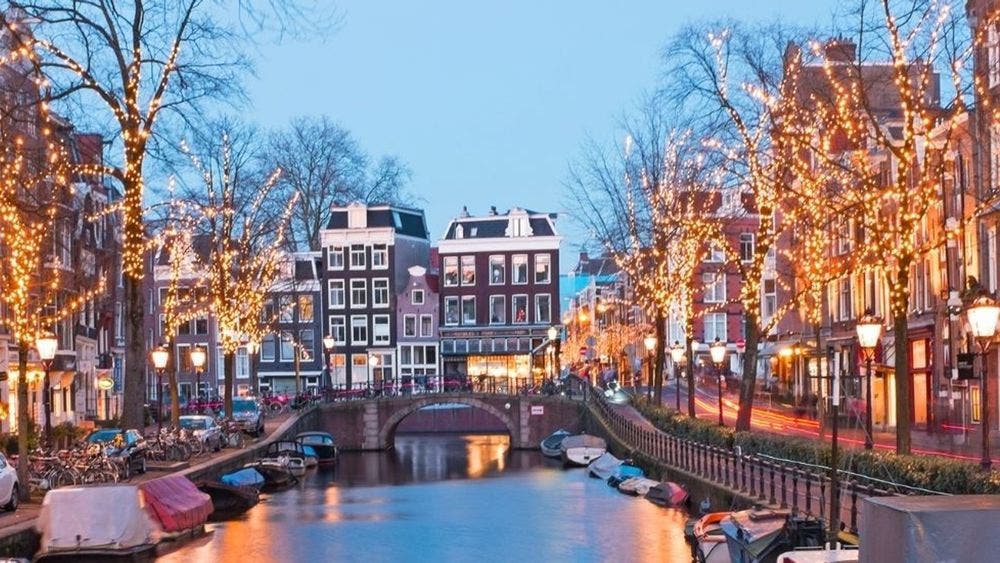
Some Dutch people also celebrate it in churches, because it symbolizes the spiritual side of Christmas. Many people take advantage of this day to visit parks or visit Christmas markets decorated with lights and wooden huts.
For the Moroccan community in the Netherlands, Christmas is an opportunity to enrich the celebration with its own cultural character.
Although this occasion is not part of authentic Moroccan traditions, Moroccans living in the Netherlands participate in the festive atmosphere in their own way, creating a rich cultural mix.
Christmas is a golden opportunity for Moroccan families to come together, as gatherings include Moroccan dishes such as tagine and couscous, in addition to Dutch dishes.
You can also find them participating in Christmas markets displaying their traditional products, such as artisanal Moroccan treats and Moroccan tea, which adds an oriental dimension to the atmosphere.
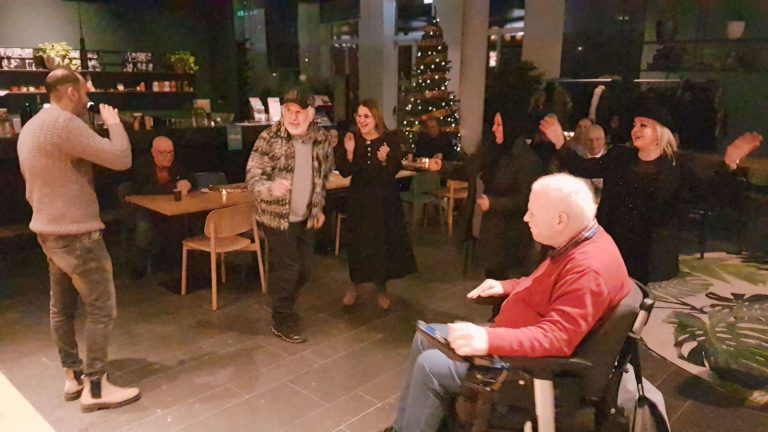
Moroccan associations also organize musical and cultural events during the holiday period, including Andalusian and popular music performances.
Christmas coincides with the New Year holidays, making it an ideal opportunity for Moroccan families to organize extended reunions or even travel to the “homeland” of Morocco to visit relatives, while others organize family celebrations mixing Moroccan and Dutch heritage.
What sets Christmas in the Netherlands apart is its inclusive spirit that celebrates cultural diversity. It is not simply a religious celebration, but rather a social event that welcomes everyone and allows each individual or community to express their cultural identity within an overall framework of love and respect.
The Moroccan community, as usual, with its contribution to the celebrations, shows how common events can constitute a bridge between cultures. Whether you are Dutch or Moroccan, Muslim or Christian, December 25 in the Netherlands embodies the idea that holidays are an opportunity to unite hearts and spread joy. Under the Christmas tree, with the lights decorating the streets and markets, everyone finds a space to reflect and celebrate the spirit of generosity.