This article was automatically translated from HIBAPRESS, the Arabic version:
This article was automatically translated from HIBAPRESS, the Arabic version:
Heba Press – Abdel Latif Baraka
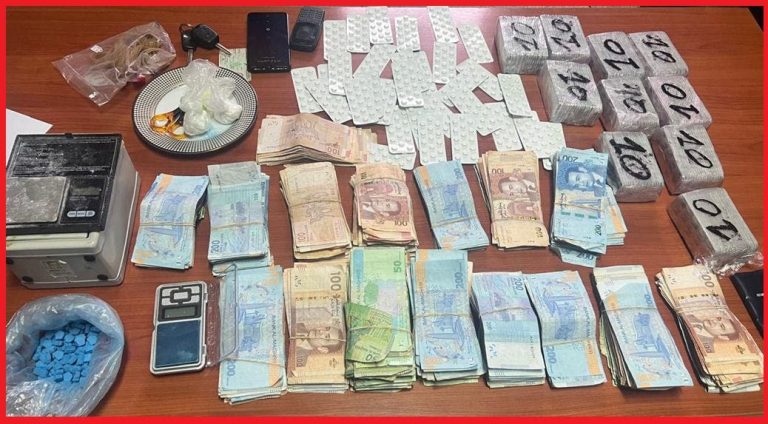
Money laundering is the process of legitimizing money from illegal activities and poses a serious threat to the national economy and society as a whole.
In Morocco, efforts continue to combat this phenomenon which negatively affects economic development and undermines confidence in the national financial system.
In 2024, efforts to eliminate money laundering have seen remarkable development, with an escalation in the number of complaints filed and international attention brought to the phenomenon.
– Fight against money laundering in Morocco
As part of the Public Prosecutor’s Office’s policy to combat financial corruption, the Office of the Public Prosecutor’s Office has intensified its work to combat money laundering.
It received 12 reports from the High Council of Accounts in 2024, which resulted in the opening of expanded investigations into a number of cases linked to this type of financial crime.
The specialized courts of first instance also registered 801 cases related to money laundering during the same year, reflecting the effective efforts made to contain this phenomenon at the judicial level.
– The impact of money laundering on the national economy
Money laundering greatly affects the Moroccan economy, distorting economic growth and encouraging the expansion of the informal sector.
Financial analysts show that money laundering leads to imbalances in real estate and financial markets, in addition to negative impacts on the government’s ability to collect taxes.
In this context, one of the financial analysts, Al-Fathawi, explains that money laundering contributes to the increasing use of cash, which makes it difficult to track money and increases the risks of tax evasion.
He also points out that many businesses funded by laundered money may be fake, harming the local economy and preventing financial justice.
The economist adds that laundered money tends to invest in luxury real estate, cars or yachts, which drives up prices in these sectors excessively.
This, in turn, makes it difficult to obtain real estate and makes investments in these areas expensive, thereby limiting the opportunities for new job creation.
– Economic challenges associated with money laundering
One of the most significant economic challenges posed by the phenomenon of money laundering is its impact on financial inclusion, as laundered money contributes to increasing inflation and reducing the purchasing power of citizens.
Studies show that money laundering hinders the entry of legitimate funds into the financial system, leading to a decline in real economic activity.
The financial expert confirms that these illegal activities contribute to distorting the market and strengthening the hold of mafias on the national economy, which affects the stability of the financial market.
Money laundering also contributes to the “smuggling” of national wealth, as estimates indicate that these activities represent a loss of approximately 30% of gross domestic product.
Despite the improvements seen in the Moroccan judicial system in handling these cases, the phenomenon remains a major threat to the stability of the economy, which requires continued efforts to combat it.
– International Efforts to Combat Money Laundering
International cooperation is one of the essential elements in the fight against money laundering.
Morocco, by signing numerous international agreements, seeks to strengthen the legal framework to fight against this economic crime.
Among these agreements is the 1988 United Nations Convention, which aims to coordinate efforts between countries to combat drug trafficking and money laundering resulting from illegal activities.
It also highlights the Global Economic Action Committee, which works to strengthen banking laws helping to detect suspicious transactions.
Money laundering remains not only a legal, but also an economic challenge. This leads to wealth smuggling and reduces the effectiveness of economic policies, while weakening state institutions in the face of corruption.
Therefore, continued government efforts and international cooperation are the only way to reduce this phenomenon and maintain economic stability in Morocco.