This article was automatically translated from HIBAPRESS, the Arabic version:
This article was automatically translated from Hibapress, the Arabic version:
Heba Press – Rabat
Today, Thursday, in Rabat, a framework agreement linked to a program to support and follow the chambers of traditional industry and its university, aimed at strengthening the role of the location of these rooms as a major partner in the development and implementation of programs development for the traditional industrial sector.
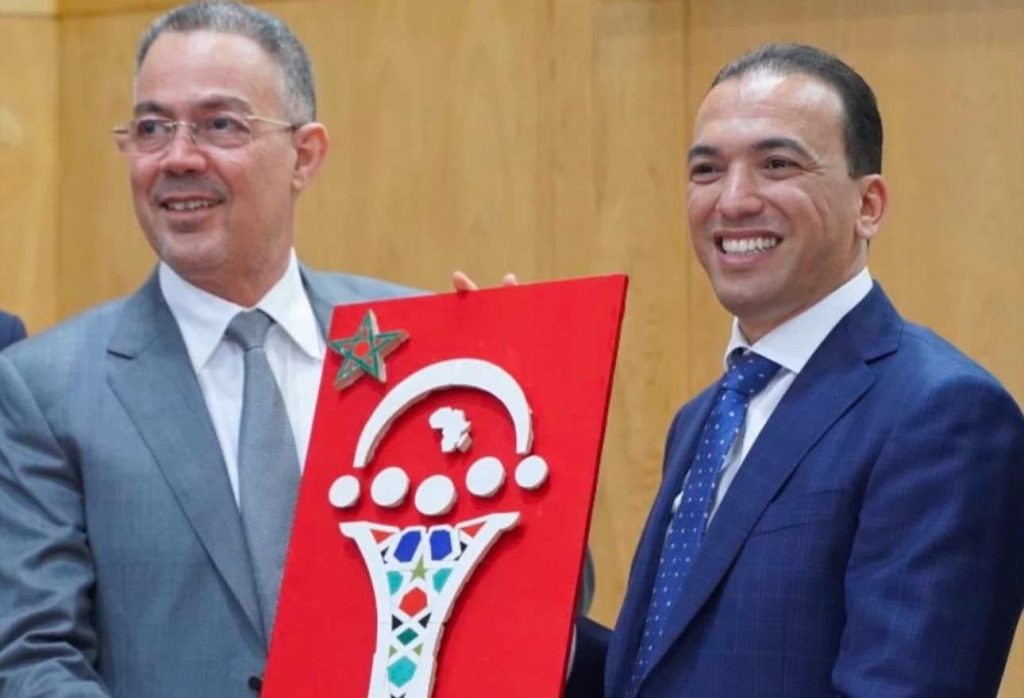
The framework was signed by the Minister Delegate to the Minister of the Economy and Finance, in charge of the Budget, Fawzi Lakjaa, State writer in charge of traditional industry and social economy and solidarity, Lahcen Al -Saadi, president of the University of the University of the University of Crafts, Ladies Shakaf and the Director General of DAR Al -Sanea Foundation, Tariq Siddiq, and the chiefs of traditional industry.
This agreement is based on axes of concern to a series of procedures which interest the download and structuring of traditional manufacturers as part of crafts, and continue to download the workshops of the national register for crafts and health coverage.
It is also linked to improving the quality of production, the supply of raw materials, the modernization of means and production tools, improving initial training, improvement of capacities and The ratification of the gains of the professional experience of the industries, as well as the participation in programs to maintain craftsmanship endangered.
In addition, the aforementioned agreement aims to qualify infrastructure and improve the governance of its management, to revitalize the products and services of the social economy and solidarity and to strengthen the capacities of actors, and to improve marketing efforts And to promote traditional industry products at the national and international level.
In a speech, by the way, Qaja stressed that the conclusion of this agreement – the framework is a continuation of the framework of modernization of this sector for the years to come.
He highlighted the main role played by traditional industry in economic and social fields, because it is an important source of employment and income for many families.
He added that this sector is a major pillar of the cultural and historical heritage of the kingdom, because it reflects its old identity and its skills.
For its part, Al -Saadi explained that this agreement would allow the traditional industrial sector to play its complete role in preserving national culture and identity.
And he said that he would also help continue to download social coverage workshops, develop training and improve the quality and services of traditional industry.
Al -SaAdi reaffirmed the commitment of the writing of the State in charge of traditional industry, social economy and solidarity and the chambers of traditional industry to support government initiatives, all the more More than the main demonstrations are approaching, such as the Cup of Nations of the African Nations (KAN) that Morocco is preparing to embrace.
In turn, Shakaf stressed that the work-work agreement will strengthen the traditional industrial sector, increase the quality of services and strengthen the role of traditional industry rooms.
He underlined the commitment of the rooms to keep the pace of the government in its efforts to develop and modernize this sector.
This agreement is the first of its kind, because the traditional industry rooms will allow the development of work programs which are in the same development trend as the writing of the State in charge of traditional industry in order to restructure and to develop the sector by adopting the system of systems in the development of the different branches of the traditional industry.