This article was automatically translated from HIBAPRESS, the Arabic version:
Hibapress-Rabatdd
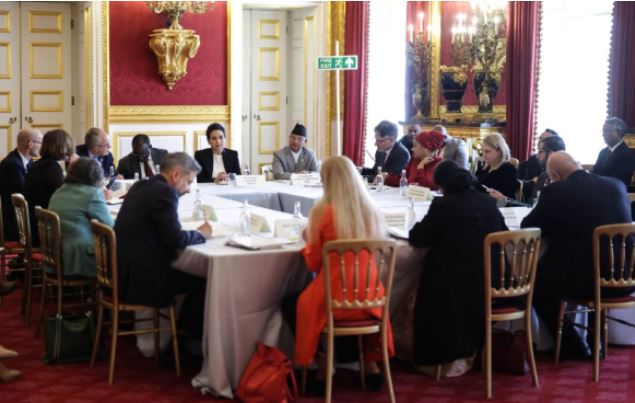
The Minister of Energy Transition and Sustainable Development, Leila Benali, took part, the day before yesterday in London on Friday, at a ministerial round table devoted to the problem of water safety in the context of climate change and the challenges of sustainable development.
Speaking during this meeting, chaired by the Baroness Chapman, British Minister for International Development, Ms. Benali stressed that Morocco has made sustainable development a “strategic choice” under the leadership of His Majesty King Mohammed VI.
In this context, it recalled the new development plan, which has erected the question of sustainable development in priority in the Moroccan roadmap which is betting on a balance between economic development and preservation of the environment.
The question of water and the preservation of this vital resource occupies a central place within the framework of the development strategy of Morocco, observed the minister, recalling the measures taken by Morocco for better management of its water resources, citing in particular water highways.
Morocco’s action turns out to be fundamental, especially since the country is exposed to the risks of drought, which requires constant and continuous action to meet the challenges of climatic hazards, continued Ms. Benali.
The Minister did not fail to highlight the avant-garde role that the Kingdom plays on the questions of sustainable development and the fight against climate change at the continental and international level.
Morocco remains resolutely committed to acting international cooperation which places sustainable development and environmental protection at the heart of its agenda.
Morocco was the only North African country invited to take part in this meeting, gathered on the initiative of Wateraid, an NGO placed under the patronage of King Charles III and which works in favor of sustainable development and environmental protection.
The meeting, marked by the participation of representatives of international organizations, was an opportunity to examine several questions relating in particular to the means to ensure better water management in the context of climate change.
Strengthening the economic stability of countries and the protection of vulnerable populations to climate change were also on the menu for debates.