Heba Press – Rabat
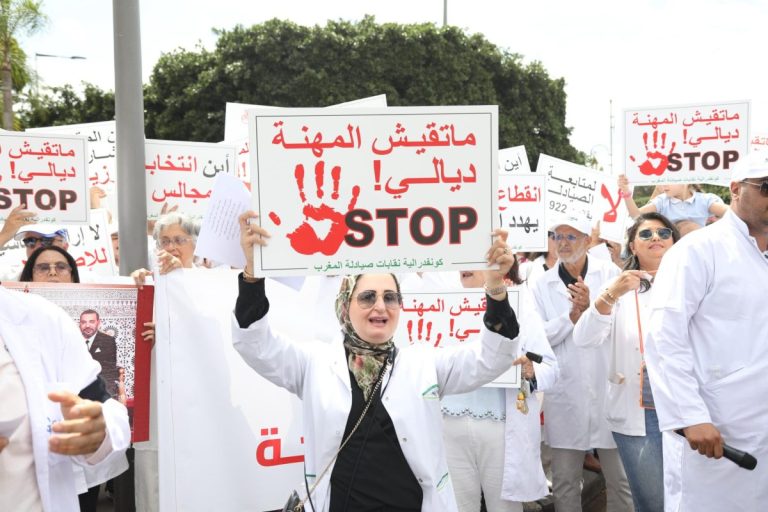
International expert in fisheries and aquaculture, Dr. Mohamed Badir, considers Morocco’s fishing sector a cornerstone of the national economy and a strong driver of the African blue economy. He emphasized that claims of the sector’s “collapse” lack accurate scientific data, ignoring ongoing efforts and structural reforms despite significant challenges.
Dr. Badir, former professor at the Hassan II Agronomic and Veterinary Institute and UN expert, explained that Morocco’s current fisheries policies are based on solid scientific foundations, thanks to field studies conducted by the National Institute of Fisheries Research, supported by highly skilled national professionals and advanced research equipment, including specialized vessels and regional centers.
He pointed out that the regulations ensure the sustainability of fish stocks through practical measures including biological rest periods, catch quotas based on the type of fishery, prohibition of certain destructive fishing gear, satellite monitoring (VMS) to prevent illegal fishing, and the creation of marine protected areas to safeguard threatened species.
The expert affirmed the sector’s promising future, particularly after Morocco, for the first time, signed agreements to export fish to the American market, the largest and most stringent in quality standards globally. He considered this a “qualitative leap reflecting the significant efforts made in enhancement, quality, and control.”
Numerous advanced countries and specialized international bodies, including the US National Oceanic and Atmospheric Administration (NOAA), the Food and Agriculture Organization (FAO), the International Commission for the Conservation of Atlantic Tunas (ICCAT), and the European Fisheries Control Agency, have consistently acknowledged that Moroccan fisheries meet international standards in terms of monitoring, conservation of marine species, product quality, legal framework, and the adoption of measures to protect fish stocks.
Dr. Badir also recommended expanding the use of modern techniques such as Individual Quick Freezing (IQF), which facilitates access to global markets, particularly in North America and Europe. He emphasized that this type of enhancement will allow for the marketing of sardines and mackerel at higher prices, boosting foreign currency earnings and supporting local food security.
The expert addressed Morocco’s experience in managing sensitive fisheries like octopus, where the number of boats was significantly reduced, fishing areas and the number of tools used were limited, which helped restore stock balance.
He also highlighted the ministry’s move towards replacing plastic fishing vessels with earthenware ones in octopus fisheries. This will reduce plastic pollution and enhance the attractiveness of Moroccan products in international markets, a measure actively promoted by the Secretary of State in charge of Fisheries.
Dr. Badir noted that efforts in fisheries monitoring have led to a qualitative leap in combating illegal, unreported, and unregulated (IUU) fishing. Morocco is now ranked among the advanced countries in this field, thanks to the implementation of the national monitoring program covering all Moroccan coasts and satellite monitoring of fishing vessels. The positive evolution of production and export indicators is clear evidence of the monitoring system’s effectiveness. Fish production by volume saw an average annual growth of 1.7% between 2010 and 2023, rising from 1.14 million tons to 1.42 million tons; fish production value saw an average annual growth of 6.6% between 2010 and 2023, rising from 6.7 billion dirhams to 15.2 billion dirhams; and exports by value saw an average annual growth of 6.7% between 2010 and 2023, rising from 13.2 billion dirhams to 31 billion dirhams.
In conclusion, Dr. Badir expressed optimism about the sector’s future, emphasizing that Morocco possesses the skills and mechanisms to ensure sustainable fishing, despite some challenges related to climate change or illegal practices by a minority of operators.
This vision is supported by recent data on the Moroccan fisheries sector, which provides 264,000 direct jobs and about 650,000 indirect jobs, and contributed to exports worth 28.8 billion dirhams in 2024, equivalent to 6% of total national exports.
It is noteworthy that the coverage of fisheries with management plans increased from 5% in 2009 to 96% in 2020, confirming Morocco’s success, according to Ministry of Fisheries statistics, in establishing an approach based on sustainable development and the protection of marine resources.
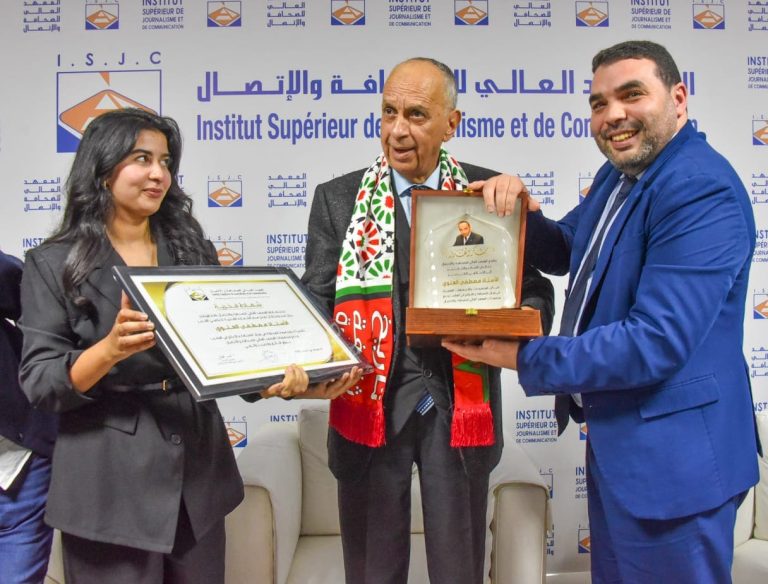
Dr. Mohamed Badir holds a PhD in Biological Sciences and Ocean Fish Stock Assessment from the University of Michigan, USA, a top-ranked university. He also holds two master’s degrees: one in Fisheries Industries from Rennes, France (1979), and a State Engineering degree in Aquaculture from the Hassan II Agronomic and Veterinary Institute in Rabat (1980).
He held several positions, including university professor at the Hassan II Agronomic and Veterinary Institute and international expert for 20 years, overseeing several successful development projects in fisheries and aquaculture in several African and Middle Eastern countries with the International Fund for Agricultural Development (IFAD). He also studied at HEC Montreal in Canada.