HIBAPRESS
After a full decade of in-depth investigations, the Spanish judiciary is about to close the curtain on one of the largest international corruption scandals that exposed the hidden aspects of vital projects in Algeria that turned into dens of looting and commissions.
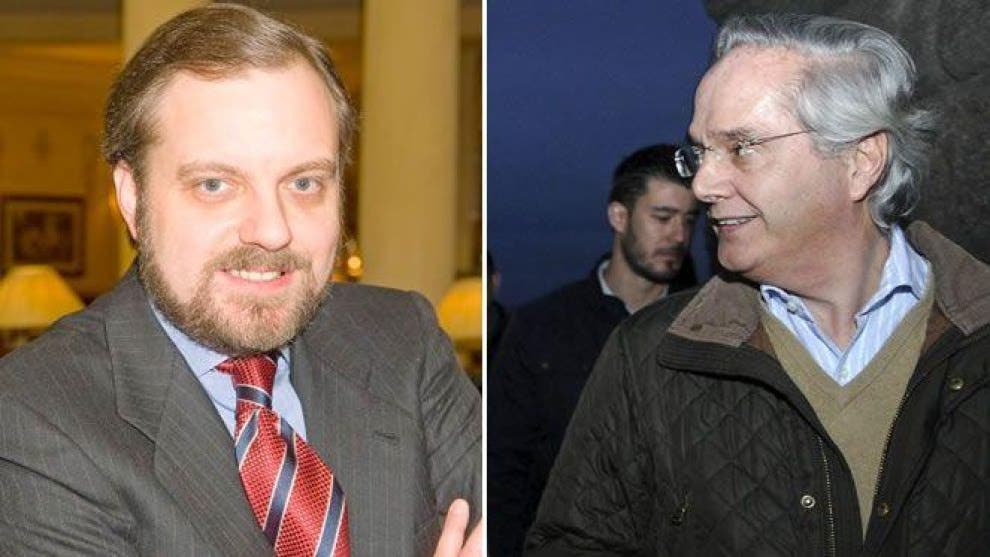
Heavy sentences are expected against two Spanish parliamentarians. The Spanish Public Prosecutor has requested heavy sentences of up to 18 years in prison against former deputies from the Popular Party, Pedro Gómez de la Serna and Gustavo de Arístegui, on charges of bribery and money laundering. The case, which erupted in 2015, quickly turned into a massive international file supported by hundreds of documents and electronic correspondence, revealing an organized corruption network that facilitated Spanish companies to secure deals worth billions of dirhams, exceeding 480 million euros. The two political officials established a consulting front called "Voltar Lassen" and played the dark intermediary role in passing huge contracts to major companies like "Elecnor," in exchange for secret commissions. The projects, which were supposed to raise the level of development in Algeria – from the desalination plant of Souk El Tleta in Tlemcen to the Ouargla tramway – turned into a mere cover for the disposal of bribes and the smuggling of money through shell companies distributed between Switzerland, the Netherlands, Dubai, and the British Virgin Islands. Investigations by the Spanish judiciary uncovered a complex network that includes influential Algerian names, including the former Director General of Energy Abdelaziz Natouri, the head of the tramway project Ismail Gherich, and even a former translator in the presidency of the republic named Zein Hashishi, all of whom are involved in suspicious deals and the acquisition of luxury real estate with money looted from the Algerian people. The scandal did not stop at the borders of Madrid, as investigations expanded through international judicial mandates that affected Algeria, Europe, and the Gulf, while the Algerian authorities remained silent, as if the matter did not concern them. No judicial follow-up or accountability, despite the overwhelming evidence revealed by the Spanish courts one after another. This suspicious silence reflects a clear complicity and exposes a system that has made development projects a means of enriching corruption networks instead of serving the citizen. The Spanish judiciary did not exempt the giant companies from responsibility, as it demanded that they pay fines that may exceed 36 million euros due to "serious gaps" in internal monitoring systems, and also pursued five foreign managers on charges of forgery and money laundering. This case is no longer just a financial scandal, but has become a mirror reflecting the fragility of the control and transparency systems in Algeria, and raises a question that imposes itself: How long will official silence remain the only response to scandals that waste the wealth of Algerians and expose the failure of the generals' regime?