HIBAPRESS – Abdellatif Baraka
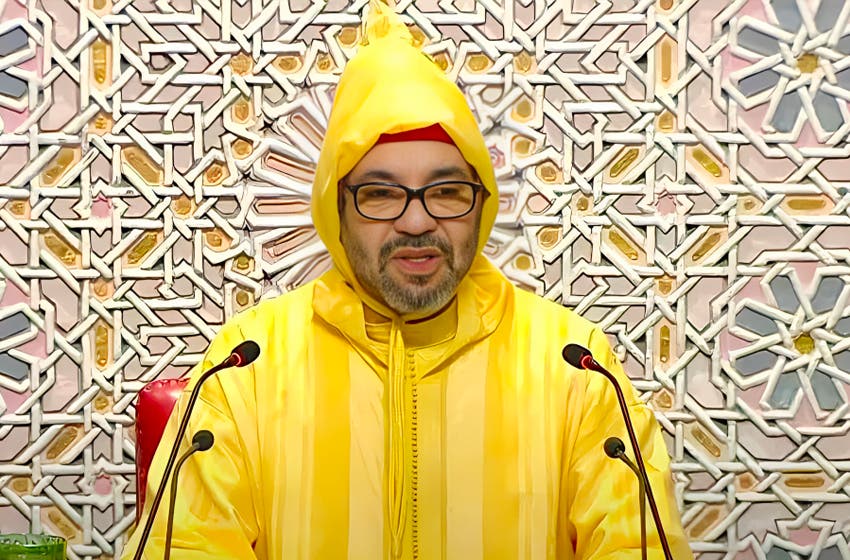
In a royal speech that carried within its lines the spirit of deep reform and collective responsibility, King Mohammed VI directed a clear call to all components of the state and society for a comprehensive national mobilization, to support the Moroccan development project and push it towards wider horizons of achievement, regional and social justice.
The royal call before the two chambers of parliament was not a linguistic courtesy nor a repetition of political truisms, but rather a clear declaration that the time of intentions is over, and that the historical moment that Morocco is going through requires real engagement from everyone, each from their position.
– Comprehensive Engagement: No one is outside the circle of responsibility
The most prominent feature of this call is that it was not directed to a specific party, but included political parties, elected councils, civil society, and the media. It is an eloquent message that indicates that the development locomotive cannot be pulled by one party, but needs coordination and integration in performance and tasks.
Political parties are called upon to move out of the logic of small conflicts towards formulating real visions that touch reality, and elected councils are required to overcome factional calculations towards serving citizens. As for the media, it has been assigned an essential role in accompaniment, awareness, and accountability.
– A culture of results instead of the logic of justification
Among the central messages in this royal guidance is the emphasis on the necessity of establishing a culture of results. This is an indication that public policies must be measured by their impact on people's lives, not by the number of promises they make or the memos that accompany them.
It is a call to break with the culture of justification and complaint, and to engage in a new dynamic titled "effectiveness, efficiency, and linking responsibility with accountability".
– Active citizenship: From spectator to partner
The royal speech also opens the door to redefining the relationship between the citizen and the state. The Moroccan citizen is no longer just a recipient of policies, but is called upon to be an actor, partner and contributor in evaluating public performance, and in advocating for his local and regional issues.
It is a smart indication that development is not only the responsibility of the government, but is a societal issue in which roles and responsibilities intersect.