HIBAPRESS
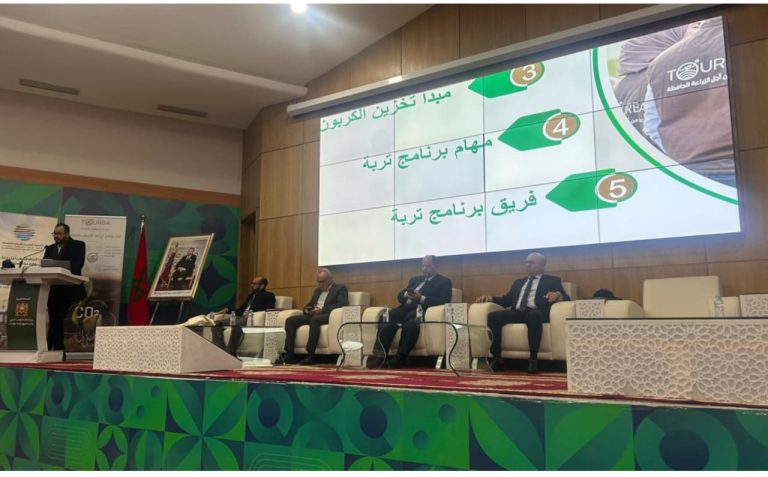
The second edition of the Morocco Avocado Conference was held yesterday, Tuesday, in Larache, which was an opportunity to discuss the reality and prospects for the development of this promising agriculture.
This conference, organized on the initiative of the Moroccan Avocado Association, is considered a strategic event that brings together various actors in the avocado production and distribution chain, including producers, exporters, logistics providers, distributors, decision-makers, representatives of relevant institutions, and international experts. The organizers highlighted that the Morocco Avocado Conference is a platform for exchange and a space for professional meetings to enhance cooperation and partnerships, and a space for thinking and innovation to address the major challenges of the sector in the areas of productivity, logistics, environmental standards, and the study of global market trends, in addition to being a tool to enhance the international radiance of Moroccan avocados as a leading producing country and a supporter of the growth of this sector. Abdullah Al-Yimlaahi, the president of the organizing association, said that the summit's convening came as a result of a major discussion about the avocado cultivation and export sector, with the aim of examining its economic and social impact, and studying everything related to the sustainability of agriculture, especially what relates to environmental protection and rationalizing water consumption. He pointed out that the discussions will be distributed around axes, represented by the Kingdom's competitiveness in the avocado sector compared to major producers in the world such as Chile, Peru, Colombia, and Mexico, highlighting that all countries are keen to give a high value to their national products and serve their image as a leading country in this sector worldwide. In the same context, Al-Yimlaahi added, in a statement to the Moroccan News Agency, that the second axis is represented in exploring ways to increase production without increasing the planted areas, explaining that the third axis relates to sustainability in terms of rationalizing the consumption of water resources, and also respecting social standards. Al-Yimlaahi pointed out that the sector currently employs about 40,000 people, between producing farms and packaging and export units, adding that avocado exports contribute to bringing in financial revenues in hard currency of approximately 350 million euros, which is expected to reach half a billion euros in the coming years, which contributes to ensuring a balanced trade balance. For his part, Alberto Alejandro Rodriguez, the Chilean ambassador to Morocco, confirmed that Morocco and Chile can develop joint agricultural products in a number of promising crops, such as avocados, small red fruits, and dried fruits, highlighting that the exports of these sectors generate significant revenues for his country. The interveners discussed the challenges of local production, innovation, and the sustainability of agricultural practices, and the prospects for the global market, through expert analyses, exchange of experiences, and exploration of effective solutions to enhance the competitiveness of all components of the sector.