HIBAPRESS – Rabat
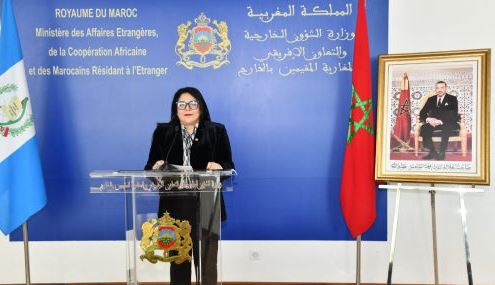
Zakia Deriouiche, Secretary of State to the Minister of Agriculture, Rural Development, Water and Forests in charge of Fisheries, officially launched the work of the international scientific workshop held under the theme: "Small Pelagic Fish in the Face of Climate Constraints and Overfishing, Towards Flexible and Sustainable Management" on Thursday, October 16, 2025, in Rabat.
The organization of this workshop, which will last for two days, comes within the framework of strengthening scientific thinking on ways to sustain fish resources, especially small pelagic fisheries, in light of the increasing pressures resulting from excessive fishing effort and the effects of climate change. This event was organized on the initiative of the Secretariat of State for Fisheries and in partnership with the National Institute for Fisheries Research (INRH), with the participation of a select group of experts, scientists, decision-makers, representatives of international and regional organizations, as well as professionals in the sector, heads of chambers of fisheries, and professional organizations.
In her opening speech, Zakia Deriouiche affirmed that this meeting falls within the framework of the high vision of His Majesty King Mohammed VI, may God protect him, aimed at protecting the oceans and preserving their wealth for the benefit of current and future generations. She stressed the strategic importance of small pelagic fish in achieving global food security, preserving marine ecosystems, and developing the blue economy, noting that these species represent about 40 percent of the total global catch and are a major source of protein for more than 2.5 billion people around the world.
She also highlighted the vital role that these fisheries play in supporting the resilience of coastal communities, especially in West Africa, calling for the coordination of regional efforts through a participatory scientific approach to address the challenges associated with overexploitation and the effects of climate change.
The opening session witnessed the signing of two memoranda of understanding aimed at strengthening scientific cooperation and exchanging environmental data for the sustainable management of fish resources. The first memorandum was signed between the National Institute for Fisheries Research and the Mercator Ocean International organization in France, and the second between the same institute and the First Institute of Oceanography in China.
The workshop was also distinguished by various interventions, including a speech by the representative of the Food and Agriculture Organization of the United Nations (FAO) in Morocco, and an intervention by Mohamed Najib, Director of the National Institute for Fisheries Research, who reviewed the Institute's efforts to monitor small pelagic fish stocks and ensure their sustainability.
The first day's sessions of the workshop address the status of small pelagic fish stocks in the Canary Current marine system, in addition to reviewing successful international models in the field of sustainable fisheries management. The scientific presentations also include a discussion of the latest environmental monitoring results and predictive models, followed by a round table on governance and public policies, with the participation of representatives of the professional sector to exchange views on sustainable management mechanisms and the integration of the climate dimension into decision-making.
The workshop will continue tomorrow, Friday, October 17, with sessions dedicated to the effects of climate change and the integration of environmental data into fisheries management policies, in addition to an interactive workshop and a closing session that will culminate in practical recommendations aimed at supporting the national vision in the field of marine sustainability.
Through this scientific initiative, Morocco renews its firm commitment, under the wise leadership of His Majesty King Mohammed VI, may God protect him, to promote the sustainable management of marine resources in accordance with a scientific and open approach, in line with the goals of World Food Day aimed at building resilient, just, and environmentally friendly food systems.