HIBAPRESS
At a time when the European debate is still raging about the involvement of employees linked to Algerian consular missions in practices considered "serious diplomatic violations", recent human rights reports issued in North America have shed light on the true face of this policy: a regime that extends its security arm beyond the seas to silence its opponents even in exile.
From Paris to Montreal, testimonies and documents converge to confirm that Algerian consulates are no longer just official institutions serving citizens, but have turned into intelligence arms that exercise surveillance and blackmail under diplomatic cover, where precise monitoring networks are managed that target opponents and track their activities on social media.
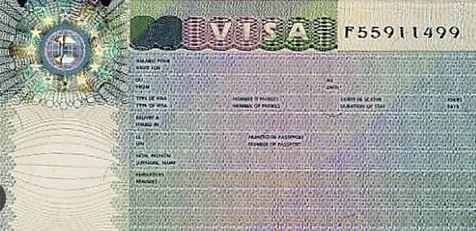
According to what the human rights organization "Shoaa" confirmed in a fiery report, the consular interests in Europe and North America have become a tool for the military regime to impose control over the Algerian community abroad, through administrative restrictions and political intimidation practices. The organization said that the consulates practice "cross-border repression" by disrupting administrative files and refusing to renew passports or issue documents except after subjecting those concerned to political conditions that affect the essence of freedom of opinion and expression.
According to documented testimonies collected by "Shoaa", Algerians residing abroad received veiled threats from consular employees, calling on them to "remain politically silent" or delete their posts criticizing the military regime from social networks, in exchange for facilitating their administrative transactions.
While others spoke of being forced to sign written pledges not to engage in political affairs, which the organization described as "political blackmail and administrative coercion" that contradicts the simplest legal and ethical rules.
"Shoaa" believes that what is happening is not isolated cases, but a systematic policy aimed at stifling every free voice outside the borders, as the Algerian passport – according to the organization – has turned into a "tool of punishment", and consular services into a "weapon in the hands of the regime to punish critics."
The loss of trust in Algerian state institutions
These data coincide with what has been documented by international organizations such as "Human Rights Watch" and "Amnesty International", which have warned of the expansion of the scope of Algerian repression to include dissidents in the diaspora through monitoring, threats and retaliatory measures.
In this context, the incident of the kidnapping of the Algerian dissident residing in France "Amir D. Z." in April 2024 stands out, where French investigations revealed the involvement of an element linked to one of the Algerian consulates, which triggered a diplomatic crisis between Paris and Algeria, and brought back to the forefront an embarrassing question about the exploitation of diplomatic cover to serve security agendas.
The human rights organization confirmed that these practices have led to the reluctance of many members of the community to visit the consulates for fear of retaliation, and to deepen the loss of confidence in Algerian state institutions, which, according to them, have turned into tools of repression outside the borders, which damaged the country's image internationally and exposed its authoritarian nature.
"Shoaa" demanded an immediate end to all forms of restrictions on the community and the accountability of those involved in exploiting their positions to serve the regime instead of serving the citizen.
What these testimonies reveal exposes a system of repression that knows no geographical boundaries, as the military regime seeks to subjugate Algerians wherever they are found, using the weapon of official documents to silence them.
"Shoaa" concluded its statement by emphasizing that "the voice of free Algerians will not be stifled either by a passport or by coercion", considering that these practices reflect the depth of the political crisis experienced by a regime mired in fear of its people residing abroad.