HIBAPRESS
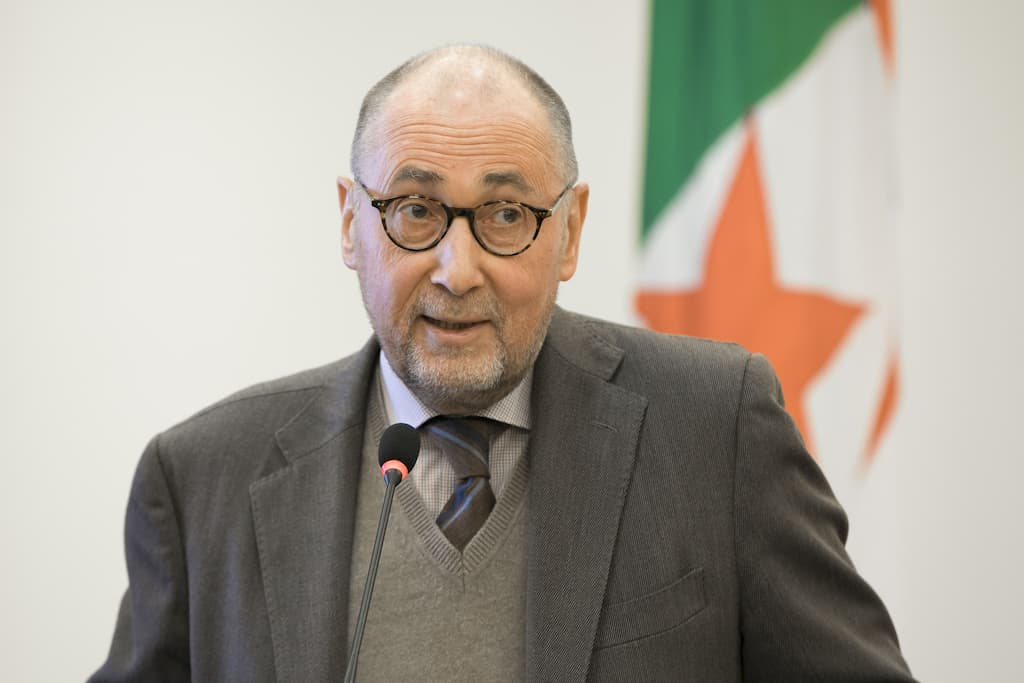
In an unprecedented development that sparked something of a political and administrative earthquake in France, former French ambassador to Algeria, Xavier Driencourt, revealed the details of a shocking parliamentary report titled "Roudier-Lefebvre Report", which sheds light on the exceptional privileges enjoyed by Algerians in France under the 1968 agreement, and the resulting financial and social costs borne by the French state for more than half a century.
A Political Bomb
The report, prepared by deputies Charles Roudier and Mathieu Lefebvre from the Renaissance party led by President Emmanuel Macron, was described by Driencourt as a "political bomb" because it not only reveals staggering numbers, but also exposes the complicity of the French administration and the silence of the political class regarding this sensitive file that has been shrouded in secrecy for long decades.
According to the report, French administrations repeatedly refused to hand over the real data related to the number of Algerian beneficiaries and the cost of the privileges granted to them, for fear of igniting controversy or being accused of discrimination.
The report estimates the direct cost of Algerian immigration to the French treasury at about two billion euros annually, without calculating the additional expenses related to housing, social assistance and the judiciary. It also revealed huge debts resulting from the treatment of Algerians in French hospitals, which are amounts that Algeria does not pay despite accumulating over the years.
Driencourt confirms that Algerians enjoy a unique position within the French legal system, as the 1968 agreement, which was amended several times, grants them rights that no other foreigner enjoys: entry into French territory with only short-term visas, automatic acquisition of a "private and family life" residence permit even in cases of illegal entry, significant facilities in family reunification, and the right of residence for the spouse of a French citizen without the need to prove cohabitation, which opened the door to increasing sham marriages.
The report indicates that polygamy does not lead to the withdrawal of residence from Algerians, and that they are not obliged to sign a charter respecting the values of the Republic or to prove a lower linguistic level in French, which are conditions imposed on the rest of the communities.
Social assistance
They also receive social benefits such as RSA (minimum income) and APSA (old-age allowance) without adhering to periods of residence or contributing to social security as is the case with the rest of the foreigners.
The most intriguing fact is that France pays about one billion euros annually in retirement pensions to Algerians residing in Algeria, while Algeria refuses to grant similar pensions to the French residing on its lands, which Driencourt described as "financial and diplomatic absurdity" that has no parallel in modern international relations.
Driencourt held the French administrative judiciary, especially the Council of State, largely responsible, which expanded the interpretation of the 1968 agreement in a biased and excessively lenient manner, enabling Algerians to combine the privileges of the agreement and the privileges of the general law for foreigners, to obtain a "double immunity." Even in cases that pose a threat to public security or in the event of illegal residency, the authorities are prohibited from withdrawing residence permits from Algerians, because the texts do not explicitly provide for this.
The Roudier-Lefebvre report represents a turning point in the French debate on immigration and social justice, and opens the door to a comprehensive review of the relationship with Algeria, the state that benefits from permanent privileges without compensation. As Driencourt said: "It is a wake-up call for the French political class that has colluded in silence for decades, and a slap in the face for the immigration policy that has made Algeria a permanent burden on France."