HIBAPRESS
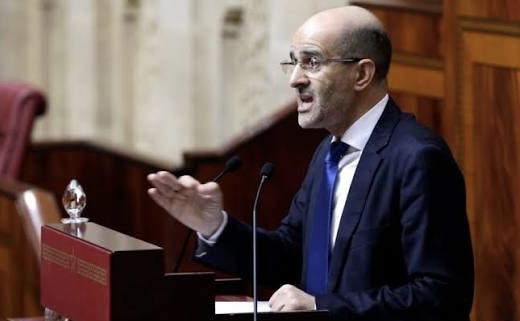
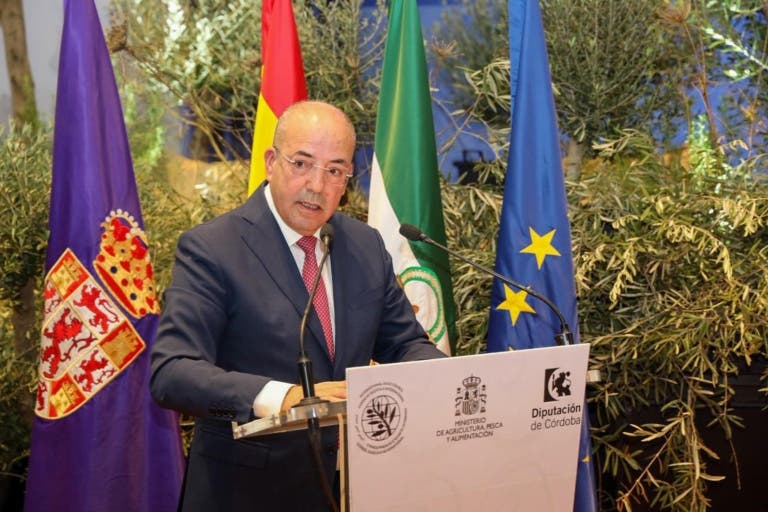
Ahmed Bouari, the Minister of Agriculture, Fisheries, Rural Development, Water and Forests, emphasized today in Cordoba the central role played by olive cultivation in the Moroccan agricultural model and its contribution to achieving sustainable development.
In his speech during the 122nd session of the International Olive Council, the Minister pointed out that this chain represents 65 percent of the area planted with fruit trees at the national level, exceeding 1.2 million hectares, and provides more than 51 million working days annually. It also secures about 19 percent of national needs for edible oils and contributes approximately 2.1 billion dirhams annually to the trade balance. He affirmed that Morocco, as a historical force in olive production, is fully involved in valuing the global dimension of the olive tree, highlighting the contribution of this chain in enhancing food security, improving the living conditions of the rural population, and promoting healthy eating patterns. The Minister, in this context, highlighted the progress made in this field thanks to the Green Morocco Plan, which enabled a significant modernization of the chain and an improvement in quality and the launch of an advanced dynamic in valuing production. He added that the "Green Generation 2020-2030" strategy has consolidated these gains by placing the human element, sustainability, and competitiveness at the heart of developing olive cultivation. Bouari emphasized, in this context, the collective responsibility in including olive oil in policies related to health and nutrition, supporting innovation, and enhancing international technical cooperation, especially in the field of adapting to climate change. He pointed out that the adoption of the "Cordoba Declaration" embodies Morocco's affirmation of its will to support ambitious public policies for the benefit of sustainable and resilient olive cultivation, highlighting that the Kingdom renews its commitment to enhancing research and innovation, developing scientific cooperation, ensuring the sustainable management of natural resources, as well as ensuring the quality, transparency, and competitiveness of olive products in international markets. He added that the declaration also encourages the dissemination of scientific knowledge related to the nutritional and environmental benefits of olive oil and table olives. The Minister concluded by saying that "Morocco reaffirms, through this commitment, its determination to contribute effectively to a prosperous future for the global olive sector, in a spirit of solidarity, sustainability, and cooperation between countries." The 122nd session of the International Olive Council, organized on the occasion of the International Olive Tree Day, was held with the participation of delegations from 31 member countries to discuss the sector's prospects at a pivotal moment in which it is witnessing a strong recovery in global production and consumption. The International Olive Council, which saw the light in 1959 in Madrid under the auspices of the United Nations, is the only international governmental organization dedicated to olive oil and table olives.