HIBAPRESS
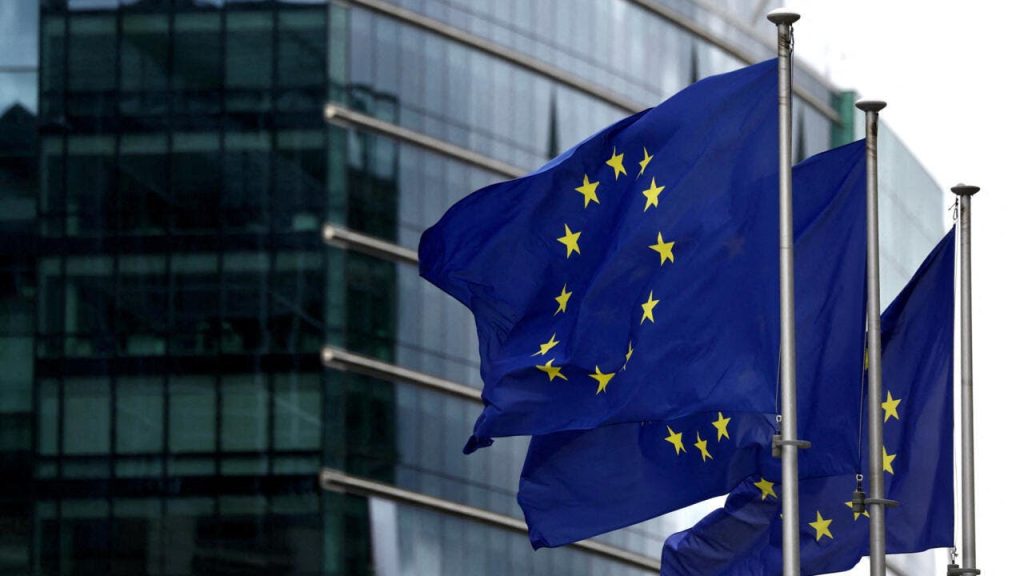
The 27 member states of the European Union meet today, Monday, amidst pressure from the right and far-right, to discuss and approve measures aimed at tightening immigration policy, most notably the establishment of "return centers" for immigrants whose asylum applications have been rejected.
For the first time, the interior ministers of the European Union will vote in Brussels on three proposals submitted by the European Commission this year, aimed at regulating the arrival and return of immigrants. These proposals include: opening return centers outside the EU borders, imposing harsher penalties on immigrants who refuse to leave European territory, and sending immigrants to countries classified as "safe," even if they do not belong to them. This step comes despite a decrease in the number of irregular arrivals by about 20% compared to last year. European Commissioner Magnus Brunner, one of the architects of the tightening of sanctions, said: "We need to make progress to give citizens a sense that we are in control of the situation." Positions vary within the Union. The proposals are strongly supported by the right and the far-right, while they are opposed by the left and immigrant protection organizations. Silvia Carta from the PICUM organization said: "Instead of investing in security and integration, the Union is choosing policies that increase risks and legal insecurity." Denmark, which holds the rotating presidency of the Union, is pushing for the rapid ratification of these measures, while France questions their legality and effectiveness, and Spain expresses doubts about the feasibility of "return centers," which several countries have previously tested without noticeable success. The European Parliament calls for the approval of these measures by the beginning of next year, in a step aimed at granting preliminary approval to them. The new asylum seeker distribution system also includes discussions about a new system for distributing asylum seekers within the Union, to alleviate the pressure on countries located on the main migration routes, such as Greece and Italy. Under the system, other member states will be obliged to receive asylum seekers, or pay a fine of 20,000 euros for each asylum seeker to countries facing pressure. However, negotiations are facing obstacles, as countries such as Belgium, Sweden and Austria have refused to receive asylum seekers from other European countries, while the number of ministers willing to confirm specific numbers in public is small. However, a final agreement must be reached before the end of the year to distribute thousands of asylum seekers among the member states.