HIBAPRESS – Abdellatif Baraka
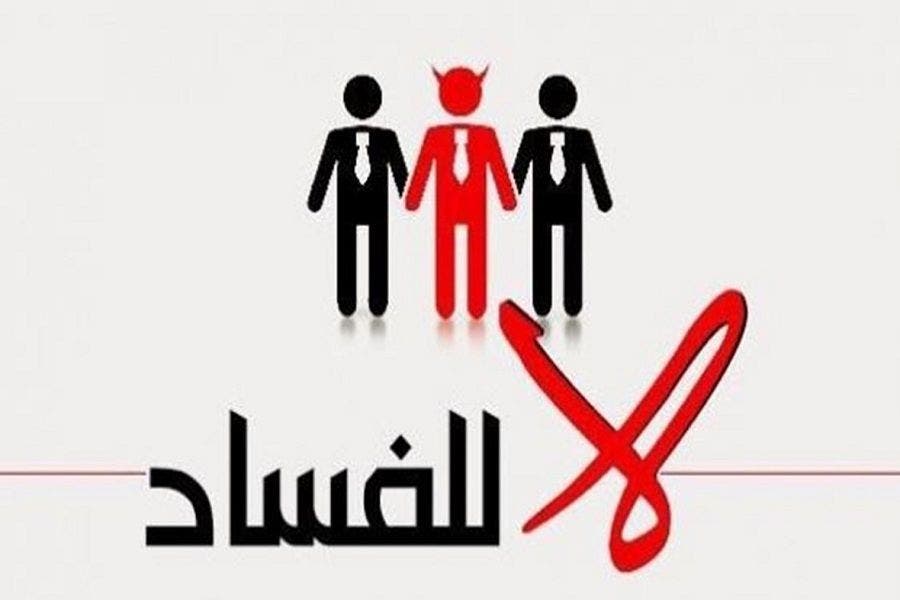
When World Anti-Corruption Day arrives, which coincides with December 9th of each year, Morocco continues to face one of the most complex challenges related to development and the quality of public services. Administrative and financial corruption is no longer just isolated cases, but a network of practices that burden the state budget, weaken confidence in institutions, and delay investment and reform projects.
From small bribes in administrations to major irregularities in public tenders, from conflicts of interest to illicit enrichment, the forms of corruption range between what is apparent to the public and what requires in-depth investigations. Official and civil reports indicate that the sectors most vulnerable to corruption concern the fields of construction, administrative management, tenders, and human resources.
Despite the severity of these challenges, Morocco has established an unprecedented legal and institutional system over the past decade. The powers of the National Authority for Integrity and the Prevention of Bribery and its Combating were strengthened under Law 46.19, giving it a pivotal role in monitoring, evaluation, and proposing policies. Morocco also adopted the United Nations Convention against Corruption, which imposes an international commitment on it in the areas of prevention, protection of whistleblowers, and the recovery of funds.
Among the prominent legal mechanisms are: the mandatory declaration of assets for a number of officials and elected officials, strengthening the role of the Supreme Council of Accounts in monitoring the management of public funds, and modernizing the criminal arsenal related to bribery and embezzlement of public funds. Special provisions were also included to protect whistleblowers and witnesses, although the effectiveness of this protection remains subject to criticism given the limited implementation on the ground.
However, the legal framework, despite its importance, still suffers from clear gaps. The effectiveness of judicial follow-up in major corruption files remains below expectations, and some proposed amendments to the Criminal Procedure Law have sparked widespread controversy due to fears of reducing the role of citizens and associations in submitting complaints related to embezzlement and mismanagement of public funds. In addition, public tenders, despite digitization and the modernization of procedures, are still a fertile ground for irregularities due to the absence of complete transparency in the evaluation and selection stages.
Nevertheless, the path of combating corruption in Morocco has recorded positive steps that can be built upon. Digital control of tenders has developed, cooperation between constitutional institutions and civil society has increased, and public discussion has become bolder in addressing bribery and conflicts of interest files. Reports from audit offices show that institutional awareness of the seriousness of corruption has begun to strengthen, even at a slow pace.
In this context, World Anti-Corruption Day stands out as an opportunity to reassess achievements and monitor shortcomings. The fight against corruption is not just legislation, but political will, transparency in information, real protection for whistleblowers, and an independent judiciary capable of ruling quickly and transparently on major financial files. The role of the media and civil society also remains central in reviving a culture of accountability and directing public opinion towards the importance of linking responsibility with accountability.
Combating corruption is not just a legal battle, but a comprehensive reform project aimed at strengthening trust between the citizen and the institution, improving the quality of services, and creating a transparent and attractive economic environment for investment. As the world commemorates December 9th, the need seems urgent to accelerate reforms, activate laws, and bridge the gap between legal texts and practical reality, so that integrity becomes a daily culture and not just an institutional slogan.