HIBAPRESS
The works of the national conference organized under the title: "The Moroccan Sahara Issue: From National Consensus to International Recognition", which was organized on the occasion of the fiftieth anniversary of the glorious Green March, and the seventieth anniversary of the glorious Independence Day, concluded on Thursday evening, December 11, 2025, at the Faculty of Legal and Political Sciences at Ibn Tofail University in Kenitra.

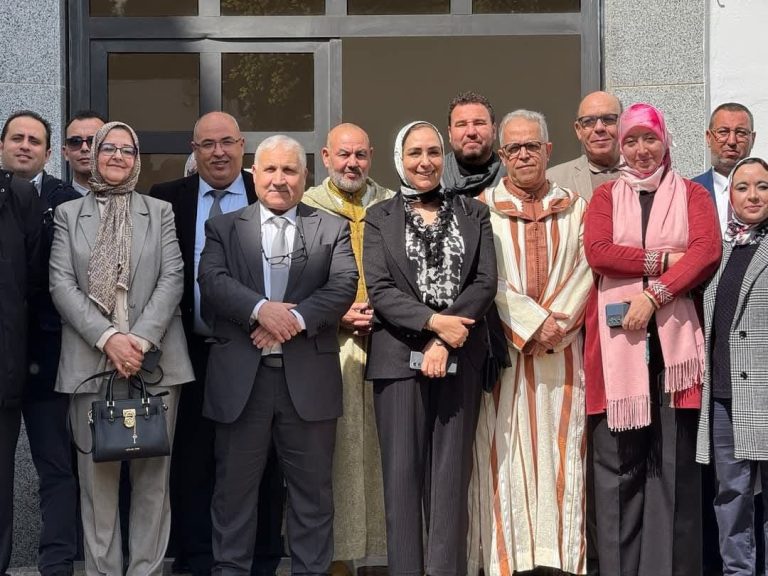
This conference was distinguished, according to the final statement received by the newspaper "HIBAPRESS", by the participation of a group of professors, researchers and experts in international relations, public law and diplomacy, in addition to the significant presence of students and those interested in national issues. It also formed a scientific occasion to highlight the major transformations that the Moroccan Sahara file is witnessing, and to emphasize the role of the Moroccan university as a space for producing knowledge and supporting national diplomacy according to a renewed scientific vision.
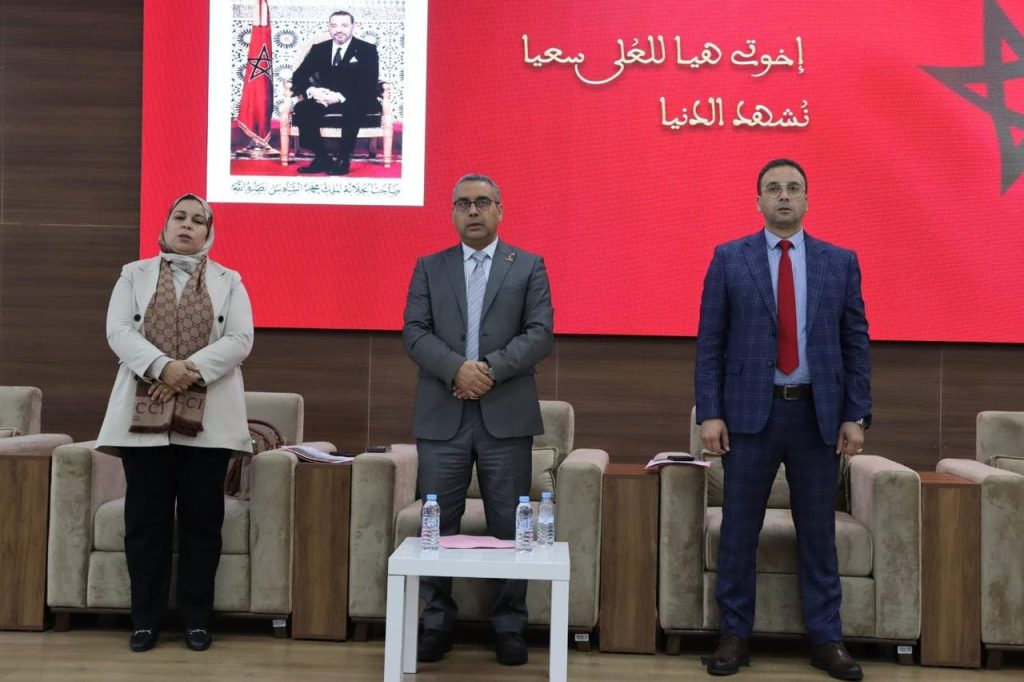
The final statement mentioned that the Dean of the College welcomed, in his opening speech, the attendees of professors, researchers, students and guests, stressing that this scientific meeting comes at an important national time that recalls the glories of the Green March that united Moroccans around the Sahara issue, and represents an opportunity to renew scientific and academic mobilization in defense of the territorial integrity of the Kingdom.
The Dean highlighted, according to the same source, that UN Resolution 2797 constitutes a major station in the process of consolidating the validity and realism of the autonomy initiative under Moroccan sovereignty, as it is the only political framework based on international legitimacy and consensus, stressing that the decision reflects the success of Moroccan diplomacy under the wise leadership of King Mohammed VI, and the transition of the issue from the defense stage to the stage of growing international recognition.
The statement continued that the conference witnessed three integrated scientific sessions, which together formed a graduated analytical path for the various dimensions of the national issue, adding that the interventions were united in highlighting that the current international and regional developments have produced a growing global consensus around the validity of the Moroccan initiative for autonomy under the full sovereignty of the Kingdom of Morocco.
The conference began with an in-depth analysis of the positions of the influential international powers. The first session addressed the issue’s position in the British strategy and the American recognition of Morocco’s sovereignty over its southern regions, as a historic turning point that redrew the directions of international discussion.

The statement mentioned that the Chinese and Russian positions, which are witnessing calm transformations that reflect an increasing understanding of the seriousness and effectiveness of the Moroccan approach, were studied, and the interventions highlighted the positions of European foreign policy and what it knows of a clear gradation towards appreciating Morocco's efforts, adding that an in-depth reading was presented in the Security Council resolutions, which consecrate, year after year, the Moroccan autonomy initiative as a basic reference for any political solution, while emphasizing the fixed and variable in the international dealings with the file.
The second session was devoted to discussing regional transformations, especially in Africa, where the pragmatic transformations that made a number of African countries tend to support the Moroccan proposal as the most successful entry point for stability and development were highlighted. The constant support of the Gulf Cooperation Council countries for Morocco was also noted, in addition to the positions of Latin American countries, which showed an advanced understanding of the foundations of the Moroccan initiative.
The interventions during the conference also discussed, according to the statement, the importance of professional diplomacy and the role of legal actors and researchers in strengthening the Moroccan presence through an academic speech that is documented and based on international legitimacy and factual data. In the third session, the autonomy initiative was delved into as the essence of the political solution proposed by Morocco.
Researchers presented legal and political approaches to clarify the dimensions of this initiative, with a focus on its developmental dimension and its ability to ensure democratic local management that respects national sovereignty. The humanitarian situation of children held in Tindouf camps was also discussed, as a humanitarian file that requires urgent intervention.
Readings were presented on the impact of autonomy in enhancing regional stability, especially in the Sahel and Sahara region. Light was also shed on comparative international experiences in the field of autonomy, linking it to the available possibilities to develop the Moroccan model. The session stressed the need to strengthen university scientific research on the Sahara file and publish it in international databases such as Web of Science, and to support academic diplomacy as a basic tributary of official diplomacy.

The discussions within the three sessions converged to confirm that the path of international recognition of the Moroccan proposal is no longer just a political trend, but has become a global dynamic based on international legitimacy, the maturity of the Moroccan development project, and the development of the Kingdom's diplomatic presence tools under the leadership of King Mohammed VI.
The conference concluded with a set of recommendations, the most prominent of which are: • Strengthening the university's presence in analyzing and documenting the developments of the file, • Encouraging international scientific publication on the national issue, • Establishing permanent research mechanisms within the college to keep abreast of developments, • Supporting parallel diplomacy undertaken by researchers, • Highlighting the developmental dimension of the southern regions in the academic discourse, • Calling for the protection of children held in Tindouf camps, • Organizing training courses and annual conferences that contribute to qualifying a new generation of researchers in strategic affairs.
In conclusion, thanks were given to the professors, researchers, participants and students for their contribution to the success of this scientific event, and it was emphasized that the Faculty of Legal and Political Sciences will continue its scientific and national involvement in defending the first issue of Moroccans, and in keeping abreast of international developments with a sound scientific approach that responds to the challenges of the stage, while renewing the firm commitment of the college—professors, administration and students—to support national issues, and to consecrate academic research as a lever to enhance Morocco's presence and radiance on the regional and international arenas.