HIBAPRESS
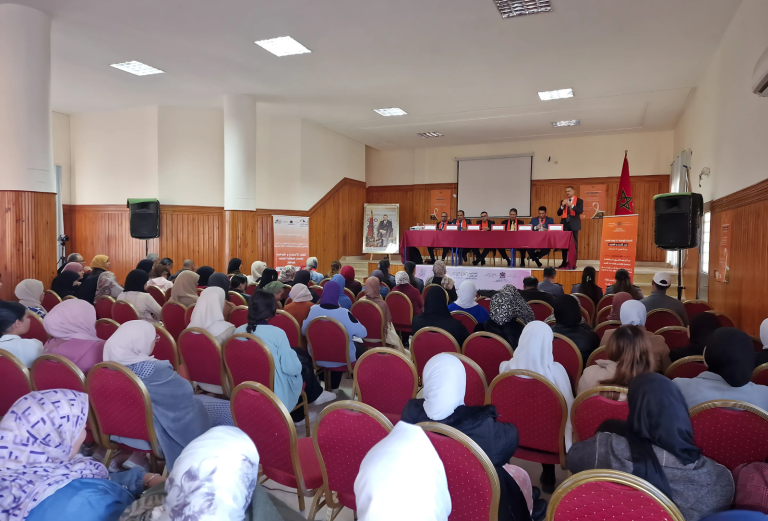
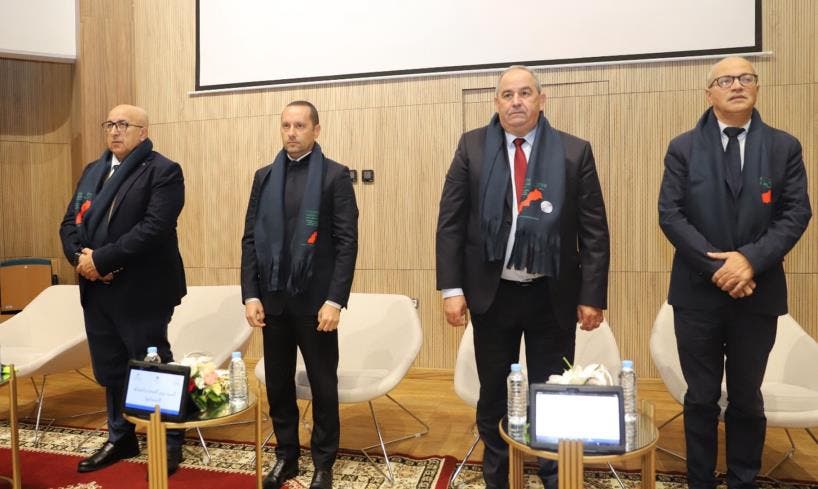
On Saturday, the national day on the reform of the third cycle of medical, pharmaceutical, and dental studies was held in Rabat, with the participation of about 800 participants from various actors in the health system and medical training in Morocco.
This national day was dedicated to presenting the outputs and proposals that the national committees of experts in various specializations concluded, in order to study ways to reform the third cycle and develop proposals to improve it.
These recommendations include all aspects related to the third cycle, including the conditions and methods of access to each specialization, the engineering of training and its detailed programs, evaluation methods and the conditions for completing internships and other training activities, the final examination to obtain a specialization diploma, the conditions for obtaining the diploma, as well as the mobility system at the national and international levels.
This meeting leads to a set of structural outputs, related to the situation of students of the faculties of medicine, pharmacy and dentistry within the institutions affiliated with the territorial health groups, including observing trainees, externs, interns, and residents, the system of studies and examinations for each of the medical specialization diploma, the pharmaceutical and biological specialization diploma, the dental specialization diploma, the lists of specializations and their study periods, as well as the content of the unified training at the national level for each specialization, in addition to other recommendations related in general to enhancing the quality of training and its compatibility with the needs of the national health system.
This national meeting, which is part of the continuation of the comprehensive dynamic of reforming and improving medical training in the Kingdom, represents a distinguished strategic station in the modernization of the third cycle of medical, pharmaceutical, and dental specializations, which enhances the quality of medical competencies and ensures their ability to keep pace with developments and respond to current and future challenges.
In an opening speech, the Minister of Health and Social Protection, Amin Tahraoui, confirmed that Morocco, under the high directives of King Mohammed VI, has chosen to strengthen its health capacities and achieve the comprehensive generalization of social protection, highlighting that the main pillar of these reforms is the health human resources in order to meet the real needs and overcome regional imbalances and the shortage in critical specializations.
Tahraoui explained that Morocco is seeking to achieve an ambitious goal according to the recommendations of the World Health Organization, which is to reach 45 health professionals per 10,000 people by the year 2030, stressing that the challenge is not limited to the number of specialists only, but includes how to train them in a better, faster and proactive way, to ensure avoiding the ongoing shortage and delay in meeting health needs and addressing unplanned paths that are repeated without effective solutions.
He pointed out that the reform of the third cycle aims to meet the critical needs in specializations such as emergency, resuscitation, pharmacy and mental health, while strengthening the distribution of health resources at the regional level to ensure a balanced response to needs, indicating that the reform seeks to build better human capital through the qualification of human resources, expanding practical training, and improving the conditions of students and residents, so that they are able to face contemporary health challenges and rapid technological developments.
For his part, the Minister of Higher Education, Scientific Research and Innovation, Azzdine El Midaoui, confirmed that the national day for the reform of the third cycle of medical studies is in line with the high royal directives that put the citizen at the heart of all public policies, explaining that the main goal of all major projects, whether at the level of social protection or infrastructure, is to serve the citizen, with a focus on improving human health and ensuring fair access to treatment for all citizens, especially vulnerable groups.
Mr. El Midaoui stressed that medical training in Morocco is good and is based on distinguished competencies, characterized by commitment, spirit of work and interaction within the system, considering that the reform does not diminish the value of previous achievements, but aims to develop training and adapt it to international standards, unify standards at the national level and harmonize training with global standards.
In turn, the President of Mohammed V University, Mohamed Ghachi, said that the role of the third cycle is not limited to acquiring experience and in-depth specialization, but allows the student to develop their professional identity as a doctor, while enhancing clinical skills, the ability to analyze, as well as openness to international practices, adding that commitment to these reforms leads to providing cohesive training and adapted to the needs of students, patients and society as a whole.
Ghachi pointed out that these reforms confirm that medical specialization is a strategic investment for society in terms of the quality of education and training and raising the level of health care safety, and paving the way for medical innovation, stressing that this meeting will allow an exchange of views on the structure of academic reform and its requirements in terms of conditions and the necessary means to implement it.
For his part, the Dean of the Faculty of Medicine and Pharmacy, Ibrahim Lakhal, explained that this meeting represents a decisive stage in building a new national model for medical training, continuing the reforms that began in the first and second cycles, which laid the foundation for a renewed and integrated educational path directed towards the future and keeping pace with the aspirations of the health system and enhancing the training capabilities at the national level.
Lakhal indicated that these reforms aim to strengthen social protection and comprehensive health coverage, and aim to develop medical human resources and adapt them to international standards, while working within a clear national vision, and with the broad participation of all relevant parties from faculties, academic committees, unions, students, interns and residents, professional and scientific bodies, to ensure the implementation of a comprehensive and effective reform.