HIBAPRESS
Ayman Lamghari, head of the social protection and statistics department at the regional directorate of agriculture in Taourirt, confirmed that the process of reconstituting the national herd in the region is proceeding under positive conditions.
Lamghari explained, in a statement to the Moroccan News Agency, that this national operation, which is part of a strategy aimed at controlling and valuing data related to livestock, went through two main stages; the first included the enumeration of livestock to determine the exact numbers of the herd, while the second stage focused on the numbering process through the placement of identification rings, with the aim of securing a database and ensuring accurate tracking of the health and numerical status of livestock.
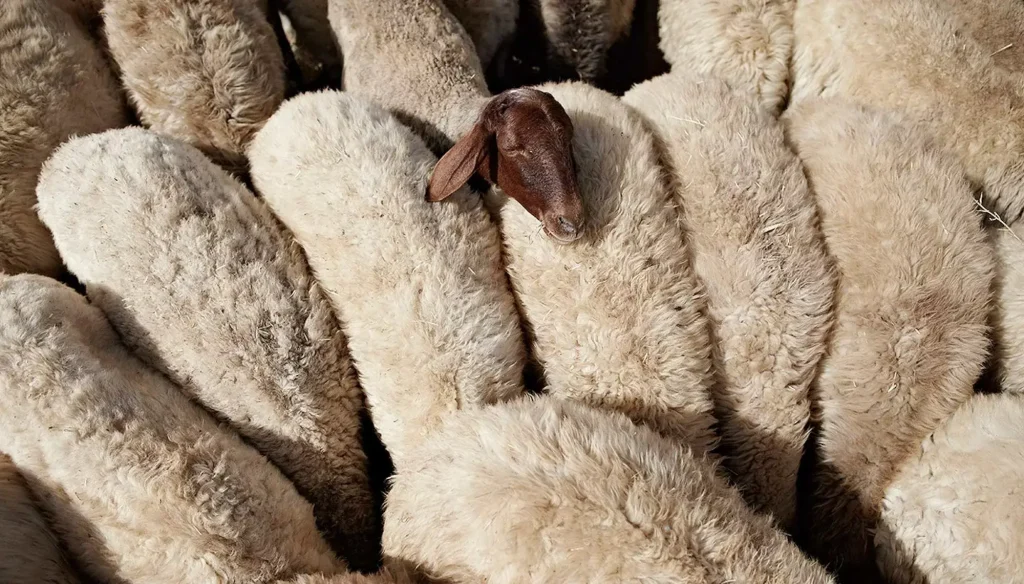
Regarding the recorded digital indicators, the regional official revealed that the results of this operation showed the dominance of the sheep category, which constitutes the largest percentage of the herd in the region at about 63 percent, followed by goats at 35 percent, while the remaining percentage (2 percent) is distributed between the two categories of cattle and camels.
Lamghari added that this operation, despite the challenges faced by the technical teams in the field, achieved its set goals successfully, stressing that its timing is of great importance, especially after consecutive years of drought, as it contributed to encouraging farmers and livestock breeders to persevere and maintain their herds.
The regional official praised, in this regard, the wide participation of livestock breeders in the Taourirt region, which reflects the vitality enjoyed by this pastoral sector locally, expressing his optimism about the future of the sector in light of the continuous efforts to develop it and ensure its sustainability in a way that serves rural development and food security.
For his part, the agricultural advisor at the Agricultural Advisory Center in Laayoune Sidi Mellouk, M'barek Belhajiyin, stated that the interventions of the National Office of Agricultural Advice included various stages of the herd formation process in the region.
Belhajiyin highlighted that this follow-up began from the initial stages of herd formation, through the supervision of enumeration and numbering operations, to managing the process of disbursing the support allocated to breeders, pointing out in this regard the organization of a series of communication meetings and awareness days for farmers to simplify the mechanisms for benefiting from support and explaining the administrative procedures in place.
In the same context, the agricultural advisor stressed the continuity of the office's guiding role by providing technical training and continuous field follow-up to farmers, focusing mainly on improving the quality of nutrition and ensuring the health safety of the herd.
One of the farmers benefiting from the process expressed his deep gratitude for the direct support directed to livestock breeders, stressing that this initiative came at a critical time to alleviate the impact of consecutive drought periods.
He explained that this support enabled breeders to persevere and maintain their herds, highly appreciating the supreme royal care of King Mohammed VI and his directives aimed at supporting farmers and strengthening the resilience of the livestock sector in the face of climate challenges.
It is worth mentioning that the Ministry of Agriculture, Fisheries, Rural Development, Water and Forests announced on October 23 last year the launch of the process of disbursing direct financial support to livestock breeders within the framework of the national herd reconstitution program, which aims to restore the balance of national animal production.
This process is based on the results of the national herd census carried out in the period from June 26 to August 11, 2025, which included the entire national territory, in the form of direct support for the purchase of feed and the preservation of ewes and goats, which benefits only the herd that was numbered within the framework of the census and bearing numbered rings.