HIBAPRESS – by M. Mahyawi
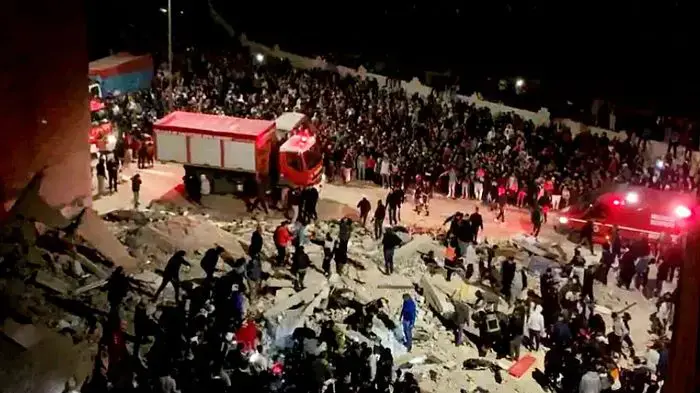
A number of community activists are asking with great concern about the fate of the financial allocations granted to political parties from public funds, and why this support has not been reflected in urgent social issues, especially the file of dilapidated buildings that threaten the lives of thousands of citizens, especially in the old cities and fragile neighborhoods.
The activists confirm that these allocations, which are supposed to contribute to framing citizens, proposing public policies, and defending the public good, have not been translated on the ground into serious initiatives or real pressure programs that oblige elected officials and successive governments to expedite the treatment of this dangerous file. The human rights source adds that reality reveals a shocking paradox: the state finds itself forced to bear the burden of treating dilapidated buildings on its own, while most parties are content with seasonal speeches, empty slogans, and promises that do not exceed the electoral platforms, without any tangible impact on the lives of citizens. Community activists also note that some of the elected officials, who were entrusted with managing local affairs, are surrounded by suspicions of mismanagement and linking responsibility to accountability. Some of them were even followed by the courts in cases known to the public, which deepened the crisis of confidence between the citizen and the elected institutions. The activists believe that the political drumbeating in "the empty space," as they describe it, is no longer acceptable in light of the fall of innocent lives under the rubble of houses threatened with collapse, and in the absence of a courageous party vision that holds responsibilities and pressures for urgent and sustainable solutions.