HIBAPRESS
Reza Pahlavi, the former Crown Prince of Iran, residing in exile, is seeking to play a role in his country's future after nearly five decades since his family left Iran following the fall of the Shah's regime in 1979.
Although his father's rule, Shah Mohammad Reza Pahlavi, faced widespread popular opposition that ended with his overthrow after the Islamic Revolution, Reza Pahlavi is today trying to present himself as one of the prominent voices in the opposition scene, benefiting from the escalating wave of protests in Iran. Pahlavi has called on protesters to take to the streets, a move that contributed to the escalation of demonstrations in recent days.
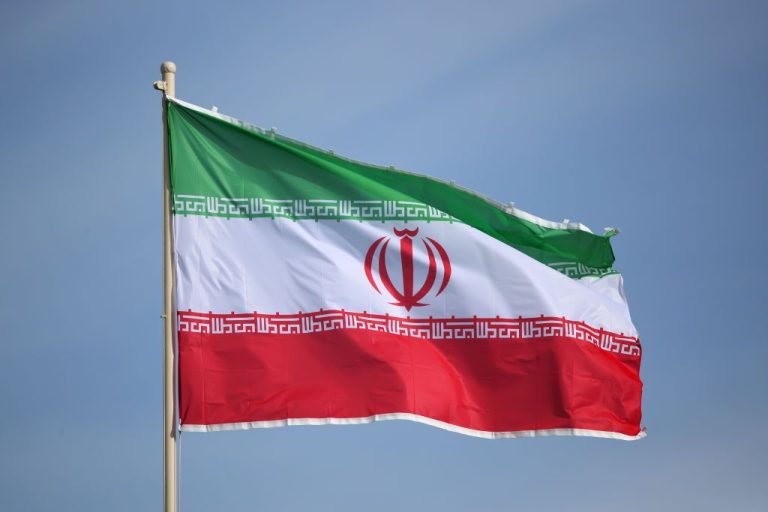
The protests, which initially erupted due to the deteriorating economic conditions, then went beyond the social aspect to become a direct challenge to the theocratic regime, in light of accumulated crises that the country has experienced, including repeated protests and regional military escalation in recent months. However, the real extent of popular support that Pahlavi enjoys within Iran remains questionable, especially since he resides in the United States.
Observers believe that the return of his name to the forefront reflects the growing nationalist tendency within the protest movement, more than a direct call for the return of the monarchy. In contrast, the Iranian authorities accuse what they describe as "royal elements" of being behind the recent unrest, at a time when the future of the Iranian political scene remains open to various possibilities.