HIBAPRESS – Ahmed Al-Musaed
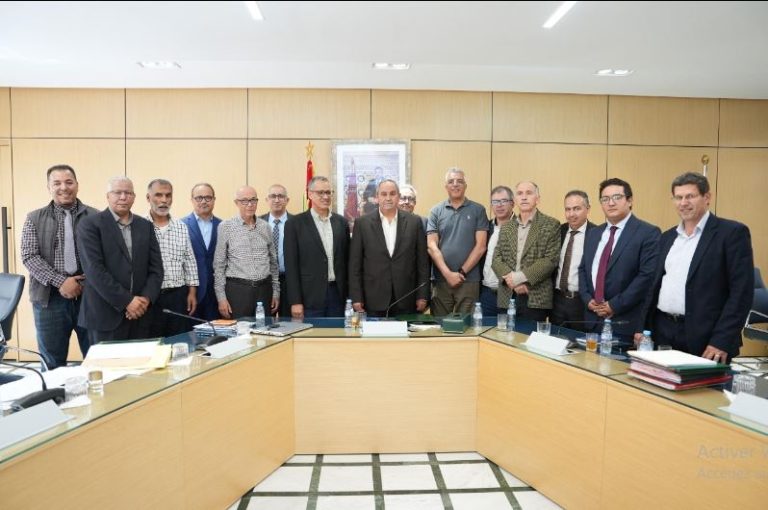
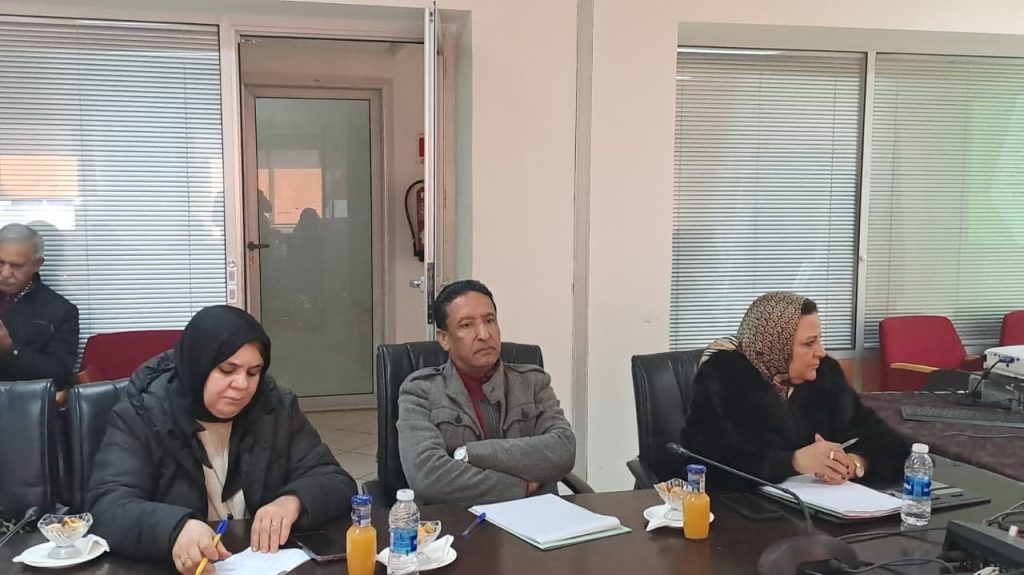
The local committee for the care of women and children victims of violence met on Wednesday, January 22nd, at the Palace of Justice in Oujda, in implementation of the provisions of Law No. 103.13 related to combating violence against women and its organizational decree issued on 10/04/2019.
The meeting was devoted to presenting the cell's work during the year 2025, and to review the various activities carried out by the cell for the care of women and children victims of violence and by its various members and actors in the field of women and children, and within the framework of the evaluation process for the work we are doing. This is the first meeting for the year 2026, it was an opportunity to present the cell's work and the problems that have hindered the cell's work, whether inside the court or for the rest of the actors, members of the cell. And to provide solutions and proposals for them, with recommendations to contribute to combating the phenomenon of violence against women and children and establishing best practices to achieve social justice for this targeted group in the cell's work, which is based on three main points: first, providing the necessary protection for women and children and ensuring their safety, second, facilitating the access of this group to the various services provided by all actors, third, taking all necessary measures to eliminate the source of violence, and the agenda of this meeting included a presentation of the results of the work of the cell for the care of women and children victims of violence during the year 2025, then presenting the action plan for the year 2026, which was entitled "Protecting the child and empowering women, two pillars for building the family and society", as well as discussing the cell's action plan for the year 2026. During the meeting, the results of the work were presented, as a total of 7346 reports and complaints from women and children were recorded for the year 2025, and a total of 6953 cases were processed, and the action plan for this year 2026 was presented, which revolved around two main topics, the first is empowering women with their rights and the second is improving the service of caring for children in a vulnerable situation. After presenting the constraints, the discussion was opened, and some parallel solutions were recorded, as well as the recommendations emanating from this meeting were agreed upon.