HIBAPRESS – Rabat.
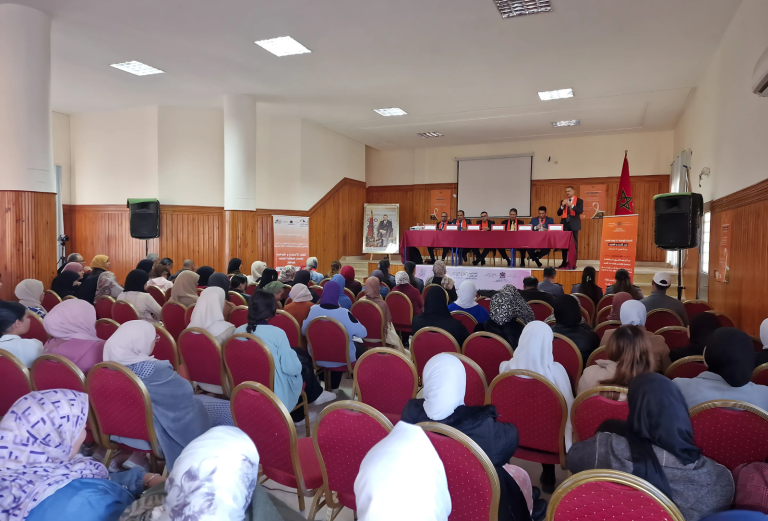
The Joint Ministerial Committee for Vigilance and Monitoring of Market Supply and Prices held a meeting on Thursday, January 22, 2026, at the Ministry of Interior headquarters, in preparation for the blessed month of Ramadan for the year 1447 AH. The meeting was attended by a number of ministers, government officials, and institutions concerned with securing supply and controlling markets.
Those who participated in this meeting include the Minister of Interior, the Minister of Economy and Finance, the Minister of Health and Social Protection, the Minister of Agriculture, Marine Fisheries, Rural Development, Water and Forests, the Minister of Industry and Trade, and the Minister of Energy Transition and Sustainable Development, in addition to the Secretary of State in charge of the Fisheries sector, as well as the Directors-General of the Customs and Indirect Taxes Administration, the National Office of Fisheries, the National Office for Cereals and Pulses, and the National Office for the Safety of Food Products. The Governors of the regions, the prefects of the prefectures and provinces, and the prefectures of the districts, along with the territorial officials and the heads of the concerned decentralized services, also participated in the meeting remotely. This meeting comes in implementation of the high royal directives aimed at protecting the purchasing power of citizens and ensuring the abundance of basic materials and the regularity of market supply, especially with the approach of Ramadan, which sees a noticeable increase in demand for a number of consumer materials. During this meeting, the supply and price situation at the national level was evaluated, and mechanisms for coordination and follow-up were strengthened, in addition to emphasizing the need to intensify monitoring operations and control markets, and firmly address all forms of speculation, price manipulation, and illegal practices that affect the rights of consumers or their health and safety. Regarding the supply situation of the markets, the data presented by the various ministerial sectors and relevant institutions, as well as the conclusions of the reports prepared at the prefectural and provincial levels, showed that the supply of national markets with various consumer materials remains normal, and that the available stocks, the expected production, and the expected supply during the coming weeks are sufficient to meet the consumption needs during the month of Ramadan and the following months. The Ministry of Interior confirmed that this positive situation is due to the proactive measures taken by the government authorities and the competent departments, in coordination with the economic actors, to avoid any potential shortage in supply, especially for materials that are in increasing demand during the month of Ramadan. The meeting also highlighted the positive impact of the significant rainfall that the Kingdom has witnessed recently, which is expected to contribute, in the short and medium term, to improving the yield of agricultural and pastoral activities and animal production, thereby enhancing the capacity of the national market to meet the demand for basic products. It is also expected that the resumption of small pelagic fishing activities, after the biological rest period and before the advent of Ramadan in a number of regions, will contribute to enhancing the supply of various fish species, especially those that are in high demand during this month. Despite the reassuring indicators, the meeting stressed the need to continue vigilance, follow-up, and comprehensive mobilization by the various stakeholders, to ensure the regularity of supply, improve the efficiency of the production, distribution and marketing system, and limit the rise in prices, in order to protect the rights of consumers and the purchasing power of citizens. In this context, strict instructions were directed to the governors, prefects, and all stakeholders to strengthen coordination and vigilance, monitor any potential disruption in supply or distribution channels and address it quickly and effectively, while intensifying the interventions of the monitoring services and enforcing respect for laws related to prices, competition, and consumer protection. Emphasis was also placed on firmly addressing speculation, monopoly, secret hoarding, and illegal commercial practices, and activating legal punitive procedures against violators, in addition to intensifying communication and awareness for the benefit of consumers and professionals, in partnership with consumer protection associations and the media. The Ministry of Interior called for activating contact numbers and the duty cells at the prefectural and provincial levels, to enable citizens to report cases of fraud or shortages in supply or any suspicious practices, with ensuring the quick and effective treatment of complaints, within the framework of coordination between the various competent departments.