HIBAPRESS
Greenland may now be submerged in the depths of winter's darkness, but US President Donald Trump has brought the polar island, inhabited by about 56,000 people, most of whom are Inuit, back into the spotlight after years of frozen isolation, renewing the talk of American control over it.
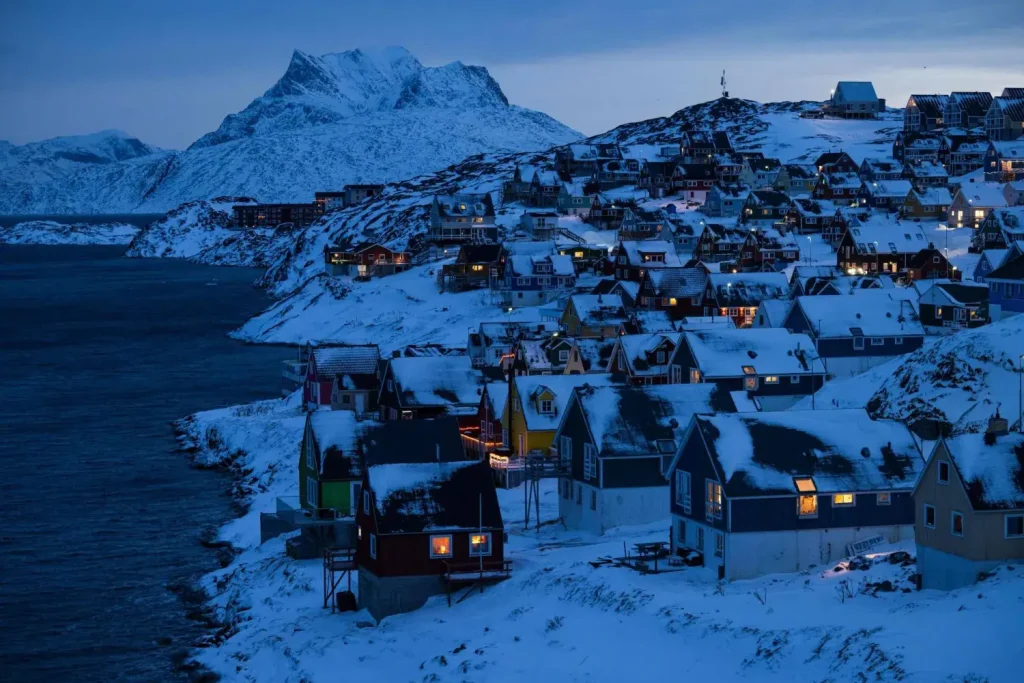
A pure wild tourist destination. Before political attention, Greenland actually began to attract tourists, who are discovering a wild and harsh island that is rich in the culture of the indigenous people. The ice sheet covers about 80% of the island, forcing the Inuit to live along the coasts in colorful clusters, where they practice traditional hunting under the lights of the aurora borealis, and they also currently depend on local community stores.
Access has become easier. The main obstacle for travelers was the difficulty of access through indirect flights. But the situation changed after the opening of an international airport in the capital, Nuuk, in late 2024, and the launch of direct flights twice a week from Newark in June 2025. Two additional international airports are scheduled to open this year, in Qaqortoq and Ilulissat, the main tourist destination.
Ilulissat: The heart of Greenlandic tourism. Ilulissat is located on the west coast, a fishing port and the site of a glacial strait listed on the UNESCO World Heritage List. Icebergs the size of skyscrapers separate from the ice sheet to float like ships in the "Disko" Bay, and visitors can explore them in small boats or follow humpback, fin and minke whales.
Culture and local food. Whales are part of Greenlandic food culture, as the “Mattak” dish is served from whale skin with a layer of fat. The Inuit communities also have quotas for hunting narwhals, polar bears, musk oxen and reindeer, which may appear on food menus.
Sea voyages and active tourism. Greenland has seen a record increase in the number of visitors, especially through cruises on the west coast. Prominent activities include cruises through the Eternity Strait, visiting the sites of ancient huts and Viking houses, in addition to experiencing a ride on the "Sarfaq Ittuk" ferry to get to know the life of the Inuit directly.
The east coast: The most challenging wilderness. The east coast is less visited and harsh, attracting small ships to explore the icebergs and wildlife, including polar bears, musk oxen, and flocks of migratory geese.
Winter activities and the aurora borealis. In winter, the Inuit use snowmobiles and dog sleds, with the possibility of learning to build ice huts. Seeing the Northern Lights is the most prominent attraction thanks to the low light pollution.
Adventure and winter sports. Adventure lovers find in Greenland opportunities for long-distance skiing, helicopter skiing on the ice sheet, and walking 161 kilometers on the "Arctic Circle Trail," with the need to carry weapons for safety in the face of polar bears.
The future and environmental challenges. Life in Greenland is changing due to the climate crisis that affects the ice sheet, and the island may become a card in the game of geopolitics. But currently, international attention highlights one of the most adventurous and beautiful travel destinations in the world.