HIBAPRESS – Ahmed Al-Musaed
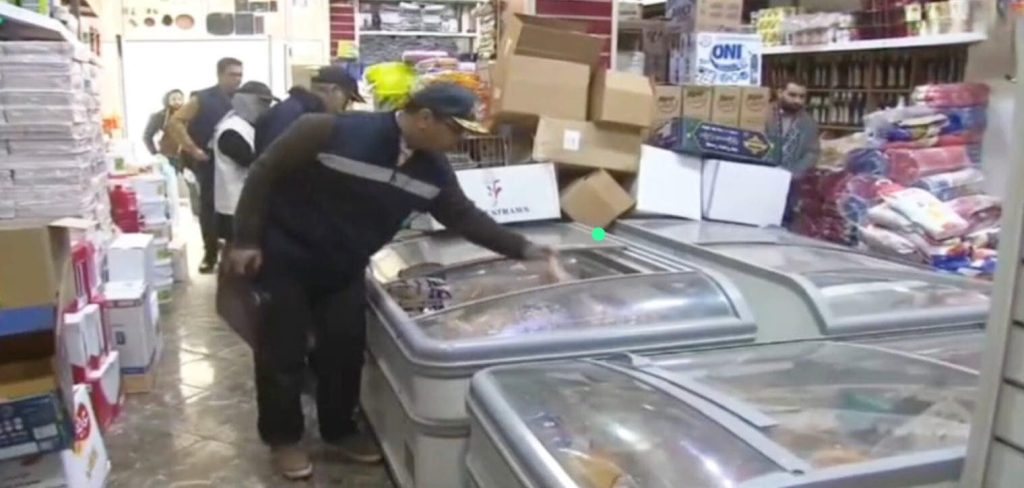
With the approaching of the holy month of Ramadan, the prefecture of Oujda-Angad is witnessing a wide mobilization of various mixed inspection committees, which have intensified their field tours in markets and production units. These proactive operations aim to monitor the supply situation, monitor the quality of consumer products, and protect the purchasing power of citizens from any illegal practices.
Local authorities have adopted an intensive program that extends throughout the year, but it takes on a special character before the holy month due to the increase in demand. The field teams are working on inspecting commercial stores and public markets to ensure that products comply with health standards; verifying the display of prices and combating all forms of monopolization, fraud and unjustified increases; Sensitizing traders to the need to abide by the laws in force to ensure consumer safety.
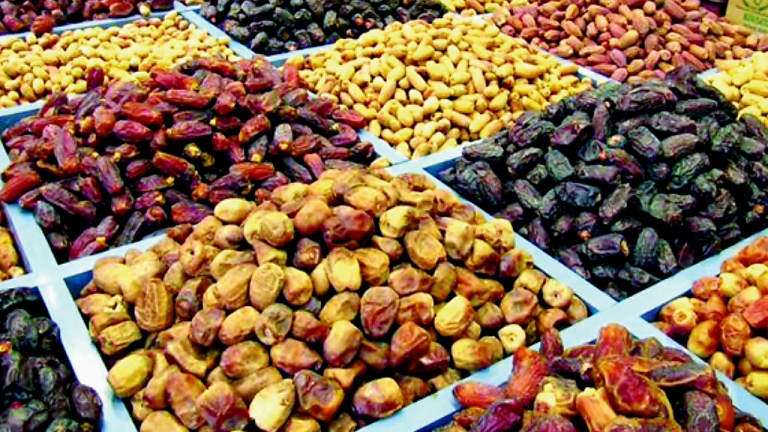
Official sources supervising the economic sector confirmed that the markets are witnessing a large abundance of basic materials that are in high demand in Ramadan, such as dates, oils, milk derivatives, and others. This abundant supply will contribute to price stability and provide multiple options for citizens who have expressed their satisfaction with these regulatory measures, which give them greater confidence in the quality of what they buy.
The inspection operations were not limited to retail trade only, but extended to include industrial units and production cooperatives, especially those operating in the milk and its derivatives sector. The monitoring process in these units is carried out through two tracks:
– External monitoring: through health safety committees that monitor storage and manufacturing conditions and the refrigeration chain.
– Self-monitoring: where production units adhere to strict standards starting from receiving raw materials to the final product, to ensure the arrival of safe and healthy materials to the Moroccan breakfast table.
These moves come to confirm that maintaining health safety and securing supply remain at the top of the priorities of the regional authorities, to ensure that the holy month passes in the best conditions and with the least amount of violations.