Mohammed Manfalouti – HIBAPRESS
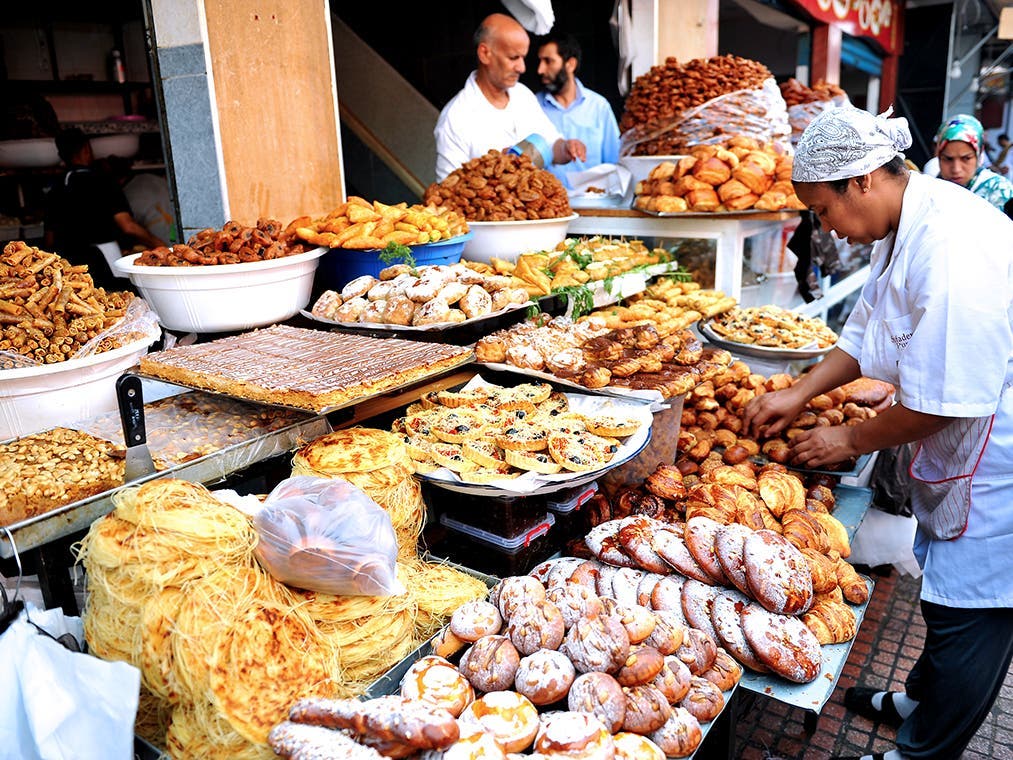
Most Moroccan families and the logic of "the eye is big" – no one can do without the pleasures of Ramadan iftar meals, "everyone according to their means", but in the end, it is a spiritual atmosphere with family warmth, preceded by a fever of competition, crowding and congestion at the doors of commercial stores and in the streets and alleys to purchase necessities in large quantities that one may sometimes not need. You see women, the pillars and columns of homes, the makers of delicacies, their tongues never ceasing from the logic of "bring onions, peppers, don't forget the mint and tomatoes, look at the spices, don't forget the sweets, do not forget the fruits and juices… chickpeas and lentils too…. And the list is long…." As if it were a state of emergency, or on a date with the complete closure of stores and commercial markets, and among the folds of this congestion and crowding, other creatures emerge who find an opportune opportunity in the matter, either to pass expired or expired materials, or they follow other methods related to monopoly and speculation, and with this, prices rise.
Excuse me, ladies and gentlemen, for the month of Ramadan is the month of the Quran, prayer, and charity, and it is an opportunity, according to the opinion of science and medicine, to maintain the health of the body while reducing eating and drinking to cleanse the body's systems of impurities and the remnants of previous foods and their deposits of excess salts and sugars…
As soon as Ramadan ends, one enters another maze to provide the Eid sacrifice, and between this and that, a human creature creeps in who is accustomed to appearing a few days before Eid, to hang the necks of the people along with the rest of the sharks from his own kind, disturbing the atmosphere of Eid, and greatly affecting the prices of sacrifices in a well-crafted manner that extorts the exhibitors through it to force them to sell their offerings under the penalty of selling at auction.
• Setting the Pace of Prices in Ramadan: A Reality That Questions the Government
Political analyst and university professor "Omar Sharqawi" says that the government today, in what remains of its term, faces a test unlike any other tests; the issue here is not related to macro-economic indicators or to the achievements that have been achieved in the rates of growth, deficit, and inflation, but to the citizen's basket and his religious and social rituals that cannot be divided in two.
Sharqawi says: Today we are facing two pivotal challenges: controlling the pace of prices in the month of Ramadan, and managing the chaos of the sacrifice market on the occasion of "Eid al-Kabir".
And if the economic rule says that abundance leads to a decrease in prices, the Moroccan market often breaks this rule, because of the large number of intermediaries, speculators and sharks, where the product sometimes passes through 3 to 5 intermediaries before reaching the consumer, which raises the price by a percentage that may reach 300% of its original price in the farm or the sea.
Sharqawi added that the government's announcement that supply exceeds demand may turn into mere "sound vibrations" if the rope remains on the intermediaries (the sharks) who have an awesome ability to store goods and control their flow to raise prices.
For the citizen, Ramadan is not a month of austerity, and Eid al-Adha is not just "meat", it is two consumption identities, social rights, customs and traditions, and he = expects the authorities to be a "firm judge" and not a "spectator" watching in silence how the "sharks" devour the savings of simple families.
As for Eid al-Adha and after the experience of canceling the slaughter or the difficulties that families faced last year, necks are stretched towards the sacrifice market, so it is not permissible to turn this ritual into an opportunity for "unlawful enrichment" at the expense of the pockets of the middle and poor classes.
Therefore, it is no longer enough for the government to boast of filling the markets with goods, the task today (says Sharqawi) is the engineering of distribution, and this requires, in his opinion:
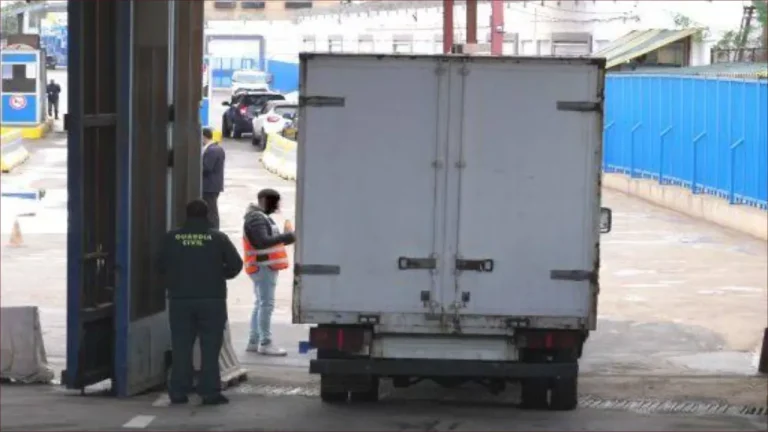
• Activating strict control of the control committees, not only in the major markets, but also in the wholesale markets and crossing points.
• Cutting off the root of the sharks and speculators, as the government is required to develop mechanisms that reduce the excessive intervention of intermediaries who exploit the "artificial greed" to raise prices.
Sharqawi concluded his post by saying: "The discussion about the prices of tomatoes or the Eid ram may seem "secondary" in political salons, but in reality, it is a devastating political weapon, whoever controls the stability of the markets in these moments wins the trust of the street, and whoever leaves it to the wind opens the door to an explosive public debate that may blow away other governmental gains, so the government today is faced with two choices: either prove its ability to control and connect in the field, or turn into a false witness to a massacre of the livelihood committed by the sharks and speculators."