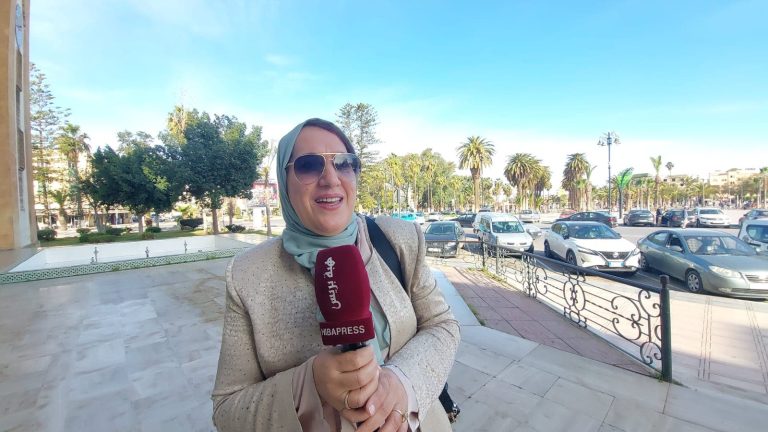
HIBAPRESS – Ahmed Sabbar
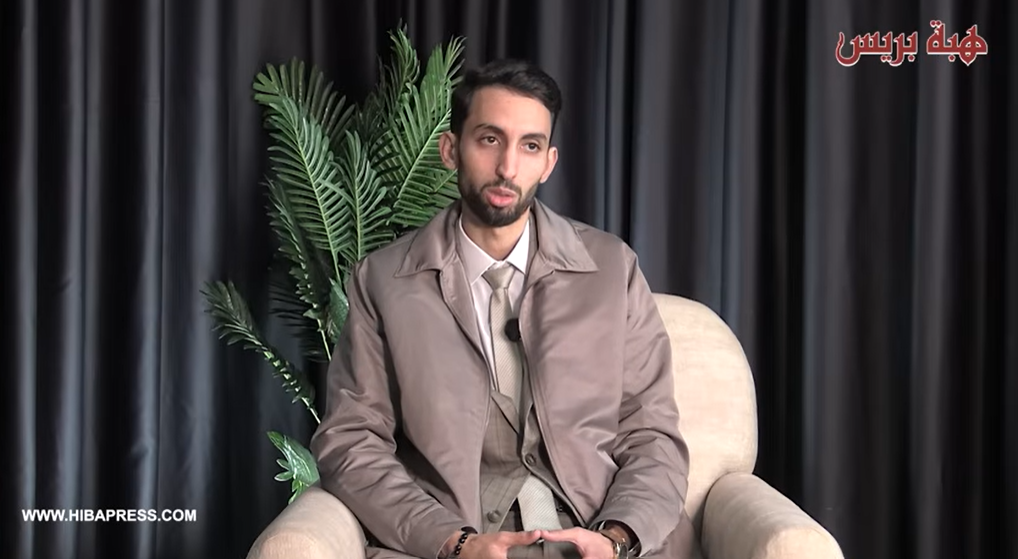
In the context of the renewed public debate about the place of youth in political life, Saad Asrif, a member of the executive office of the youth organization of the Authenticity and Modernity Party, confirms that the real bet today is not only in raising slogans of youth empowerment, but in translating them into public policies, legislation and partisan practices that restore confidence to an entire generation looking forward to leadership and responsible roles.
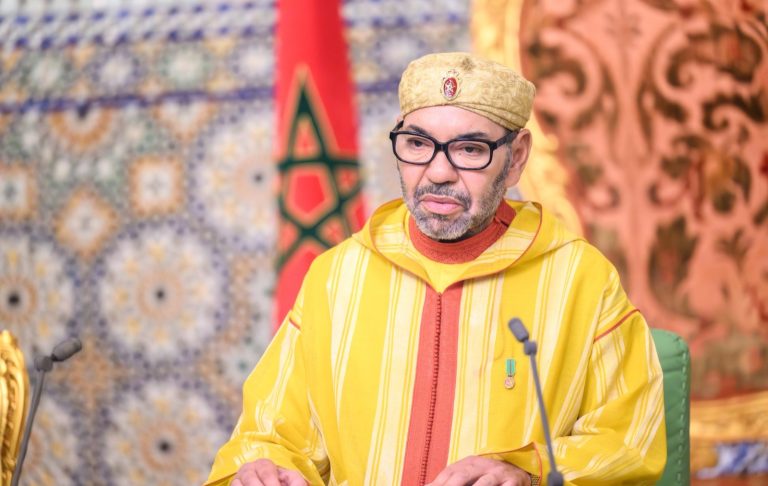
Asrif believes that the official discourse in Morocco has witnessed, in recent years, a remarkable development in recognizing the importance of youth as a key partner in democratic building, recalling the place that youth occupy in the royal directives of Mohammed VI, where the need to empower them economically, socially and politically was repeatedly emphasized.
However, the speaker, to HIBAPRESS, stresses that the strength of the discourse lies in its ability to translate into tangible results, by opening the field to young competencies to assume responsibility within elected institutions, parties and administration, far from the seasonal approach or circumstantial employment.
Asrif acknowledges that the percentage of youth participation in electoral entitlements is still below ambition, both in terms of voting and candidacy, considering that the responsibility is shared between several actors. Political parties are required to renew their elites and establish a real internal democracy that allows for circulation and equal opportunities, and the school and university are also called upon to promote education on citizenship. On the other hand, the media bears part of the responsibility in presenting a negative image sometimes of political work, which deepens the trust gap.
The same speaker confirms to HIBAPRESS that holding the youth alone responsible for the reluctance is a simplistic simplification, because the problem is structural and is linked to the weakness of political mediation and the absence of effective channels for framing and follow-up.
Speaking about electoral laws, Asrif points out that the inclusion of mechanisms that enable youth to access elected institutions, whether through special lists or legal incentives, was a positive step, but he considers it insufficient if it is not accompanied by a real political will within the parties to give youth advanced positions in the lists, adding that the discussion about developing the electoral system should take into account the element of spatial and representational justice, so that the presence of youth does not remain formal or symbolic, but effective and influential in decision-making.
In light of the digital transformation, Saad acknowledges that the virtual space has become a basic arena for public debate, and he also believes that digital politics is not an alternative to field work, but a complementary tool for it. Social media has enabled youth to express themselves freely and organize initiatives, but it does not replace engagement in institutions and parties, warning against falling into the illusion of virtual struggle that is content with digital interaction without translating that into organized civil or political action, stressing that real influence passes through the combination of digital presence and direct framing work.
Asrif concludes his speech to HIBAPRESS with a series of practical proposals to restore trust between youth and politics, including:
– Renewing the political discourse to be close to the realistic concerns of youth, especially employment, education and social justice.
– Strengthening internal democracy within parties and establishing transparent mechanisms for selecting candidates.
– Investing in political training and continuous framing for youth.
– Linking responsibility to accountability within elected institutions.
– Supporting independent youth initiatives and involving them in the development of public policies.
He confirms that the future of democracy in Morocco depends on the extent to which political actors are able to absorb the energies of youth, not as an electoral number, but as a full partner in shaping public decisions and creating the desired transformation.
The remaining details are on the attached link:
https://youtu.be/3jjnqj39uaY?si=sOpg2bHvvKT9eQNr